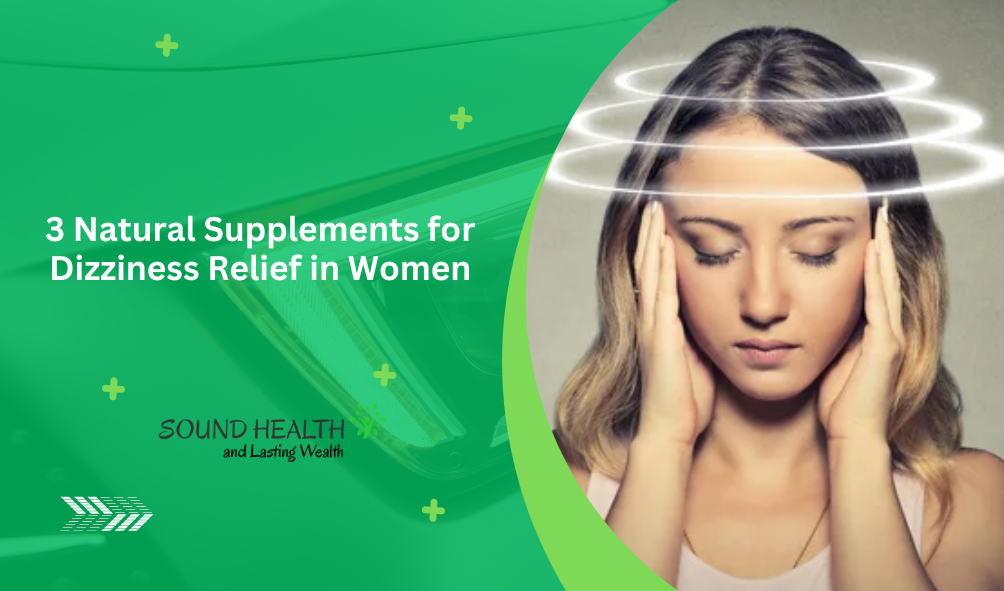

Dizziness is a common yet often misunderstood condition that leaves many women feeling unsteady, disoriented, or even fearful of daily activities. For those who struggle with frequent episodes, finding reliable solutions can be life-changing. This article covers the science behind dizziness, the role of natural supplements, and three well-researched options that may help women regain their balance and confidence.

What Exactly Is Dizziness?
Dizziness refers to a range of sensations, including lightheadedness, vertigo (a spinning feeling), or a sense of imbalance. According to Jon Stewart Hao Dy, MD, FPNA, a board-certified neurologist with expertise in neuroimmunology, neuromuscular diseases, and neuroarts, dizziness is not a disease itself but a symptom of underlying health issues. Dr. Sparacino says other common causes of dizziness and vertigo include:
- Inner ear balance problems, like vestibular neuritis or labyrinthitis (inner ear inflammation), Ménière’s disease (an inner-ear fluid pressure disorder) and vestibular migraine (migraine that affects balance)
- Heart and blood pressure problems, including low blood pressure, orthostatic hypotension, heart rhythm issues and anemia
- Neurological problems such as stroke or TIA symptoms (a stroke-like episode) and peripheral neuropathy (nerve damage in the legs or feet that affects balance)
- Metabolic or nutrition-related issues, including low blood sugar, dehydration, electrolyte imbalances, vitamin B12 deficiency or iron deficiency
- Medications or substances, including certain blood pressure meds, sedatives, antidepressants and alcohol
- Anxiety or panic, which can trigger dizziness and off-balance sensations
“Because the list is so broad, I always emphasize: New, severe or persistent dizziness deserves a medical evaluation—especially if there are red flags like chest pain, shortness of breath, sudden trouble speaking, weakness or vision changes,” says Dr. Sparacino. In women, hormonal changes, especially during menopause, can also contribute to dizziness episodes.
What Causes Dizziness?
Dizziness can stem from a variety of causes, ranging from benign positional vertigo (BPPV) to more serious neurological or cardiovascular issues. Dr. Dy explains that common triggers include dehydration, low blood sugar, medication side effects, and inner ear problems. Nutritional deficiencies – especially in vitamins D and B12—are also frequent culprits. In some cases, poor circulation or stress can exacerbate symptoms. Identifying the root cause is essential for effective treatment.
When Supplements Can Help with Dizziness
Supplements may offer relief when dizziness is linked to nutritional deficiencies or mild circulatory issues. For example, studies show that women with low vitamin D or B12 levels are more likely to experience balance problems and vertigo. Ginkgo biloba has been studied for its ability to improve blood flow to the brain and inner ear, which can help reduce dizziness in those with age-related or circulation-related symptoms. However, supplements are not a substitute for medical evaluation, and anyone experiencing persistent or severe dizziness should consult a healthcare provider.
3 Natural Supplements for Dizziness

Vitamin D
Vitamin D plays a critical role in bone health, immune function, and inflammation control. Research indicates that low vitamin D levels are associated with a higher risk of vertigo, particularly in women with BPPV. One large study found that women who took vitamin D and calcium supplements had a 24% lower risk of recurrent vertigo compared to those who did not. Typical doses range from 400 IU to 1000 IU daily, but it’s best to get tested before starting supplementation.
Vitamin B12
Vitamin B12 is essential for nerve health, red blood cell production, and energy metabolism. Deficiency in B12 can lead to anemia and nerve damage, both of which may cause dizziness and balance issues. Women who follow vegetarian or vegan diets, or those with digestive issues, are especially at risk. Supplementing with B12, especially in the form of methylcobalamin, can help alleviate symptoms and restore energy.
Ginkgo Biloba
Ginkgo biloba is an herbal supplement derived from the leaves of the ginkgo tree. It is known for improving circulation, particularly to the brain and inner ear. Clinical studies suggest that ginkgo biloba may reduce dizziness and vertigo, especially in older adults or those with circulation-related balance problems. Typical doses range from 120 to 240 mg per day, taken in divided doses.
The Bottom Line on Taking Supplements for Dizziness
While vitamin D, vitamin B12, and ginkgo biloba have shown promise for reducing dizziness in certain cases, results can vary. Supplements are most effective when dizziness is related to nutrient deficiencies or mild circulatory issues. For persistent or severe symptoms, a thorough medical evaluation is crucial. Always consult with a healthcare provider before starting any new supplement, especially if you have underlying health conditions or take other medications.
Also Read | Why Women Over 50 Feel Nauseous in the Morning? 5 Symptoms Not To Overlooked