5 Factors That Can Cause Varicose Veins – Most cases of Varicose veins are painless, but it can sometimes cause complications that require immediate medical care.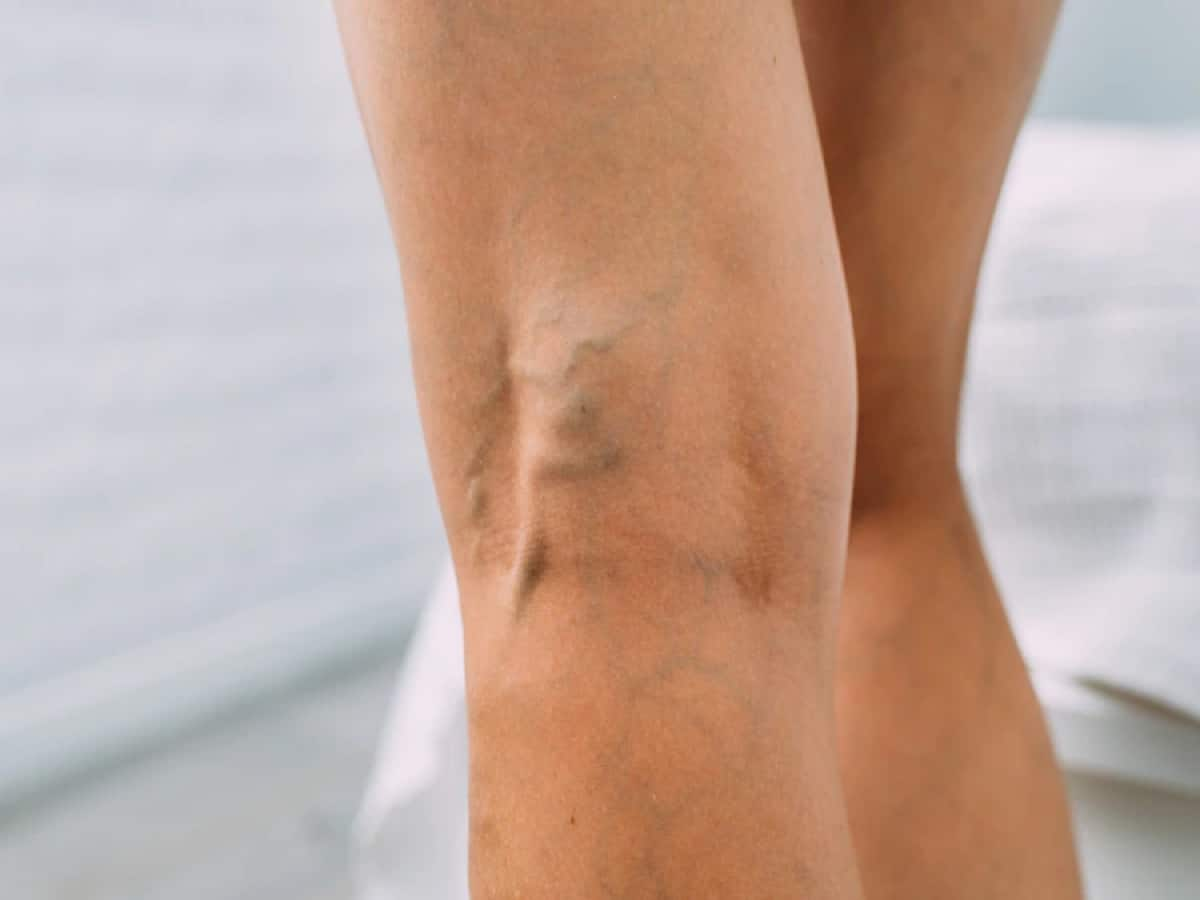
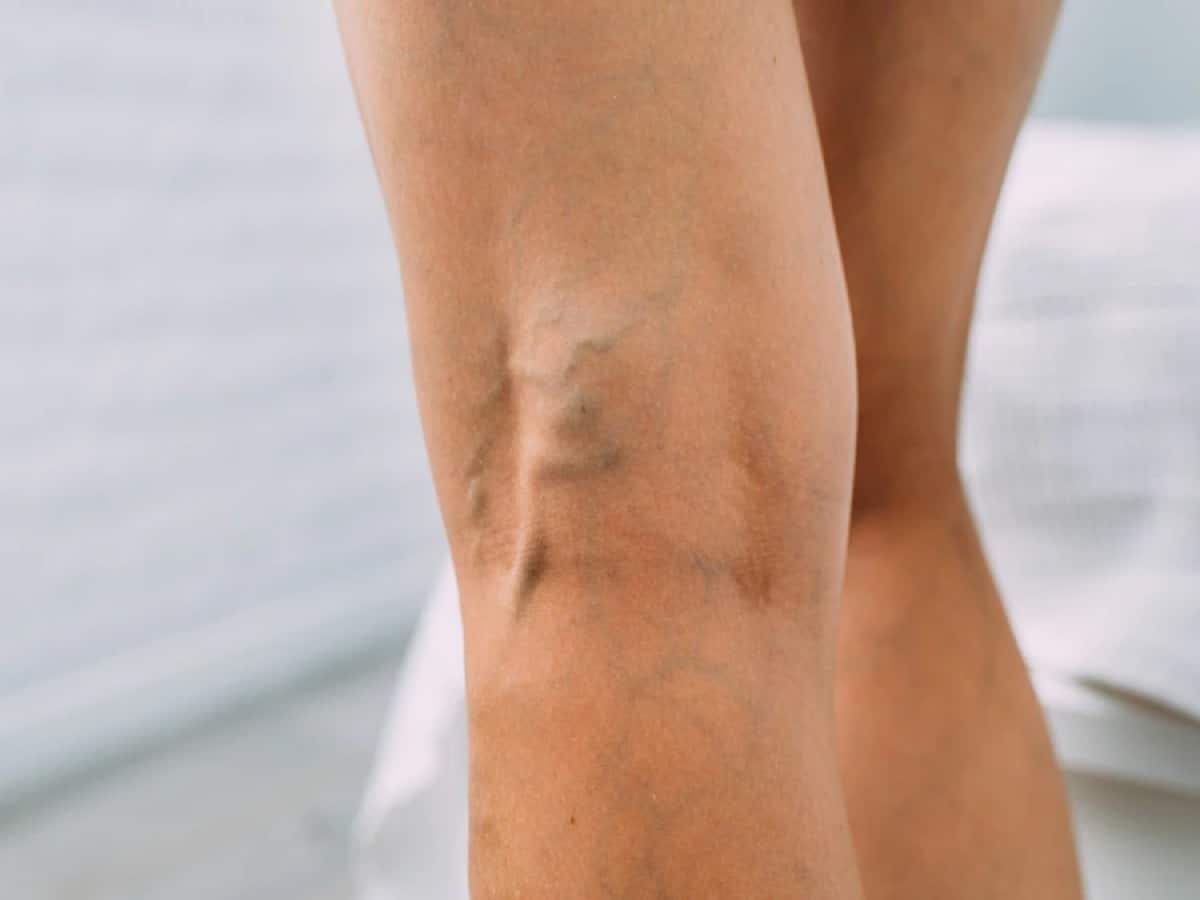
The varicose vein is a common condition experienced by 25 per cent of adults. It is caused when the veins are enlarged, dilated, and overfilled with blood, causing the veins to twist. People suffering from varicose vein condition will have visible veins on the lower body, specifically the legs, with the veins standing out in red, blue, or purple colour. The symptoms of varicose veins are mostly painless, but in certain cases, it can be achy, heavy feeling in the legs, burning sensation, swelling, and pain when sitting or standing for a long time. The spider veins are closer to the skin’s surface and can also be found on the face.
How Varicose Veins Form
Dr. Chandra Sekhar Chevuturu, MBBS: DNB, FEVS (Austria) M.Ch (Edin), Apollo Spectra Hospital, Hyderabad, explained, “The varicose vein is the sign of a weakened or damaged vein. Veins are responsible for pumping the blood back to the heart, going against gravity. Veins have tiny valves that open up, push the blood towards the heart, and close to prevent the blood from flowing back. But, when the vein valve is weak or damaged, it fails to close after pumping the blood, causing it to flow backward and pool. This pooling and overfilling of the veins cause them to stretch or twist.”
Causes Of Varicose Veins
Below, Dr. Chevuturu has provided five factors that weaken the vein and cause Varicose Vein condition:
Age
This is one of the major causes of the condition. Aging causes the veins’ natural wear and tear, causing them to weaken. It also causes the stretching of the veins leading to the condition.
Gender
A person’s gender is also a determinant factor in the possibility of having Varicose veins. Women are more prone to having the varicose vein than men. This has to do with the changing hormones during menstruation that also causes the veins to stretch. Pregnant women are more likely to have this condition as the blood flow increases during pregnancy, causing stretching of the veins. Menopause also causes the condition.
Hereditary
Varicose veins can also be transmitted through the genes. If one has a family history of varicose veins, they are more likely to have or develop the varicose condition.
Obesity
Being overweight or obese can also lead to varicose vein conditions. The extra weight adds extra pressure on the vein causing it to either weaken or get twisted.
Body Movement
People standing or sitting in the same place and position for an extended period are at a higher risk of developing varicose veins. The static posture disturbs the blood flow causing a block in the veins.
Complications Of Varicose Veins
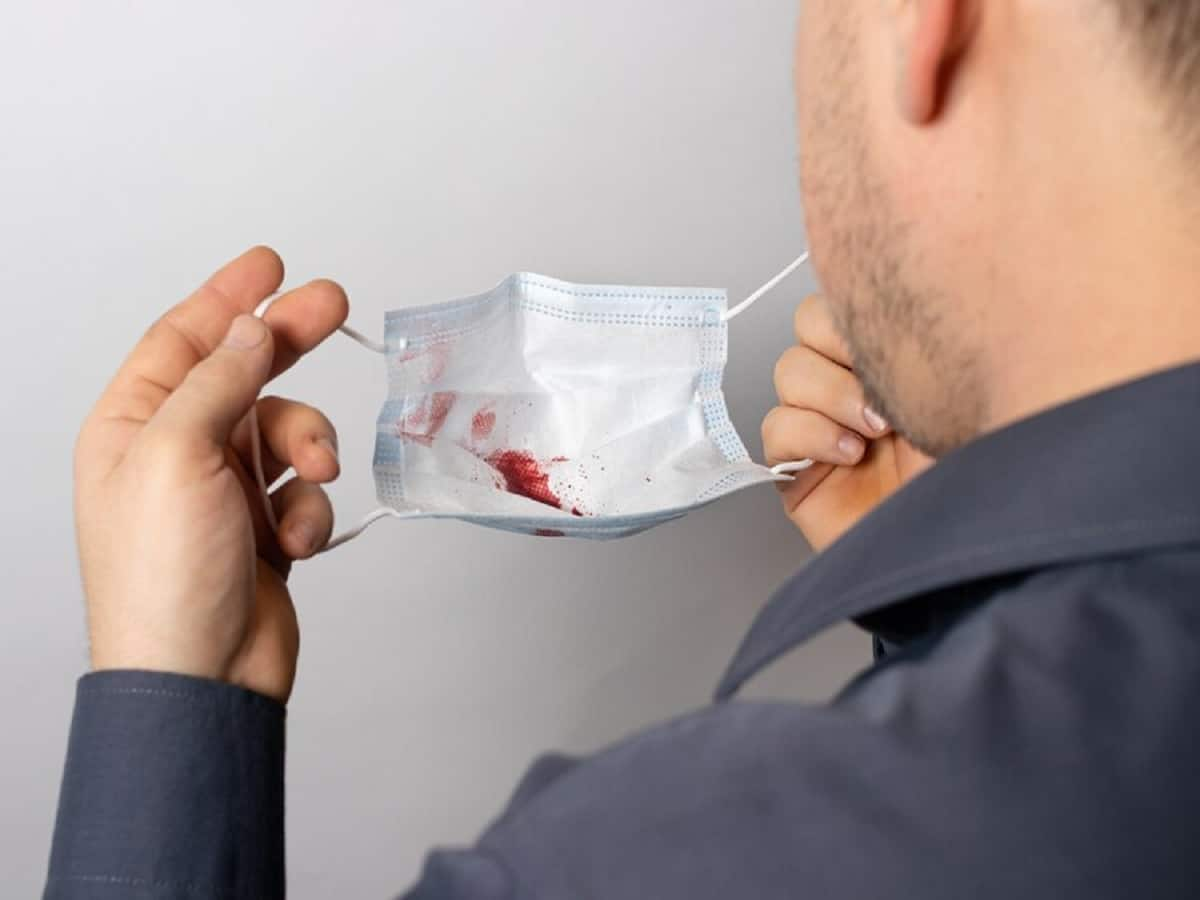
Although most cases of Varicose veins are painless, it can sometimes cause rare complications like ulcers near the veins, blood clots, and bleeding in the veins due to the veins bursting. Such complications require immediate medical care. Activities like active movements of the legs, a high fiber diet, exercise to improve blood circulation, and watching one’s weight can help prevent the varicose vein condition.
Also Read: 6 Facts About Heart Disease You Must Know