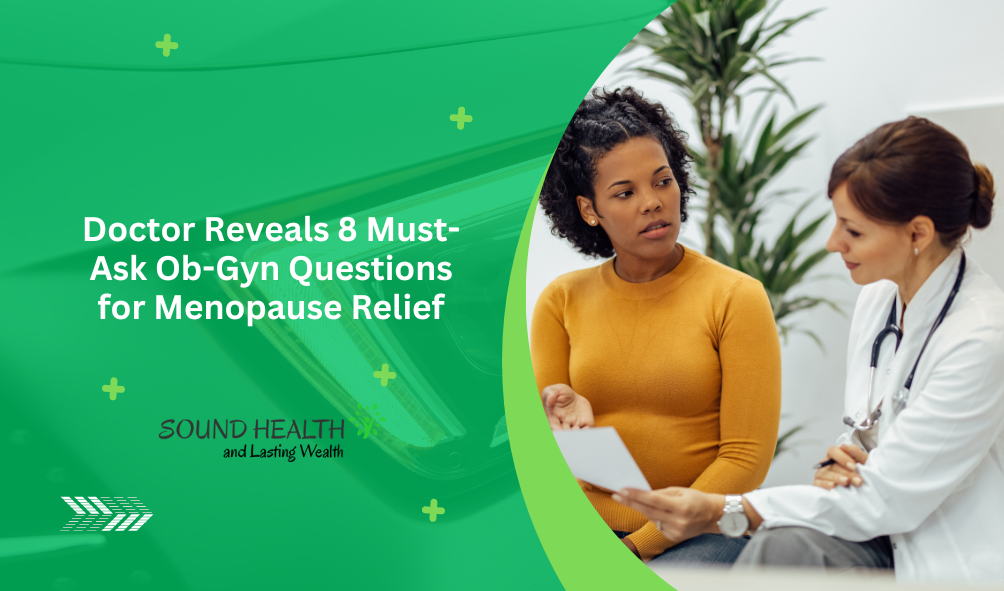
8 Must-Ask Ob-Gyn Questions for Menopause Relief – In the rush of a 15-minute appointment, your Ob-Gyn might skip vital discussions amid charting symptoms and scheduling tests. This leaves many women wondering about menopause transitions, pelvic health, and preventive care – issues affecting over 60 % U.S. women in perimenopause alone, per CDC data. Top doctors from the American College of Obstetricians and Gynecologists (ACOG) emphasize proactive questions to reclaim control. These eight, drawn from expert panels, address common oversights like hormone options and symptom validation. Asking them ensures personalized advice, reducing risks like untreated vaginal atrophy, which impacts 50% of postmenopausal women according to a 2023 JAMA study. Picture Sarah, a 48-year-old teacher who finally queried her dryness during a routine check, unlocking relief she never knew existed. As we’ll unpack each, you’ll gain tools to make visits count, fostering trust and better outcomes.

Is Hormone Therapy Right for Me? Expert Advice on Personalized Risks and Benefits
Hormone therapy sparks debate, yet for many, it transforms quality of life during menopause. Leading Ob-Gyns like Dr. Stephanie Faubion of the North American Menopause Society recommend assessing it case-by-case, weighing hot flashes, bone density, and heart health. This treatment, involving estrogen or combined hormones, cuts vasomotor symptom severity by 75-90% in trials from the Women’s Health Initiative follow-up. However, risks rise for those over 60 or with clotting histories – smokers face tripled stroke odds, per NIH stats.
Consider Lisa, 52, who dismissed night sweats until her doctor ran a full risk profile, including mammogram reviews and family history. That led to low-dose patches, easing her insomnia without complications. Your practitioner might probe lifestyle factors first, like diet or exercise, before prescribing. Always reference this option early; as one ACOG guideline notes, untreated symptoms double depression risk. Schedule bloodwork if cardiovascular concerns linger, ensuring therapy aligns with your profile.
Fertility fades after 40, but pregnancy risks persist – 1 in 100 women over 45 conceive unexpectedly, says a 2024 Fertility and Sterility report. Top doctors urge non-hormonal options like IUDs or barriers until menopause confirmation via 12 months amenorrhea. This concern often gets sidelined, yet it protects against ectopic pregnancies, six times more common in older moms per ACOG. Hormonal pills may suit some, but blood clot risks climb with age and smoking.
Take Maria, 43, who skipped contraception assuming “it’s over,” only to face a scare, her Ob-Gyn switched her to a copper IUD seamlessly. Discuss tubal ligation if family planning ends, or condoms for STI prevention amid rising midlife cases (up 20% per CDC). As this shifts focus next, remember: natural contraception fails 25% of the time post-40. Clarify your cycle patterns upfront for tailored picks.
Do I Need an Annual Pelvic Exam? Separating Routine Checks from Evidence-Based Screening
Annual pelvic exams feel routine, yet guidelines evolved – USPSTF deems them unnecessary for low-risk women under 65 if Pap smears stay current. Experts like Dr. Haywood Brown, former ACOG president, stress discussing your history instead of defaulting yearly. This saves time while catching issues like ovarian cysts via symptoms, not speculums alone. Stats show over-screening yields false positives in 5-10% of cases, per a 2022 Lancet review, sparking needless anxiety.
One patient, Emily, 38, questioned her yearly ritual after nulliparity; her doctor pivoted to biennial Paps plus HPV testing, aligning with evidence. Reference symptoms like bloating if concerned – ultrasound trumps routine exams there. As we’ll see in pelvic recommendations ahead, personalization rules. Bring vaccination status for HPV too, cutting cancer odds by 90%.
Do I Need to Wait for My Yearly Visit for Menopause Symptoms? Timely Relief Strategies
Menopause symptoms demand prompt attention – why endure until annual checkups when telehealth bridges gaps? Ob-Gyns from Mayo Clinic advise same-week slots for severe hot flashes or mood dips, affecting 80% of women according to a 2025 NEJM study. This approach prevents escalation, like insomnia fueling weight gain. Over-the-counter aids like black cohosh offer interim relief, backed by modest NIH trial reductions in frequency.
Recall Jenna, 49, whose flashes disrupted work; a quick virtual consult yielded SSRI trials, stabilizing her before the full exam. Virtual platforms now handle 30% of gyno visits per AMA data, with prescriptions mailed. Tie this to dryness next—don’t delay. Track symptoms via apps for data-driven talks, empowering faster fixes.
Pelvic exam protocols vary, but blind compliance isn’t mandatory – experts champion shared decision-making. ACOG’s Dr. Christopher Zahn notes declining certain tests, like unneeded ultrasounds, if risks outweigh gains for asymptomatic patients. Colposcopy post-abnormal Pap? Weigh biopsy anxiety against 95% HPV clearance rates naturally. This empowers you amid 40% overtreatment stats from a JAMA Oncology analysis.
Think of Rachel, 41, who opted out of endometrial biopsy after normal bleeding resolved – her doctor concurred, avoiding side effects. List priorities beforehand; reference family risks for BRCA testing. As vaginal concerns arise next, voice preferences clearly. Evidence shows informed choices boost adherence by 25%.
Should I Cancel My Gyno Visit During My Period? Timing Tips for Optimal Exams
Heavy flow prompts cancellations, yet most Ob-Gyns say proceed – pads facilitate visuals, per ACOG protocols. Exceptions? Profuse bleeding signaling fibroids, present in 70% of women by 50 (NIH). Thin tampons aid speculum use, minimizing mess without compromising accuracy.
Anecdotally, patient Tara, 35, powered through her cycle for a timely STI screen, catching chlamydia early. Rescheduling delays care; 20% of infections go undetected otherwise, per CDC. Prep with ibuprofen for cramps. Link this to sex pain ahead—heavy periods often correlate.
Is My Vaginal Dryness Normal? Recognizing and Treating Atrophy Early
Vaginal dryness plagues 45% of perimenopausal women, per a 2024 Menopause journal survey, stemming from estrogen dips thinning tissues. It’s normal yet treatable—not “just aging.” Ob-Gyns prescribe moisturizers like hyaluronic acid or ospemifene, restoring pH and elasticity in 80% of users.
Like countless others, 51-year-old Kim normalized her discomfort until querying it, laser therapy followed, revitalizing intimacy. Over-the-counter options hydrate daily; avoid douches worsening imbalance. Statistics underscore urgency: untreated cases triple infection risks. Transitioning to pain, this symptom often precedes dyspareunia.
Is Painful Sex Normal? Decoding Dyspareunia and Pathways to Pleasure
Painful sex isn’t inevitable – dyspareunia hits 30% postmenopause, linked to atrophy or vestibulodynia, says ISSWSH experts. Normalize discussion; pelvic floor therapy eases 75% of cases via biofeedback, outperforming meds alone.
Patient anecdote: 47-year-old Nina’s tears during visits yielded dilators and counseling, reigniting spark after years. Rule out endometriosis, affecting 10% lifetime. Lube alone fails 50% long-term; seek multimodal plans.
Start with lubrication: Silicone-based for longevity.
Advance to therapy: Kegels strengthen, but pros tailor.
Consider meds: Estrogen rings soothe locally.
What to Do If Your Ob-Gyn Dismisses Your Symptoms: Advocating for Better Care
Dismissal frustrates – 12% of women switch providers yearly over it, per a 2023 Patient Safety study. Top doctors advise documenting symptoms, seeking second opinions, or referencing ACOG tools. If hot flashes get brushed off, request labs like FSH levels confirming menopause.
One woman, after repeated ignores, consulted a specialist, and endometriosis surgery transformed her life. Use patient portals for records. Stats show validated concerns cut complications 40%. Prioritize empathetic providers; your voice matters.
Also Read | Stop Yeast Infections Now: Best Lube, Probiotics & Cotton Swap Tips