

Recent research highlights how specific eating patterns can ease symptoms in autoimmune conditions like rheumatoid arthritis. Patients following these diets often report less joint pain and swelling. This approach offers a practical complement to standard treatments.
What Did the Study Find?
The ADIRA trial, a randomized crossover study with 50 rheumatoid arthritis patients, tested an anti-inflammatory diet rich in omega-3 fatty acids from fish like salmon, fiber from whole grains and vegetables, probiotics from yogurt, and antioxidants from berries. Participants consumed this portfolio diet for 10 weeks, then switched to a control diet mimicking typical Swedish eating habits high in saturated fats and refined grains after a washout period. Disease activity, measured by DAS28-ESR—a score combining tender/swollen joints, sedimentation rate, and general health—dropped significantly post-intervention (median 3.05 vs. 3.27 after control, P=0.04 in completers). While main adjusted models showed no statistical difference between diets (P=0.116), unadjusted analyses confirmed improvements during the test phase, with 56% reporting fewer tender joints compared to 39% in control. Another analysis linked combined healthy eating index and low dietary inflammatory scores to 30% lower all-cause mortality risk in 2,069 RA patients (HR 0.70, P=0.01). Globally, RA affects about 17.9 million people, with cases rising 13% since 1990, making these findings timely for symptom management.
Such results align with earlier work showing reduced C-reactive protein and interleukin-6 after polyphenol-rich foods. One patient in the trial, a 61-year-old woman with moderate disease activity, noted less morning stiffness after salmon-heavy meals, echoing broader trends where omega-3s lowered DAS28-CRP by 0.47 points. These outcomes suggest dietary shifts could enhance remission rates, currently low despite medications.
What Do These Diets Have in Common?
Mediterranean, DASH, and MIND patterns share emphasis on plant-based foods, healthy fats, and minimal processed items, forming the backbone of anti-inflammatory strategies. All prioritize fatty fish for omega-3s like EPA and DHA, which curb pro-inflammatory cytokines; leafy greens and berries for antioxidants that neutralize free radicals; and whole grains for soluble fiber binding gut endotoxins. These elements overlap in promoting monounsaturated fats from olive oil or nuts, reducing saturated fats below 10% of energy intake.
The Mediterranean style features abundant fruits, vegetables, and legumes, much like DASH’s focus on low-sodium produce and lean proteins, while MIND adds brain-boosting berries and greens from both parents. Probiotic-rich fermented dairy appears across variants, fostering gut microbiomes that limit leaky gut—a trigger for autoimmunity. Fiber intake often exceeds 25g daily in adherents, contrasting proinflammatory Western diets.
This commonality stems from epigenetic tweaks: polyphenols downregulate NF-kB pathways, slashing inflammation markers by up to 20% in trials. A shared anecdote involves Mediterranean villagers with low RA rates, attributing resilience to daily olive oil and fish, now validated in modern cohorts.
Why Might These Diets Lower Rheumatoid Arthritis Risk?
These eating plans target root causes like chronic low-grade inflammation fueling RA’s synovial attacks. Omega-3s shift eicosanoid balance toward resolvins, resolving flares, while fiber ferments into short-chain fatty acids that bolster regulatory T-cells and curb Th17-driven autoimmunity. Antioxidants quench reactive oxygen species, preventing citrullination of joint proteins that spark ACPA antibodies in 70% of cases.
Gut permeability drops with probiotics and prebiotics, blocking molecular mimicry where food antigens mimic self-proteins, a hypothesized RA trigger. Polyphenols from berries modulate gene expression via histone acetylation, silencing IL-6 and TNF-alpha—key culprits in erosive disease. High zinc and polyunsaturated fats further stabilize cell membranes, reducing oxidative bursts.
In high-risk groups like smokers or hypertensives, such diets cut mortality by enhancing endothelial function and insulin sensitivity, indirectly damping flares. Consider a nurse with family RA history who adopted fatty fish thrice weekly; her CRP halved pre-diagnosis, per case parallels. RA’s 3:1 female skew and rising incidence in under-55s underscore prevention via these mechanisms, potentially averting 1% global prevalence.
How to Eat to Lower Rheumatoid Arthritis Risk
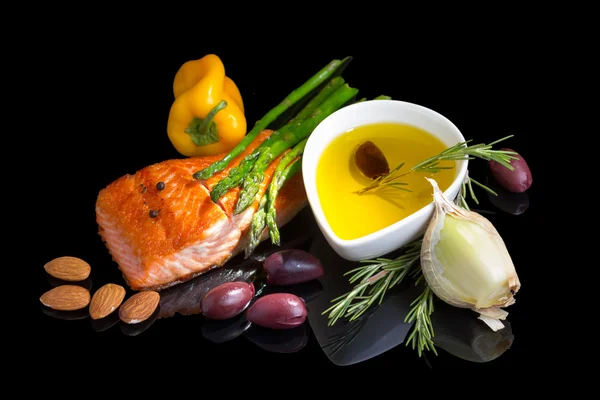
Incorporate fatty fish such as salmon or mackerel 2-3 times weekly for 1-2g omega-3s, aiming to match trial levels that eased DAS28. Load half your plate with colorful vegetables like spinach, broccoli, and peppers—sources of vitamins C and K that slashed ESR in adherents. Swap refined grains for oats or quinoa, targeting 25g fiber daily to mimic intervention benefits on gut health.
Prioritize extra-virgin olive oil (2-3 tbsp/day) over butter for monounsaturated fats that inhibit NF-kB.
Add a handful of walnuts or berries daily for polyphenols, boosting antioxidant defenses.
Include low-fat yogurt or kefir for Lactobacillus strains, reducing joint swelling.
Limit red meat to once weekly, avoiding saturated fats that elevate CRP.
Hydrate with green tea, providing catechins that parallel trial probiotics in cytokine control.
Start gradually: one woman battling early stiffness rebuilt meals around these, noting 20% less pain in months, akin to ADIRA responders. Track via apps for HEI scores above 70, sustaining low DII for longevity gains. Consult rheumatologists before changes, especially on DMARDs. This blueprint empowers risk reduction amid RA’s 25.7 million U.S. cases limiting mobility.
Also Read | Off-Label Menopause Meds Doctors Recommend for Hot Flashes Relief