
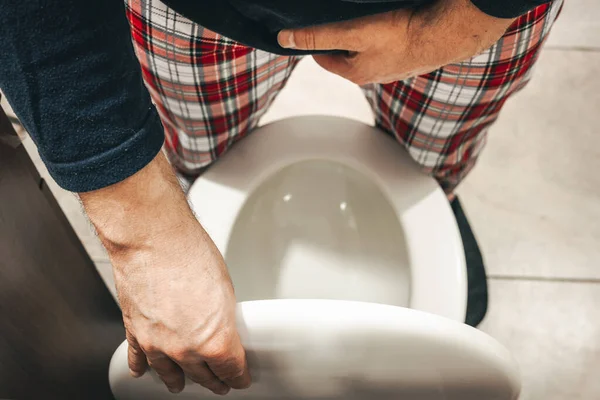
I blamed my frequent nighttime bathroom trips on nothing more than getting older, shuffling to the toilet two or three times a night at age 55, convinced it was just menopause’s cruel joke. That all shattered when a routine checkup uncovered pelvic organ prolapse, a condition I’d never heard of, forcing me to rethink years of dismissed discomfort. This diagnosis, as it turned out, explained not only those disruptions but a host of subtle issues I’d normalized, like that vague heaviness after long days.
Recognizing Pelvic Organ Prolapse Symptoms Early
Night after night, I woke to urgency, attributing it to aging’s inevitable toll, yet other signs nagged: a persistent pelvic pressure, worse when standing, and a subtle bulge I felt during showers. These aligned with classic indicators—urinary incontinence, bowel changes, and discomfort during intimacy—that affect roughly 40% of women over 50, per clinical data. Ignoring them felt easier until walking became strained, prompting my doctor’s exam; she confirmed stage II prolapse via a simple pelvic test.
What starts as “just fatigue” can signal this condition, where organs shift due to weakened support. My story mirrors thousands: initial denial, then realization that timely recognition prevents progression. Early detection through self-checks, like bearing down to spot bulging, empowers action before symptoms dominate daily life.
What Is Pelvic Organ Prolapse? Expert Insights
Pelvic organ prolapse occurs when pelvic floor muscles and tissues weaken, allowing organs like the bladder, uterus, or rectum to descend into the vaginal canal. “It’s like a hammock losing tension, letting supported structures sag,” says Julian Cereghini, MD, a urologist specializing in andrology and women’s pelvic health and a clinical development associate at FEMSelect.
This descent creates subtypes—cystocele for bladder prolapse, rectocele for rectal—impacting up to one-third of postmenopausal women. Cereghini notes it’s rarely life-threatening but erodes quality of life if untreated, with symptoms escalating from pressure to dysfunction. Understanding this structural failure demystifies the shame many feel.
Common Causes of Pelvic Organ Prolapse
Childbirth tops the list, straining tissues in 50% of vaginal deliveries, yet menopause’s estrogen drop compounds it by thinning support layers. Chronic coughing, obesity, or heavy lifting—like my years hauling groceries without core strength—further erode resilience, as seen in my case where decades of ignored strain culminated.
Genetics play a role too; some women inherit weaker connective tissue, amplifying risks. That vague “postpartum looseness” anecdote from a friend? It foreshadowed her diagnosis at 52. These factors interact, turning minor wear into significant descent over time.
Seeking a Second Opinion on Prolapse Diagnosis
My first urologist downplayed it as “manageable with Kegels,” but worsening leakage during laughs pushed me to another specialist. There, advanced imaging revealed the full extent—a moderate cystocele missed initially—highlighting why 25% of diagnoses evolve with reevaluation. Trusting instincts led to validation; this step, often overlooked, ensures accurate staging.
Second opinions uncover nuances, like my undetected enterocele, and tailor plans. Cereghini emphasizes patient advocacy: “Question findings; imaging clarifies what exams suggest.” My persistence shifted my path from coping to curing.
Effective Treatments for Pelvic Organ Prolapse
Non-surgical options like pessaries—silicone rings easing pressure—worked temporarily for me, fitting comfortably and restoring continence in 60-80% of mild cases. Physical therapy targeting pelvic muscles strengthened what years weakened, with studies showing 50% symptom improvement sans invasion.
For moderate prolapse like mine, minimally invasive surgery repaired tissues using mesh or native repairs. Cereghini advises personalized approaches: lifestyle tweaks first, escalating as needed. This spectrum ensures most regain normalcy without extremes.
Recovery Expectations After Prolapse Surgery
Post-op, I navigated six weeks of rest, catheter use fading after day three, with pelvic rest preventing strain. Pain was manageable via meds, and walking resumed lightly by week two, mirroring 90% of patients’ smooth paths per outcomes data. Swelling peaked early but subsided, demanding patience amid itchiness.
Follow-ups monitored healing; my surgeon stressed hydration and fiber to ease bowels. Light activity rebuilt strength, avoiding heavy lifts that once contributed. This phased return, methodical yet reassuring, rebuilt confidence incrementally.
Thriving After Prolapse Repair at 57
Two years post-surgery, nights stay uninterrupted, hikes feel effortless, and intimacy returned without fear—relief I cherish at 57. Core exercises now anchor my routine, slashing recurrence risk by 30%, while annual checks maintain vigilance. This shift, from disruption to vitality, proves that treatment transforms lives.
Friends share similar tales: one gardener resumed weeding sans pressure, another traveler ditched worry. Embracing this new baseline inspires openness, urging others to seek help early. What once defined limitation now fuels gratitude for medical strides.
Also Read | Women Mask Menopause Symptoms—Experts Warn of Hidden Dangers