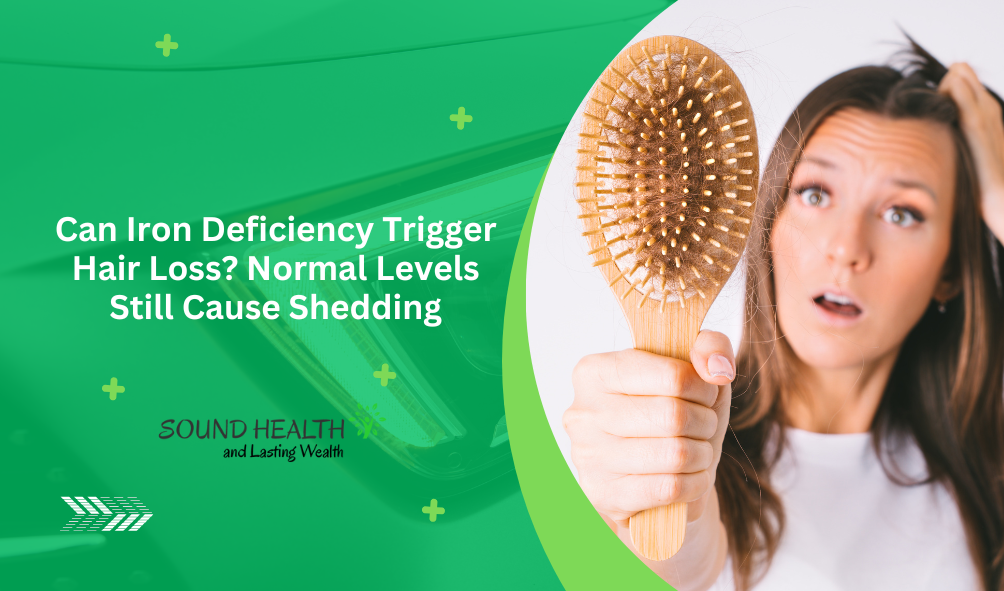

Iron deficiency often triggers hair shedding through telogen effluvium, where follicles enter a resting phase prematurely. Even ferritin levels deemed normal by standard labs, like 15-30 ng/mL, fall short for hair health, pushing more strands into shedding as the body prioritizes vital functions. Women face higher risks due to menstruation and pregnancy, with studies showing 21-59% prevalence of low ferritin in non-scarring alopecia cases.
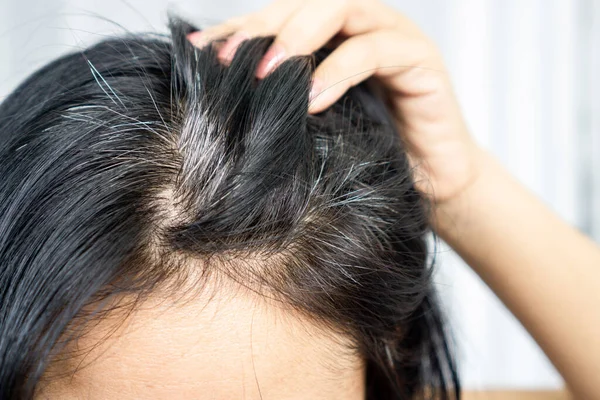
Iron’s Vital Role in Hair Follicles
Hair follicles rely on iron for oxygen delivery and DNA synthesis during the anagen growth phase, which lasts years for scalp hairs. When stores dwindle, measured by ferritin, the body redirects iron from these “non-essential” sites to organs like the heart and brain. This shift, called telogen effluvium, synchronizes 10-15% or more follicles into resting, causing diffuse thinning noticeable after 2-3 months.
That process explains why shedding ramps up before anemia shows. A woman in her 30s, juggling heavy periods and a vegan diet, might brush out clumps daily yet test “normal” on hemoglobin—ferritin below 40 ng/mL reveals the culprit. Dermatologists target 70-100 ng/mL for optimal regrowth, as levels under 30 ng/mL strongly correlate with loss.
Why ‘Normal’ Ferritin Still Sparks Shedding
Standard lab ranges overlook hair needs; ferritin under 50 ng/mL often stalls growth despite adequate serum iron. One meta-analysis found women with alopecia averaged 18 ng/mL lower ferritin than controls, with 40-50% dipping below 30 ng/mL. This subclinical deficiency hits premenopausal women hardest, as blood loss depletes reserves faster than intake replenishes.
Consider Sarah, who dismissed fatigue as stress until ponytail thickness halved—her ferritin at 28 ng/mL prompted supplements, halting loss in weeks. Such anecdotes underscore testing ferritin specifically, not just hemoglobin, for accurate diagnosis.
Up to 25% of alopecia patients in primary care show iron deficiency, rising to 27.9% in women when systematically checked. In non-scarring cases, low ferritin prevalence reaches 59% using strict thresholds, far exceeding general female rates of 32-47%. Telogen effluvium links to ferritin drops in 44% of trichograms from affected groups.
These figures highlight underdiagnosis; one pilot detected 123 cases via routine ferritin adds, all reversible with intervention.
Diagnosing and Reversing Iron-Triggered Shedding
Blood tests confirm ferritin alongside full iron panels; doctors prescribe ferrous sulfate, aiming for every-other-day dosing to boost absorption. Pair with vitamin C-rich foods like citrus to enhance uptake, avoiding tea that blocks it. Shedding slows in 4-8 weeks, regrowth in 4-6 months, full density by 9-12.
Monitor via retests; IV iron suits non-responders. Beyond supplements, spinach, lentils, and lean meats sustain levels long-term.
The Link Between Butt Shape and Health
Gluteus maximus contours signal metabolic shifts, with MRI studies of 61,300 scans linking forms to diabetes and frailty. This muscle’s profile changes with age, sitting habits, and disease, offering clues beyond BMI. Researchers note shape trumps size in predicting risks.
Why Butt Shape Matters for Wellness
Sedentary lifestyles thin glutes, fostering frailty; vigorous activity preserves fuller shapes tied to grip strength. In type 2 diabetes, men show shrinkage, women fat-infiltrated enlargement—distinct responses hinting at sex-specific biology. Osteoporosis alters contours too, emphasizing muscle as a health barometer.
A desk-bound professional might notice flattening, correlating with higher sitting time and metabolic woes, per UK Biobank data.
What Your Butt Shape Predicts for Women’s Health
Heart-shaped or round glutes store fat peripherally, lowering heart disease odds via efficient sugar metabolism and cholesterol control. V- or square types concentrate abdominal fat, elevating diabetes and cardiovascular risks through cortisol spikes. Frail women show localized glute shrinkage, less widespread than men’s.
Heart/inverted heart: Omega-3 rich, brain-protective but aging shifts fat centrally.
Round/circle: Optimal insulin sensitivity, reduced diabetes.
V-shaped: Stomach-first gains heighten metabolic strain.
Diabetes studies confirm enlarged, fatty glutes in women signal infiltration, not strength.
The Bottom Line on the Shape of Your Bottom
Butt shape forecasts frailty, diabetes, and vitality—monitor via fitness, not scales. Women benefit from targeted glute exercises to counter sedentary thinning and fat shifts. Early changes prompt checks for metabolic health, blending aesthetics with prevention.
Also Read | Doctor Reveals 8 Must-Ask Ob-Gyn Questions for Menopause Relief