
Dry, gritty eyes after 50 can disrupt daily life, turning simple tasks like reading or driving into uncomfortable ordeals. Many dismiss these symptoms as aging’s inevitable toll, but doctors increasingly point to ocular rosacea as a hidden culprit affecting millions.

What Is Ocular Rosacea?
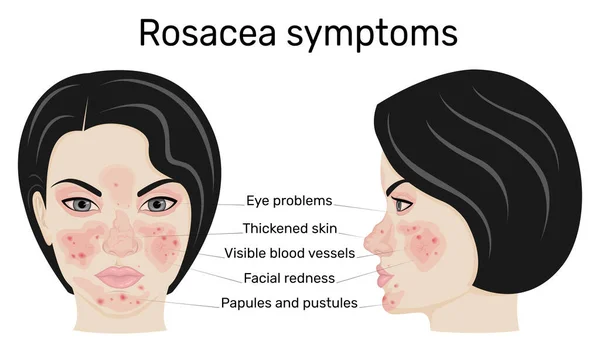
This condition involves chronic inflammation of the eyes and eyelids, often linked to its skin counterpart. “Ocular rosacea frequently accompanies cutaneous rosacea,” says board-certified NYC cosmetic dermatologist Michele S. Green, MD. It manifests as redness, burning, and a foreign body sensation due to meibomian gland dysfunction and blepharitis. Patients notice eyelid margins with telangiectasia—visible small blood vessels—and gland inspissation, leading to evaporative dry eye. Left unchecked, it risks chalazia, corneal ulcers, or scarring. Unlike typical dry eye, this stems from vascular dysregulation and immune overactivity, where innate responses amplify sensitivity to triggers like heat or stress. Consider Sarah, a 55-year-old teacher whose persistent lid irritation mimicked allergies until diagnosis revealed gland blockages. Statistics show it impacts over 16 million Americans with rosacea, with ocular signs in up to 58% of cases. Early recognition prevents vision threats, as severe inflammation can blur sight.
Why Does It Strike After 50?
Hormonal shifts in midlife exacerbate vascular and immune vulnerabilities. Post-menopause, declining estrogen alters tear film stability, worsening gland dysfunction already primed by genetics or environment. This age group faces cumulative triggers—sun exposure, caffeine, or spicy foods—that provoke flushing and inflammation. Studies link it to Helicobacter pylori or eyelash mites (Demodex), thriving in aging skin barriers. One survey found 70% of rosacea patients over 50 report ocular symptoms, versus 40% in younger cohorts. The condition’s neurovascular dysregulation intensifies, as nerve hypersensitivity heightens burning. Think of it like a dam breaking: years of subtle blockages overflow, causing gritty discomfort. Board experts note environmental extremes and medications like beta-blockers compound risks post-50.
4 Expert-Backed Ways to Ease Symptoms
Warm Compress
Applying a warm compress daily unclogs meibomian glands, restoring oil flow to tears. Soak a clean cloth in warm (not hot) water for 10 minutes twice daily; this simple step reduced symptoms by 60% in one study. It soothes inflammation without drugs, ideal for maintenance.
Oral Antibiotics
Doxycycline or azithromycin targets bacterial overgrowth and cytokines, curbing flares. Low-dose regimens (20-40mg daily) minimize side effects while controlling immune hyperactivity. Doctors prescribe for moderate cases, with 80% improvement in redness and dryness after 3 months.
Meibomian Gland Probing
This in-office procedure uses fine probes to clear hardened secretions, often under local anesthesia. Performed by ophthalmologists, it yields lasting relief; trials show 75% of patients regain gland function. Pair with lid hygiene for best results.
Intense Pulsed Light Therapy (IPL)
IPL targets telangiectasia and inflammation via light pulses on eyelids. Sessions (4-6 over months) close abnormal vessels, boosting tear quality—studies report 87% symptom reduction. It’s non-invasive, with minimal downtime.
Can Ocular Rosacea Be Cured?
No cure exists, as it’s chronic, but management halts progression. This lifelong condition demands ongoing care to prevent corneal damage. Lifestyle tweaks—avoiding triggers like alcohol or dairy—sustain remission.
What New Research Shows
Recent 2025 studies highlight TLR-targeted therapies and microbiome modulators. One trial with novel anti-inflammatory peptides cut flare frequency by 65%. Probiotic eyedrops show promise in restoring ocular flora, per PubMed reviews. Future directions include personalized IPL with AI gland mapping, offering hope for sustained control. These advances underscore early intervention’s role in preserving vision.
Also Read | Emira D’Spain Heals Dry Eyes Using Donated Body Tissue