A stroke strikes suddenly, disrupting blood flow to the brain and potentially altering life forever, especially after age 50 when risks climb. This guide outlines proven paths to recovery, drawing on medical consensus for those seeking full restoration.

What Is a Stroke?
This sudden event happens when blood supply to part of the brain halts or a vessel bursts, starving cells of oxygen and causing them to die within minutes. Brain functions like movement, speech, or memory suffer depending on the damaged area. Globally, strokes claim millions yearly, ranking as the second-leading cause of death and a top disability source. In those over 50, incidence rises sharply; projections show UK cases among people 45+ increasing from 117,600 in 2015 to 148,700 by 2025. Survivors often face lasting challenges, but timely action boosts outcomes. Consider Margaret, a 62-year-old teacher who noticed arm weakness during breakfast—that fleeting sign led her to the hospital in time. Such stories highlight why awareness saves brains.
Ischemic vs. Hemorrhagic Strokes
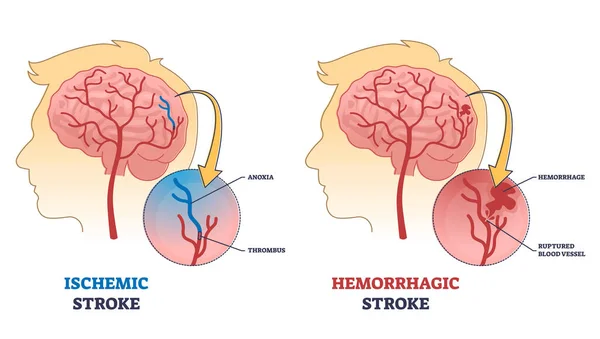
These two main types differ in cause and frequency, guiding urgent care choices.
Ischemic Stroke
Clots block vessels, accounting for 85% of cases; thrombi form locally or emboli travel from elsewhere. Plaque buildup narrows arteries, inviting fatty deposits to obstruct flow. This type demands clot-busters if caught early. Patients like John, 55, regained speech after dissolving his clot swiftly.
Hemorrhagic Stroke
Vessels rupture, leaking blood that pressures surrounding tissue; high blood pressure or aneurysms trigger 15% of strokes. The bleed swells the brain, worsening damage fast. Surgery may staunch it, unlike clot scenarios. Both demand speed, as delays kill neurons irreversibly.
The ‘Big 3’ Risk Factors for Stroke
Hypertension tops the list, fueling 55.5% of stroke-related disability-adjusted life years worldwide. It weakens vessels, inviting bursts or clots. Smoking doubles odds, amplifying clot formation and vessel narrowing—pair it with diabetes, and risk triples. Diabetes harms vessels via high sugar, promoting plaque. After 50, these converge: uncontrolled pressure, lit cigarettes, and elevated glucose claim countless. Stats show smokers with hypertension face steeper cardiovascular threats. Managing them slashes recurrence; one study found quitting plus glycemic control vital in China, where smoking hits 28% and diabetes 11.6%. Simple checks prevent the catastrophe.
Emergency Treatments: Why Time Is Your Most Valuable Asset
Minutes count—brain cells perish every second without oxygen. For ischemic events, tPA dissolves clots within 3-4.5 hours, salvaging tissue; beyond that, risks like brain bleeds rise. Hemorrhagic cases need pressure control or surgery pronto. Systems prioritize “door-to-needle” speed under 60 minutes. TIAs warn of worse; 10-15% progress to major strokes in 3 months untreated. Call emergency services immediately—delays doom recovery. Research extended windows via imaging, but urgency reigns. Act like Margaret did; her quick response preserved her teaching career.
How to Heal From a Stroke: The 4 Essential Pillars of Rehabilitation
Rehab rebuilds neural paths through neuroplasticity, with four core therapies driving gains post-50.
Exercise (Physical Therapy)
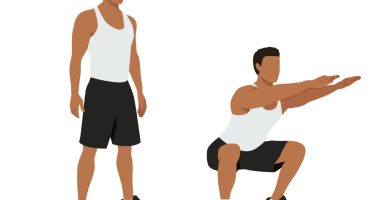
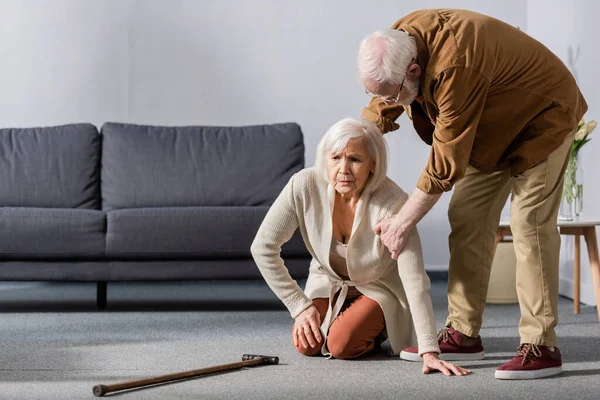
Targeted movements restore strength, balance, and gait; median times hit 6-9 days for walking milestones in cohorts. Therapists customize reps, progressing from sitting to 10-meter walks. Robotic aids boost sessions 40%. Patients over 50 regain independence, cutting falls.
Occupational Therapy (OT)
This retrains daily tasks—dressing, cooking—fostering autonomy. Aids like adaptive tools aid; cognitive drills sharpen focus. One survivor relearned buttoning shirts, resuming hobbies.
Speech-Language Pathology
Addresses aphasia or dysphagia via articulation drills and swallowing exercises. Repetition rebuilds pathways; 80% improve communication. Tech like apps accelerates progress.
Mental Health and Pain Management
Depression hits 30% post-stroke; CBT and support counter it, enhancing adherence. Pain meds or mindfulness ease chronic aches. Mental resilience fuels physical wins—group therapy bonds like-minded fighters.
The Bottom Line on Life After a Stroke
Full recovery eludes most—under 20% achieve it fully—but 70% regain lost function in 3-6 months with rehab. After 50, persistence yields quality life; incidence climbs, yet managed risks prevent repeats. Survivors thrive via lifestyle tweaks and support. John’s post-rehab marathons prove it: that event redefined, didn’t end, his vitality. Commit to these pillars; brighter days await.
Also Read | Heal Leaky Gut Syndrome in Weeks: 4 Doctor-Approved Strategies