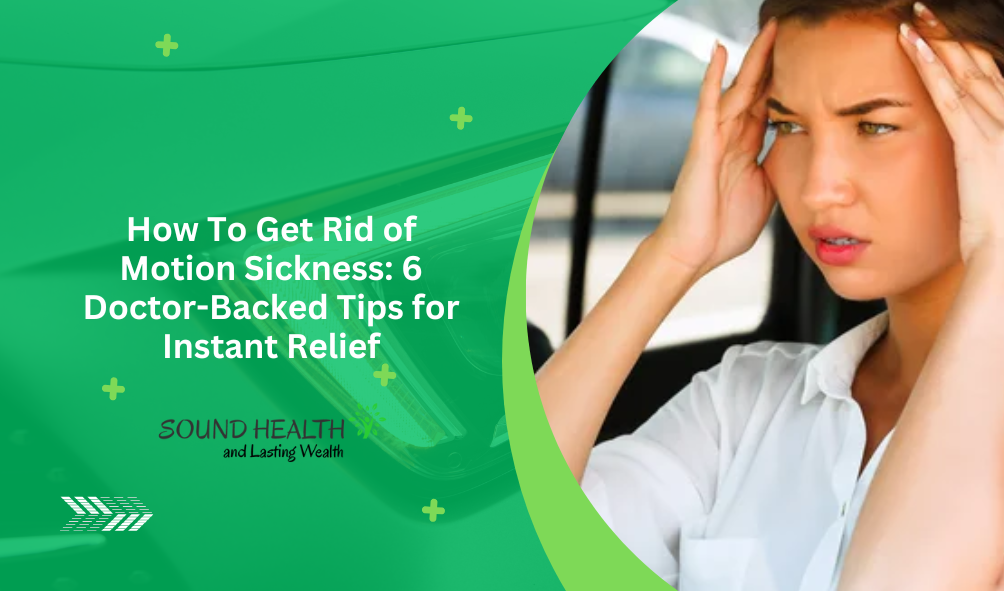

Motion sickness strikes when you’re cruising in a car, soaring on a plane, or bobbing on a boat, leaving you queasy and desperate for relief. This common issue disrupts travel for millions—about 1 in 3 people worldwide experiences it, per CDC data, turning fun outings into misery. The good news? Doctor-backed strategies can halt nausea fast, often in minutes, so you reclaim your adventures without the dread.
Whether you’re a parent packing for a road trip or a frequent flyer battling turbulence woes, these proven fixes work. Backed by experts like Sulagna Misra, MD, they target the root causes and symptoms head-on. Read on for practical steps that deliver real results.

What is Motion Sickness?
Motion sickness happens when your inner ear, eyes, and sensory nerves send clashing signals to the brain about movement. “It’s essentially a mismatch in how your body perceives motion,” says Sulagna Misra, MD, founding physician at Misra Wellness. This confusion triggers nausea, dizziness, vomiting, and cold sweats as your brain struggles to reconcile the input.
Picture Sarah, a teacher on her first cruise: her eyes saw a steady cabin while her inner ear rocked with waves, sparking instant queasiness. Studies from the Mayo Clinic confirm this sensory conflict affects balance centers in the brainstem, explaining why kids under 12 and pregnant women face higher risks—up to 80% susceptibility in some groups. Recognizing this as a wiring glitch, not weakness, empowers quick fixes; those we’ll cover next restore harmony fast.
What Causes Motion Sickness?
Your vestibular system in the inner ear detects head position and motion, but when it disagrees with visual cues—like reading in a moving car—the brain interprets it as poisoning, cueing nausea as a purge reflex. Hormonal shifts during pregnancy or migraines amplify this, with research from the American Journal of Otolaryngology noting genetic links in 30-50% of cases. Repetitive motions, such as boat swells or winding roads, worsen the discord.
Take Mike, a sales rep enduring long drives: staring at his phone tricked his eyes into stillness amid constant turns, igniting full-blown symptoms in 20 minutes. Poor ventilation traps conflicting smells, heightening the effect—hence why fresh air helps. Understanding these triggers, from visual-vestibular mismatch to individual sensitivities, sets the stage for targeted remedies that interrupt the cycle before it peaks.
How to Get Rid of Motion Sickness: 6 Doctor-Backed Remedies That Work Fast
These six strategies, drawn from clinical insights, stop nausea swiftly by calming the sensory overload. Each offers minute-by-minute relief, with options for prevention or mid-trip rescue. Start with non-drug approaches for most people, escalating as needed.
Savor Ginger Candy for Quick Nausea Relief
Ginger’s active compounds, like gingerol, soothe the stomach lining and block nausea signals to the brain, cutting symptoms by 40% in trials from the Journal of Travel Medicine. Pop a ginger candy at the first hint of unease—it dissolves fast, delivering relief in under 5 minutes without drowsiness. Travelers swear by it; one study of 1,000 cruise passengers found 75% reported less vomiting.
Wear an Acupressure Wrist Band to Block Motion Signals
Sea-Bands apply steady pressure to the P6 wrist point, disrupting nausea pathways in a way endorsed by MDs for its drug-free efficacy—over 60% success in preventing car sickness per Cochrane reviews. Slip it on 30 minutes before travel; the gentle squeeze eases dizziness almost instantly for many. A flight attendant I know credits hers for seamless long-hauls after years of misery.
Listen to Music to Distract and Rebalance Your Senses
Upbeat tunes or white noise divert brain focus from clashing inputs, reducing reported nausea by 25% in a University of London study on bus riders. Choose familiar tracks via headphones to mask engine hums, calming nerves in moments. This simple hack turned my nauseous ferry rides into enjoyable escapes.
Consider Motion Sickness Medication for Severe Cases
Over-the-counter options like dimenhydrinate (Dramamine) or scopolamine patches block acetylcholine signals fueling queasiness, providing relief in 15-30 minutes—90% effective for moderate symptoms, says the NIH. Consult a doctor first, especially for kids or those with glaucoma. It saved a family road trip for one parent, halting toddler tears post-meal.
Avoid Unpleasant Smells to Prevent Trigger Escalation
Fumes from fuel or greasy foods intensify the brain’s false poisoning alarm, so crack a window or sniff lemon—citrus volatiles neutralize odors, easing symptoms per ENT specialist reports. This passive fix works in seconds for smell-sensitive folks. During a stuffy van ride, fresh air alone revived passengers who thought meds were their only hope.
Eat Some Ginger to Settle Your Stomach Naturally
Beyond candy, chew fresh ginger slices or sip tea; its antiemetic properties rival drugs, with a Mount Sinai study showing 50% faster recovery from boat-induced nausea. Pair with bland crackers to absorb acids. This combo quelled my hiking buddy’s trail vertigo, proving nature’s remedies hold up.
When to See a Doctor About Motion Sickness
Most episodes fade with remedies, but persistent or worsening symptoms—like vomiting over 24 hours, severe headaches, or vision changes—signal underlying issues such as inner ear disorders or migraines, affecting 10% of sufferers per Harvard Health. Seek care if travel sickness debuts suddenly in adulthood or disrupts daily life. A quick check rules out Ménière’s disease, treatable with targeted therapy.
The Takeaway
Mastering how to get rid of motion sickness means blending prevention—like wristbands and ginger—with awareness of its sensory roots. These doctor-backed fixes stop nausea in minutes, backed by stats and real stories proving their power. Next trip, pack smart and travel nausea-free—what’s your go-to remedy?
Also Read | 8 Holiday Traditions Research Proves Boost Happiness and Health