Knee bursitis is a common yet often misunderstood condition that can cause significant discomfort, especially for women over 40. Understanding its symptoms, risk factors, and effective remedies is key to managing pain and maintaining mobility. This article breaks down what knee bursitis is, the two main types, why women in this age group are particularly vulnerable, and practical steps for relief.
What Is Knee Bursitis?
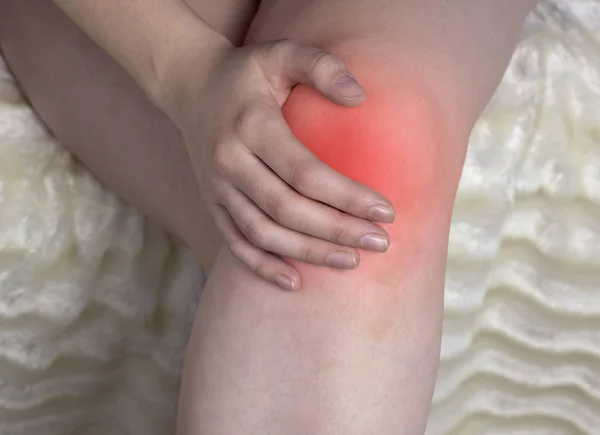
Knee bursitis occurs when the small fluid-filled sacs, called bursae, near the knee joint become inflamed. These bursae cushion the bones, tendons, and muscles, reducing friction and protecting the knee during movement. When irritated or injured, the bursa swells, leading to pain and tenderness. According to Laura Moore, MD, PhD, an orthopedic surgeon at Hospital for Special Surgery (HSS) and Assistant Professor in Orthopedic Surgery at Weill Cornell Medical College, “Knee bursitis is not just a minor ache; it can significantly affect daily activities, especially for women who are more prone to certain risk factors like obesity and diabetes”.
The Two Types of Knee Bursitis
There are two primary types of knee bursitis: prepatellar and pes anserine. Prepatellar bursitis affects the bursa in front of the kneecap and is often seen in people who kneel frequently, such as gardeners or housekeepers. Pes anserine bursitis involves the bursa on the inner side of the knee, just below the joint, and is more common in women over 40, especially those with obesity or osteoarthritis.
Key Symptoms Women Over 40 Should Watch For
Women in this age group should pay close attention to the following symptoms:
Pain and tenderness around the knee, especially when touched or moved
Swelling that may be localized above, below, or beside the kneecap
Warmth and redness in the affected area
Stiffness and limited range of motion
In severe cases, fever or chills if the bursitis is infected (septic bursitis)
If these symptoms persist or worsen, seeking medical advice is important, as untreated bursitis can lead to chronic pain and mobility issues.
Risk Factors for Knee Bursitis in Women
Certain factors increase the risk of knee bursitis in women over 40:
Diabetes: Poor circulation and higher risk of infection make diabetics more susceptible to bursitis complications.
A change in gait: Alterations in walking patterns due to aging, injury, or arthritis can put extra stress on the knee bursae.
Obesity: Excess weight increases pressure on the knee joints, raising the risk of both bursitis and osteoarthritis.
Effective Treatment Options
Several remedies can help relieve knee bursitis symptoms and speed recovery:
Consider knee pads or compression sleeves: These provide cushioning and reduce friction, especially for those who kneel or stand for long periods.
Reduce pain with the right meds: Over-the-counter NSAIDs (like ibuprofen) can help control pain and inflammation. For persistent pain, a doctor may recommend prescription medication or corticosteroid injections.
Treat a limp ASAP: Addressing changes in gait promptly can prevent further knee strain and reduce the risk of recurring bursitis.
Physical therapy is also recommended to restore strength and flexibility, and in rare cases, surgery may be needed for chronic or infected bursitis.
The Bottom Line on Knee Bursitis
Knee bursitis is a manageable condition with the right care. Early recognition of symptoms, especially in women over 40, can prevent complications and improve quality of life. By addressing risk factors, using supportive aids, and seeking timely treatment, most people can expect a full recovery and return to normal activities.