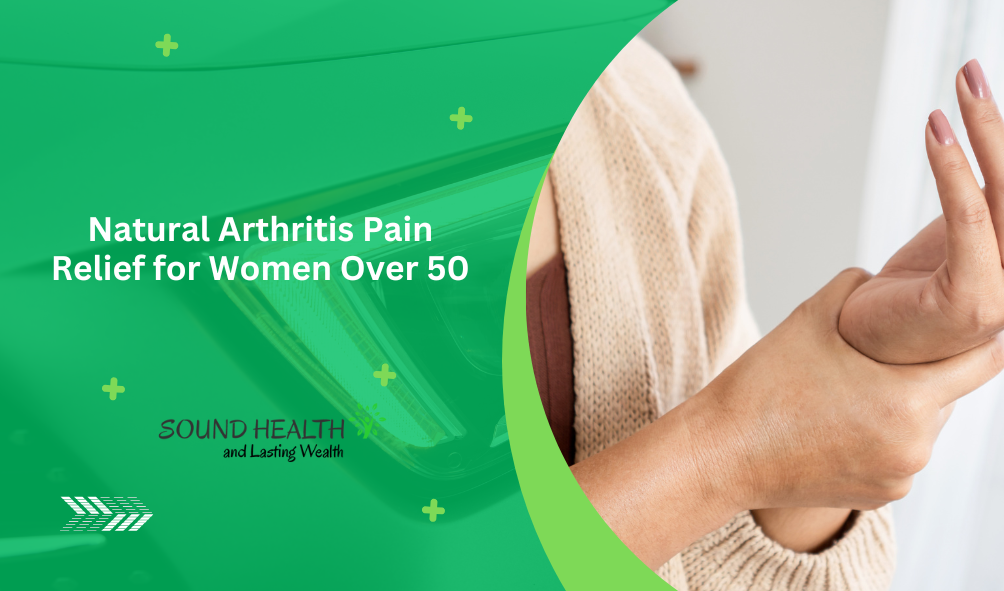

Arthritis pain is a common challenge for women over 50, but relief doesn’t always require prescription drugs. Many have found lasting comfort through simple, natural remedies that fit easily into daily routines. From dietary changes to targeted supplements and practical habits, these strategies are backed by science and real-life experiences. Here’s a look at nine natural ways to ease arthritis pain that women swear by: Serve up salmon, cushion your kitchen, try ginger capsules, sleep like this, warm now, then cool later, consider curcumin, supplement with pineapple powder, rub on pepper, and reach for the “super duo”.

Serve Up Salmon for Joint Support
Salmon is packed with omega-3 fatty acids, which are well-known for their anti-inflammatory properties. Studies show that people who eat fatty fish like salmon regularly experience less joint pain and stiffness. Omega-3s help reduce the production of inflammatory chemicals in the body, which can ease arthritis symptoms over time. For women over 50, including salmon in the diet two or three times a week can make a noticeable difference in joint comfort and mobility.
Cushion Your Kitchen for Less Strain
Simple ergonomic changes at home can minimize arthritis pain. Cushioning kitchen surfaces, using padded utensils, and organizing frequently used items within easy reach can reduce the stress on joints. These small adjustments help women maintain independence and reduce the risk of aggravating pain during daily activities. When the kitchen is set up to support joint health, everyday tasks become less taxing.
Try Ginger Capsules for Inflammation Relief
Ginger is a powerful natural anti-inflammatory. Clinical trials have shown that ginger supplements can reduce arthritis pain and swelling. Women who take ginger capsules regularly often report feeling less stiffness in their joints and improved overall comfort. Ginger works by blocking certain inflammatory pathways, making it a safe and effective option for those seeking drug-free pain relief.
Sleep Like This for Joint Recovery
Sleep quality plays a vital role in managing arthritis pain. Sleeping in a position that supports the spine and joints—such as using pillows to cushion knees or hips—can reduce nighttime discomfort and promote healing. Many women find that adjusting their sleep environment leads to less morning stiffness and more energy throughout the day.
Warm Now, Then Cool Later for Pain Relief
Alternating heat and cold therapy is a proven method for easing arthritis pain. Warm compresses relax tense muscles and increase blood flow, while cold packs reduce swelling and numb pain. Applying heat in the morning and cold in the evening can help women manage flare-ups and maintain joint flexibility.
Consider Curcumin for Lasting Comfort
Curcumin, the active ingredient in turmeric, has strong anti-inflammatory effects. Research shows that curcumin supplements can improve arthritis symptoms and reduce inflammation. Women who use curcumin regularly often notice a decrease in pain and an increase in joint mobility over time.
Supplement With Pineapple Powder for Enzyme Support
Pineapple powder contains bromelain, an enzyme with natural anti-inflammatory properties. Some studies suggest that bromelain supplements may help reduce arthritis pain and swelling. Adding pineapple powder to smoothies or taking it as a supplement can provide extra support for joint health.
Rub On Pepper for Topical Relief
Capsaicin, found in pepper, is used in topical creams to relieve arthritis pain. When applied to the skin, capsaicin blocks pain signals and can provide temporary relief from joint discomfort. Many women find that using pepper-based creams helps them manage pain during daily activities.
Reach for the “Super Duo” for Maximum Relief
The “super duo” often refers to combining curcumin and ginger for enhanced anti-inflammatory effects. This combination is popular among women who want to maximize their natural pain relief efforts. Together, these supplements target multiple pathways of inflammation, offering broader protection for joints.
Also Read | Metabolic Syndrome Symptoms After 50: What to Watch For