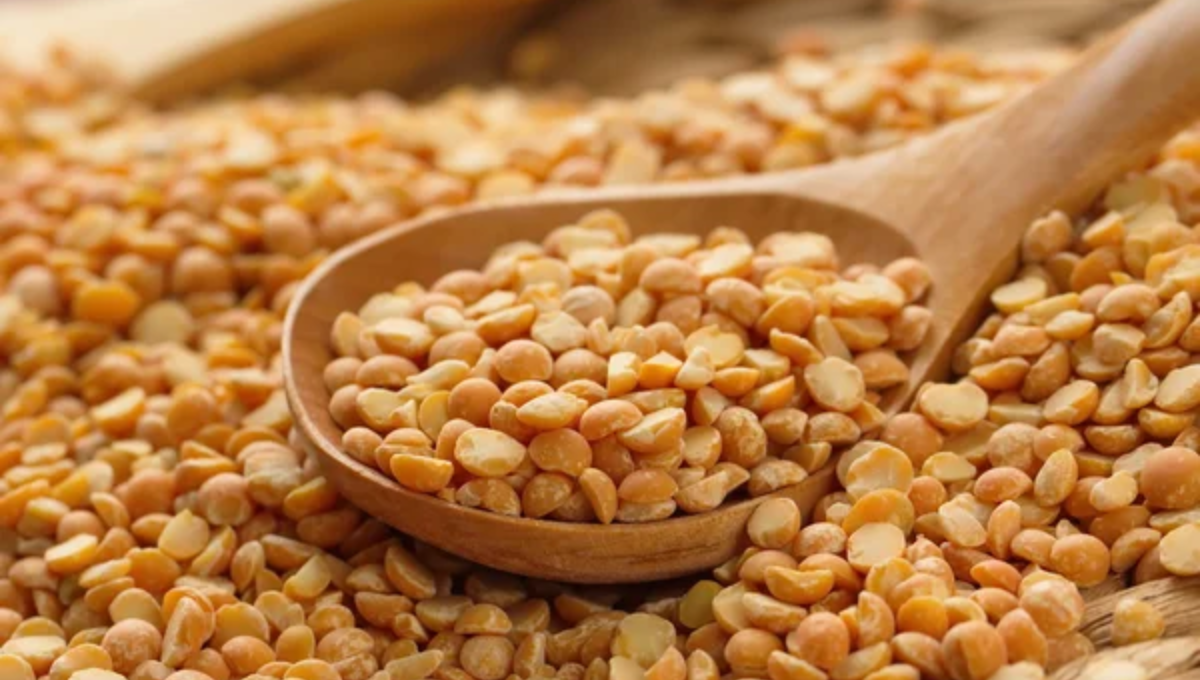
A new study has shown that eating pulses, such as dry peas, lentils, and chickpeas, can significantly improve the nutritional quality of the American diet.
This research adds to the growing body of evidence supporting the myriad benefits of including pulse as a cornerstone of a healthy dietary pattern.
The study’s investigators meticulously modeled the nutritional impact of substituting servings of protein foods and/or refined grains with servings of pulses, while maintaining consistent calorie intake in the Healthy U.S.-Style Dietary Pattern outlined in the 2020-2025 Dietary Guidelines for Americans. Their meticulous analysis revealed a remarkable improvement in the diet’s nutritional profile.
Specifically, the addition of approximately ¼ cup of pulses per day in place of one ounce per day of common protein sources resulted in a notable increase in fiber, a nutrient of concern, by over 10%, while simultaneously decreasing cholesterol by more than 10%. Furthermore, the substitution of ½ cup of pulses daily in place of one ounce of refined grains daily, while maintaining consistent calorie intake, led to a substantial increase in fiber, magnesium, copper, and potassium, another nutrient of concern, by over 10%.
“Our findings strongly suggest that promoting increased pulse consumption could be an effective strategy for enhancing nutrient intake and achieving a healthier dietary pattern,” asserts study author Victor Fulgoni III, PhD, of Nutrition Impact, LLC. “Pulses, comprising dry peas, lentils, chickpeas, and beans, are exceptional sources of fiber, folate, and potassium, and they also serve as valuable sources of plant protein.” The Coalition for the Advancement of Pulses generously funded this groundbreaking research.
The study’s findings align seamlessly with the existing body of peer-reviewed research, which consistently demonstrates that incorporating pulses into a plant-forward dietary strategy imparts cardiovascular, metabolic, and gut protective effects; improves weight outcomes and low-grade inflammation; and may potentially play a role in managing the risk of immune-related diseases.
In recognition of the compelling evidence supporting the consumption of pulses, the American Heart Association and other esteemed public health organizations advocate for increasing the intake of plant-based proteins while reducing the consumption of animal protein to mitigate the risk of heart disease, high blood pressure, and high cholesterol. This research further underscores the fact that pulses are nutritional powerhouses, packed with fiber, plant protein, and a plethora of essential macronutrients.
“We are cognizant of the nutritional prowess of pulses and are actively collaborating with our partners to raise awareness about the remarkable nutritional benefits associated with regular pulse consumption,” emphasizes Tim McGreevy, CEO, USA Dry Pea and Lentil Council and American Pulses Association.
Given their exceptional nutritional value, dietary guidelines worldwide recognize pulses as part of both the vegetable and/or protein food groups or as a distinct food group altogether. The Dietary Guidelines for Americans 2020 – 2025 and the USDA’s Choose My Plate explicitly acknowledge that beans, peas, and lentils can be considered as part of either the vegetable or protein groups.
ALSO READ: High Dietary Insulin Index Linked to Increased Risk of Metabolic Unhealthiness
References:
Fulgoni III, V. L., He, J., Jakait, B., Keast, D. R., & Weaver, C. M. (2023). Nutrient profiling of pulse substitutions for protein foods and refined grains in the Healthy U.S.-Style Dietary Pattern: A modeling study. Nutrients, 15(11), 3788.
Dietary Guidelines for Americans 2020-2025. U.S. Department of Agriculture and U.S. Department of Health and Human Services.
Choose My Plate. U.S. Department of Agriculture.
American Heart Association. (n.d.). Discover the heart-healthy benefits of beans, lentils, and peas.
Coalition for the Advancement of Pulses. (n.d.). About pulses.
Tim McGreevy, CEO, USA Dry Pea and Lentil Council and American Pulses Association. (n.d.). Pulses: A nutritional powerhouse.