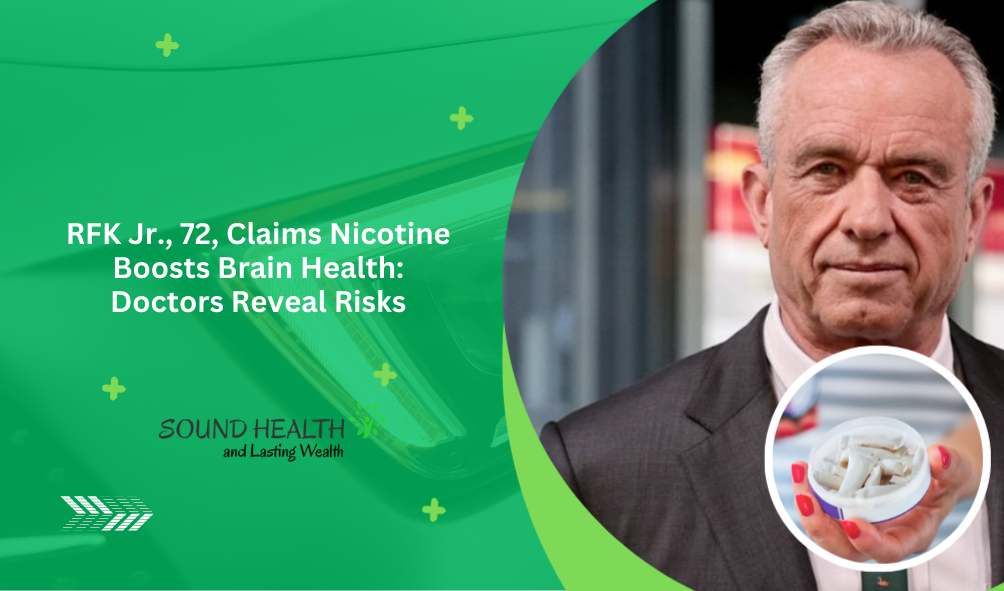

Robert F. Kennedy Jr., now 72, recently sparked widespread debate by appearing to use a nicotine pouch during his Senate confirmation hearing for U.S. Secretary of Health and Human Services. This moment, captured on video, fueled online buzz about nicotine’s potential upsides for brain health, pitting biohacking enthusiasts against medical caution.

Why the ‘Benefits of Nicotine’ Trend Is Suddenly Everywhere
Social media platforms like TikTok and X have amplified claims that low-dose nicotine—from pouches or patches—boosts focus, memory, and shields against dementia. RFK Jr.’s high-profile gesture, amid his nomination by President Trump, timed perfectly with this surge, drawing millions of views. Wellness influencers cite preliminary studies showing smokers’ lower Parkinson’s risk, often overlooking delivery methods like smoking’s harms.
Such anecdotes spread fast because nicotine offers quick alertness, much like caffeine. One biohacker shared how Zyn pouches helped during long workdays, echoing RFK Jr.’s past photos with the product. Yet, this viral wave ignores deeper science, prompting doctors to clarify facts.
What Doctors Really Think About Reported Benefits: Pablo Prichard, MD
Pablo Prichard, MD, host of Forever Young on NBC and longevity expert, acknowledges nicotine’s real effects. “A segment of social media pushes nicotine as a longevity, anti-dementia, and anti-inflammatory fix,” he notes. That substance does bind brain receptors tied to cognition.
Prichard stresses context: short-term perks exist, but long-term use carries pitfalls. He points to biohackers experimenting with microdoses for clarity, yet warns against hype. His view aligns with peers who see promise in controlled settings, not casual trends.
Doctors Weigh In: Modest Cognitive Gains Against Nicotine’s Real Risks
Experts agree nicotine activates nicotinic acetylcholine receptors, aiding attention, working memory, and reaction times. Studies show smokers or those given nicotine gum hit 89.9% accuracy on memory tasks versus 88.3% on placebo, with faster, steadier responses.
Dr. Mark Burzynski of resTOR Longevity Clinic calls these gains temporary, mainly for deprived users. Early trials with patches on mild cognitive impairment patients noted slight memory lifts, but no longevity proof. Risks like heart strain—raising pulse by 7 beats per minute—often outweigh them.
Nicotine and Brain Inflammation
This compound might curb inflammation via the cholinergic pathway, potentially aiding ulcerative colitis or neurodegeneration. Animal models link it to fewer beta-amyloid plaques in Alzheimer’s and protected dopamine neurons in Parkinson’s.
However, other research shows it worsens post-stroke inflammation, upping cytokines like IL-1β and leukocyte infiltration. In HIV patients, it heightens neuroinflammation via NLRP3 activation. Benefits seem context-specific; harms dominate in vulnerable brains.
Does Nicotine Improve Brain Function? Doctors Explain the Science
Nicotine’s receptor stimulation enhances episodic memory and fine motor skills, per preclinical and human data. A dose-response study found nasal spray doses improved continuous performance and math speed in non-deprived smokers.
Yet, effects wane quickly, and baseline deficits in abstinent users explain much “improvement.” Preclinical work ties it to BDNF boosts for memory, blocked by receptor antagonists. Doctors like Prichard emphasize: no substitute for proven habits.
The Biggest Risk: Nicotine Addiction, Dependence, and Withdrawal
Addiction hooks fast—up to half of users face lethal outcomes from tobacco, with 8 million annual deaths. Withdrawal brings irritability, anxiety, insomnia, and fierce cravings, trapping users in cycles.
Even pouches risk dependence, narrowing vessels and stressing hearts. Mental health dips too, fostering anxiety despite short relief. RFK Jr.’s pouch sparked this talk, but experts urge weighing tolerance buildup against fleeting gains.
The Bottom Line: Better, Evidence-Based Ways to Protect Brain Health
Safer options abound: polyphenol-rich berries, nuts, and coffee link to sharper cognition in older adults. Exercise and Mediterranean diets cut dementia risk more reliably than nicotine experiments.
Opt for these:
Daily walks boost BDNF naturally.
Antioxidant foods like blueberries enhance attention.
Quality sleep and stress management preserve memory.
Prioritize them over trends; consult doctors for personalized plans.
Also Read | Sasha Morpeth’s Emergency Neck Surgery: Prolapsed Discs Explained