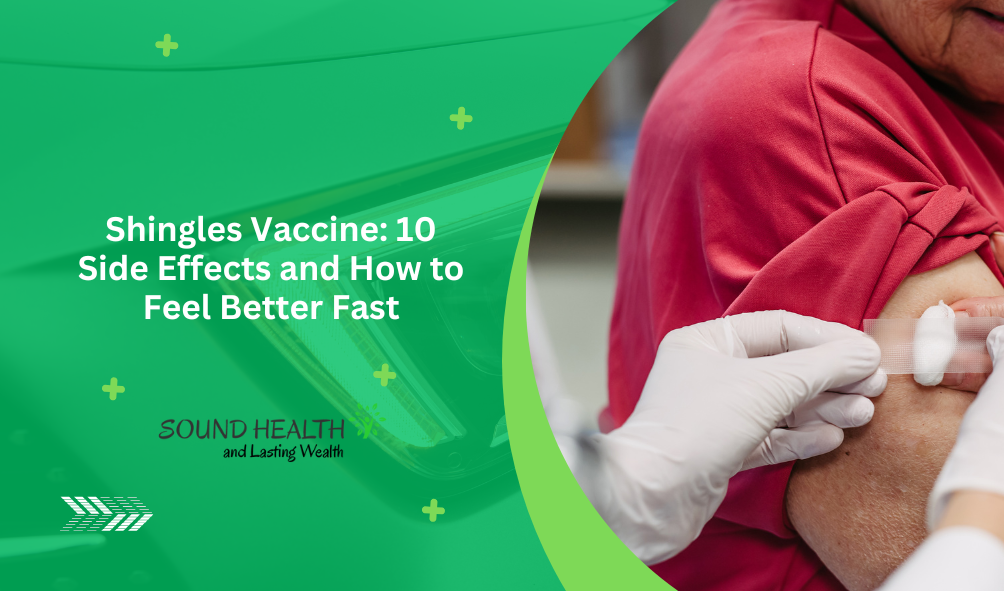

Getting the shingles vaccine is one of the best steps adults can take to protect themselves from a painful, sometimes debilitating condition. However, with increased attention to vaccine safety, many people are now asking: what are the real side effects of the shingles vaccine, especially after the second dose? This article breaks down everything you need to know—from who should get the vaccine and how well it works, to the most common side effects, why reactions can differ between doses, and how to recover quickly. Whether you’re considering the shot for yourself or a loved one, here’s a comprehensive guide that’s both professional and relatable.
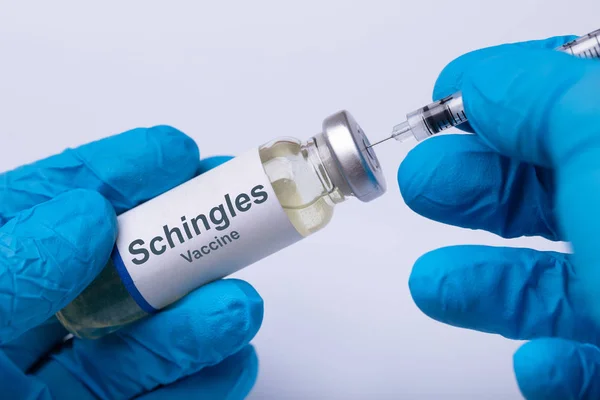
Who Should Get the Shingles Vaccine?
The Centers for Disease Control and Prevention (CDC) recommends the shingles vaccine for adults aged 50 and older, regardless of whether they remember having chickenpox or not. This is because nearly everyone over 50 has been exposed to the varicella-zoster virus, which causes both chickenpox and shingles. The vaccine is also advised for adults 19 and older who have weakened immune systems due to disease or treatment. Shingles can cause severe pain, rashes, and complications like vision loss or nerve damage, so getting vaccinated is especially important for older adults and those with chronic health conditions.
How Effective Is the Shingles Vaccine?
The Shingrix vaccine, which is currently the preferred option, is highly effective at preventing shingles. In large real-world studies, two doses of Shingrix were found to be about 76% effective over four years, with protection remaining strong even as time passes. One dose provides about 64% protection, but that drops over time, making the second dose crucial for long-lasting immunity. Effectiveness is consistent across age groups and is even high among people with weakened immune systems. This means that the vast majority of vaccinated individuals will not develop shingles, and if they do, the illness is usually milder and shorter.
10 Possible Side Effects of the Shingles Vaccine
Side effects are common but generally mild and short-lived. Most people experience symptoms for just a few days after each shot. Here are the most frequently reported side effects:
Pain, redness, or swelling at the injection site (up to 78% of recipients)
Muscle pain (about 45%)
Fatigue (about 45%)
Headache (about 38%)
Shivering (about 27%)
Fever (about 21%)
Gastrointestinal symptoms like nausea or stomach pain (about 17%)
Chills
Mild allergic reactions (rare)
Most side effects are mild and go away within 2–3 days. Severe reactions are uncommon, but if symptoms worsen or last longer than a few days, it’s important to consult a healthcare provider.
Why Am I Suddenly Hearing More About Shingles Vaccine Side Effects?
As more people get vaccinated, especially with the highly effective Shingrix, the number of reported side effects has increased in public conversation. This is partly because Shingrix is recommended for a much broader age group than previous vaccines, and its side effect profile is more noticeable than older options. Additionally, social media and news outlets have amplified personal stories, making side effects more visible. However, most side effects are mild and temporary, and the vaccine’s benefits far outweigh the risks for most adults.
Is the Second Shingrix Dose Worse Than the First?
Many people report stronger side effects after the second Shingrix dose. Clinical trials show that reactions like headache, shivering, muscle pain, and fatigue are more common after the second shot. About 17% of adults experience severe reactions (grade 3) that temporarily interfere with daily activities after either dose, but these are still short-lived. The reason for increased side effects with the second dose isn’t fully understood, but it may be because the immune system is primed and responds more vigorously. Not everyone will have worse symptoms with the second shot, but it’s important to be prepared.
How to Minimize Shingles Vaccine Side Effects
To reduce discomfort, consider these practical steps:
Stay hydrated and rest after your shot.
Use a cold compress on the injection site to reduce pain and swelling.
Take over-the-counter pain relievers like acetaminophen or ibuprofen if needed.
Avoid strenuous activities for a day or two.
Talk to your doctor if you have a history of severe reactions to vaccines.
These measures can help most people feel better quickly and get back to their normal routine.
Is the Shingles Vaccine Worth It?
Despite the side effects, the overwhelming consensus among healthcare professionals is that the shingles vaccine is worth it. Shingles can lead to severe pain, complications, and even long-term nerve damage (postherpetic neuralgia). The vaccine dramatically reduces the risk of these outcomes, and even if side effects are unpleasant, they are temporary. Millions of adults have safely received the vaccine, and the protection it offers is well-documented in both clinical trials and real-world studies.

In summary, the shingles vaccine is a powerful tool for preventing a painful condition, especially in older adults. Side effects are common but manageable, and the second dose may bring stronger reactions for some. By understanding what to expect and how to care for yourself, you can make an informed decision and protect your health for years to come.
Also Read | How to Get Rid of a Stuffy Nose: 6 Fast Natural Fixes