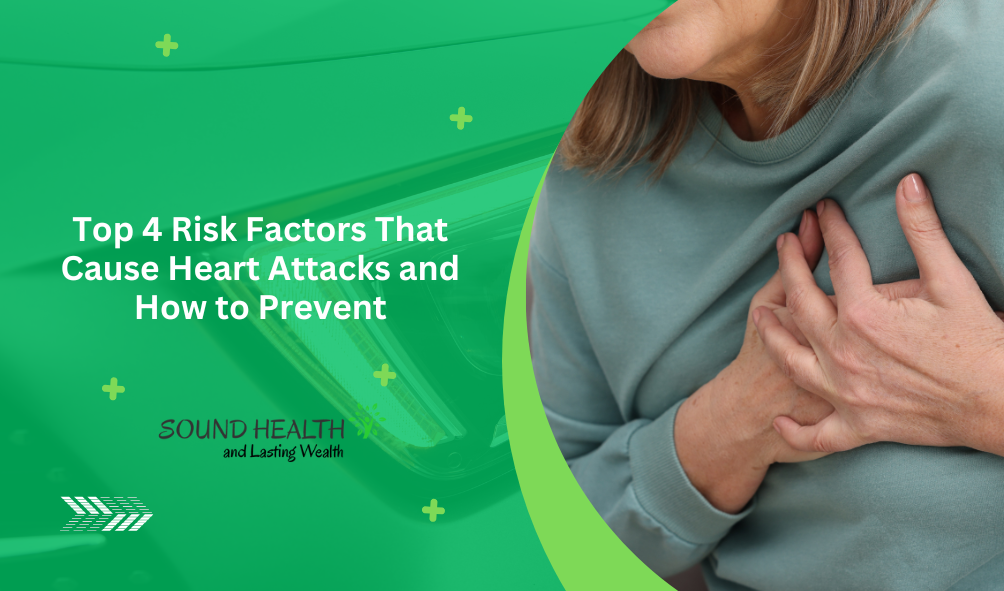

Heart disease remains the leading cause of death worldwide, with heart attacks being a significant and often sudden manifestation of underlying problems. Understanding the key risk factors that contribute to heart attacks is crucial because it empowers individuals to take proactive steps toward prevention. What’s the best way to start protecting your heart? It begins with knowing the four main risk elements almost always involved in heart attacks—and how to manage them effectively.

The 4 Critical Risk Factors That Cause Nearly Every Heart Attack and How to Fix Them
Overwhelming research shows that virtually every heart attack can be traced back to one or more of four common risk factors: high blood pressure, high cholesterol, elevated blood sugar (diabetes), and smoking. Though these are often framed medically, each one is manageable through lifestyle changes, medication when necessary, or both. The good news: these factors are highly modifiable and addressing them reduces your heart attack risk dramatically.
1. If You Need to Lower Blood Pressure: Why It Matters and How to Act
High blood pressure, also known as hypertension, silently damages arteries by forcing the heart to pump harder. This leads to arterial walls thickening and narrowing, restricting blood flow. According to the Centers for Disease Control and Prevention – CDC (gov), nearly half of American adults have hypertension, yet many are either unaware or untreated. This condition spikes heart attack risk by increasing strain on the heart muscle and fostering plaque buildup.
To lower blood pressure:
- Adopt a diet rich in fruits, vegetables, and low-fat dairy, such as the DASH diet
- Reduce sodium intake by avoiding processed foods and limiting salt
- Increase regular physical activity—at least 150 minutes per week of moderate exercise
- Manage stress through mindfulness, meditation, or yoga
- Take medication as prescribed by your healthcare provider
Medication can stabilize dangerously high pressures, but lifestyle shifts remain foundational to permanent improvement.
2. If You Need to Lower Cholesterol: Understanding and Managing “Bad” Fats
Elevated LDL (“bad”) cholesterol leads to fatty plaque accumulation lining artery walls. This plaque narrows arteries and can rupture, triggering clots that block blood flow to the heart. High cholesterol is linked to about 1 in 5 deaths from heart attack in the U.S., emphasizing its major impact.
Effective ways to reduce cholesterol include:
- Replacing saturated fats with healthy fats, like those in olive oil, nuts, and fish
- Increasing soluble fiber intake found in oats, beans, and fruits
- Maintaining a healthy weight to favorably adjust cholesterol ratios
- Avoiding trans fats commonly found in some processed snacks
- Consulting a doctor about statins or other lipid-lowering medications if lifestyle changes aren’t sufficient
Regular testing and tracking of cholesterol values can help tailor strategies before problems escalate.
3. If You Need to Lower Blood Sugar: Preventing the Diabetes-Heart Disease Connection
High blood sugar, particularly due to diabetes, accelerates damage to blood vessels and nerves controlling the heart. People with diabetes are two to four times more likely to suffer heart attacks compared to those without, showing the urgency of controlling glucose levels.
To manage blood sugar:
- Follow a balanced diet emphasizing whole grains, lean protein, and vegetables while limiting refined sugars and carbs
- Incorporate regular physical activity to improve insulin sensitivity
- Monitor blood glucose regularly using home testing kits
- Adhere to prescribed medications or insulin regimens
- Address other risk factors, like high blood pressure and cholesterol, simultaneously for comprehensive protection
The interconnected nature of blood sugar and heart health means holistic control is vital.
4. If You Need to Quit Smoking: The Most Powerful Single Step to Protect Your Heart
Tobacco smoking damages the lining of blood vessels, promotes clot formation, and accelerates plaque buildup. Smokers are about twice as likely to have a heart attack compared to nonsmokers, underscoring the profound effect smoking has on cardiovascular risk.
Steps to quit smoking effectively include:
- Setting a quit date and devising a plan
- Seeking behavioral counseling or support groups
- Using FDA-approved nicotine replacement therapies or medications
- Avoiding environments and triggers that prompt smoking
- Committing to long-term smoke-free living to maximize benefits
Ex-smokers lower their risk fairly rapidly, showing the heart’s remarkable ability to heal once tobacco is removed.
4 Simple Ways to Lower Your Heart Attack Risk, According to Experts
Pulling these strategies together, experts recommend focusing on these actionable steps:
- Monitor your blood pressure, cholesterol, and blood sugar regularly and partner with your healthcare provider for personalized recommendations.
- Adopt a heart-healthy diet focusing on whole foods, lean proteins, healthy fats, and fiber.
- Engage in routine physical activity such as walking, cycling, or swimming.
- Eliminate smoking through structured support or treatment options.
Incorporating just these four critical changes can prevent most heart attacks and improve overall cardiovascular health.
The Bottom Line: It’s Never Too Late to Start Protecting Your Heart
Whether you’re in your 30s or your 70s, addressing the four major risk factors dramatically changes your heart’s destiny. It’s a stepwise, empowering process—small changes today can add up to a significantly lower chance of heart attack tomorrow.
Heart attacks often come without warning, but with proper attention to blood pressure, cholesterol, blood sugar, and lifestyle habits like smoking, you unlock lasting heart protection. Taking control of these risk factors with knowledge and action offers the strongest shield in reducing heart attack risk and living a longer, healthier life.
Also Read | 10 Types of Stomach Pain Women Should Know