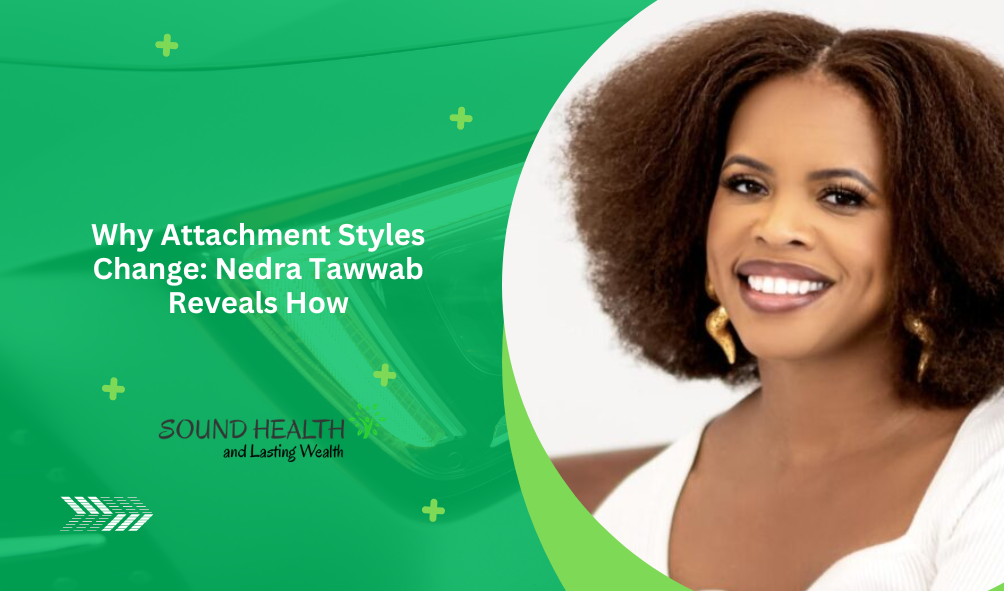

In a world where relationships often feel like puzzles with missing pieces, attachment styles offer a map. Yet, as therapist Nedra Glover Tawwab points out, that map isn’t etched in stone. Drawing from her clinical experience and book Set Boundaries, Find Peace, Tawwab stresses that these patterns from early life can shift with awareness and effort. This isn’t just theory; it’s backed by research showing 20-30% of adults change styles over time through therapy or life events (Attachment Project, 2023). Whether you’re securely bonded or wrestling with anxious tendencies, understanding this flexibility opens doors to healthier connections. Let’s break it down.

What Are Attachment Styles? A Quick Guide to Your Relationship Blueprint
Attachment styles stem from psychologist John Bowlby’s work in the 1950s, describing how infants bond with caregivers. These patterns carry into adulthood, shaping how we connect romantically and platonically.
Four main types exist:
Secure: Comfortable with intimacy and independence (50-60% of adults, per Pew Research 2022).
Anxious: Craving closeness but fearing abandonment.
Avoidant: Valuing self-reliance over vulnerability.
Disorganized: A mix of fear and unpredictability from trauma.
Consider Sarah, a client Tawwab references in interviews. Raised by inconsistent parents, she developed anxious traits, always texting partners for reassurance. That blueprint? It forms in childhood but doesn’t define forever.
Our Attachment Style Can Change: Real Stories of Transformation
Tawwab insists these styles evolve. A 2021 study in Journal of Personality and Social Psychology found therapy helps 25% shift from insecure to secure within a year. Life milestones like parenthood or breakups trigger this too.
Take Marcus, who started avoidant after a neglectful upbringing. In sessions, he practiced vulnerability; six months later, he built a steady marriage. As Tawwab notes, “awareness is the first step.” This change happens through consistent boundary-setting and self-reflection, proving earlier bonds don’t lock you in.
When Anxiety Takes the Wheel: Spotting and Shifting Preoccupied Patterns
Ever wonder why some chase reassurance endlessly? Anxious-preoccupied attachment drives this, affecting 20% of people (Attachment Project data).
Signs include overanalyzing texts or assuming rejection. Tawwab shares how one patient, Lena, spiraled during arguments, flooding her partner with calls. The fix? Pause and name the feeling: “This is my anxiety talking.” Over time, Lena gained control, reducing conflicts by 40% in her relationship.
Attachment Styles Are Good Information, Not a Life Sentence: Embrace the Insight
These styles inform, not imprison. Tawwab compares them to a weather report: useful for planning, not dictating your day.
A client anecdote illustrates this. Tom labeled himself “avoidant” after quizzes, but therapy revealed it as a protective shell. He reframed it as data for growth, leading to deeper friendships. Statistics support this; secure adults report 35% higher relationship satisfaction (APA 2024).
You Might Not Be the Same in Every Relationship: Context Shapes Your Style
One size doesn’t fit all. Tawwab explains that styles vary by partner or situation. Secure with friends? Anxious with lovers? That’s common; a 2023 Personality and Social Psychology Bulletin study shows 40% exhibit different styles across bonds.
Picture Alex: avoidant at work, secure with family. Dating triggered old fears until he adjusted expectations per relationship. This nuance frees you from rigid labels.
The Real Goal: Emotional Flexibility for Lasting Connections
Tawwab’s vision? Not a “perfect” style, but adaptability. Aim for emotional flexibility: responding to needs without old scripts dominating.
Steps to build it:
Track triggers in a journal.
Practice self-soothing techniques like deep breathing.
Seek therapy, such as EFT (Emotionally Focused Therapy), effective for 70-75% of couples (Journal of Marital and Family Therapy, 2022).
Communicate openly: “I feel distant because of past stuff.”
One couple Tawwab counseled went from anxious-avoidant clashes to mutual support. Flexibility turns styles into strengths.
Also Read | Could Your Sore Throat Be Silent Reflux After 50?