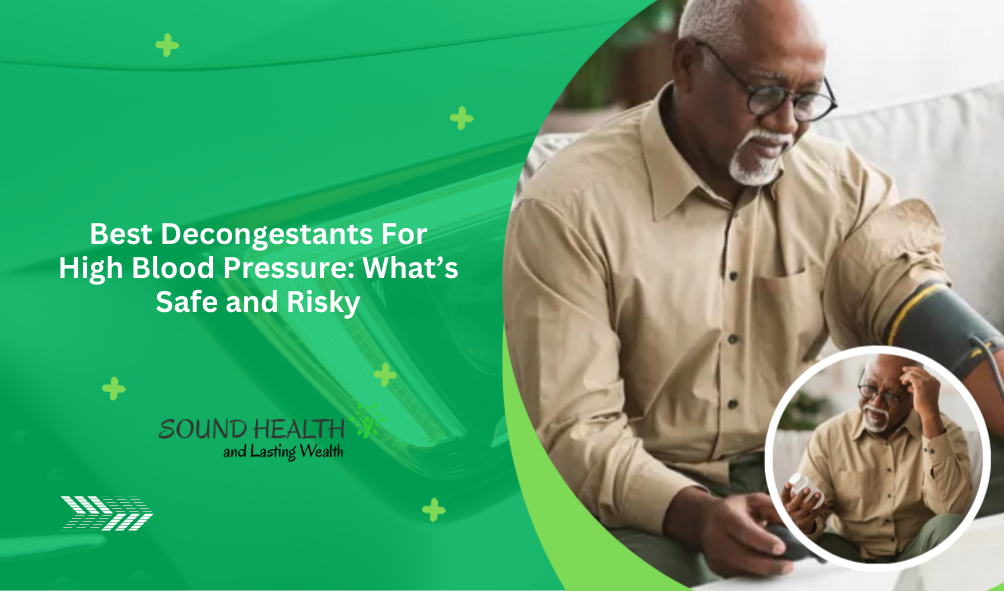

If you have high blood pressure, picking the wrong cold medicine can quietly raise your numbers and put extra strain on your heart. Many common decongestants—like pseudoephedrine and phenylephrine—work by tightening small blood vessels in the nose so swollen tissue shrinks and mucus drains more easily.
That same tightening effect, however, can also happen in blood vessels throughout the body, which pushes blood pressure up. As cardiologist William B. White, MD, Professor Emeritus of Medicine at the University of Connecticut Health Center, explained in a 2006 review of drug‑induced blood‑pressure changes, most over‑the‑counter decongestants and cold remedies can raise blood pressure, sometimes to “dangerous levels” in sensitive individuals.

For people with well‑controlled hypertension, the spike may be small in many cases, but even a modest rise can matter if the heart is already under strain. That is why guidelines from the American Heart Association and the American College of Cardiology long ago flagged that “last thing you need” is extra blood‑vessel constriction when you already have high blood pressure or heart disease.
The best decongestant for high blood pressure
When doctors talk about the safest decongestant for someone with hypertension, they usually point to non‑medicated options first. The standout is saline nasal spray, which is drug‑free, has no effect on heart rate, and can be used several times a day without concern. Saline simply moistens the nasal lining, loosens mucus, and helps clear the airways without any blood‑pressure‑raising stimulus.
For stronger relief, short‑term use of topical nasal sprays such as oxymetazoline or phenylephrine may be acceptable if used exactly as directed, because they act mostly “locally” in the nasal passages and less in the bloodstream. Still, these are not meant for daily long‑term dosing and are best reserved for a few days at a time.
Over‑the‑counter products labeled “HBP” or “for high blood pressure,” such as certain formulations of Coricidin HBP, avoid decongestants entirely and instead rely on antihistamines or expectorants, which are generally safer for people with hypertension.
Dangerous decongestants to avoid if you have high blood pressure
Not all decongestants are equal when it comes to blood pressure. The most common ones that can be risky include:
Pseudoephedrine – found in many “cold and sinus” formulas; can raise systolic and diastolic pressure in some people, even those with previously controlled hypertension.
Phenylephrine (oral) – often sold as a “less risky” alternative, but studies show it can still increase blood pressure, especially at higher doses or in sensitive individuals.
Ephedrine and phenylpropanolamine – older stimulant‑type decongestants that have long been associated with marked blood‑pressure spikes and cardiovascular events.
The U.S. Food and Drug Administration now requires labels on these products to warn consumers with hypertension to “consult your physician” before use. If you have uncontrolled, severe, or long‑standing high blood pressure, doctors often advise skipping these ingredients entirely.
Also Read | Rotator Cuff Tear Symptoms and Home Exercises to Ease Shoulder Pain
Who’s at greater risk for issues with decongestants?
Some people are more vulnerable to decongestant‑related spikes than others. According to hypertension specialists, higher‑risk groups include:
People with uncontrolled or stage 2 hypertension (systolic ≥140 mm Hg or diastolic ≥90 mm Hg).
Adults with existing heart disease, prior heart attack, or heart failure, where extra strain from constricted blood vessels can worsen symptoms.
Older adults, especially those taking multiple medications, because drug interactions can amplify blood‑pressure effects.
Even in otherwise healthy people, clinical trials cited by experts like William B. White show that a small but meaningful minority experience marked increases in blood pressure after taking common decongestants. This is why routine blood‑pressure checks are often recommended if someone with high blood pressure must take a decongestant, even if it is “short‑term.”
3 natural alternatives to decongestants if you have high BP
If you want to sidestep medication‑related blood‑pressure spikes, you can still ease a stuffy nose with simple, heart‑friendly options. Here are three evidence‑backed natural alternatives:
1. Neti pot or saline rinse
Using a neti pot or saline rinse device helps flush out mucus, allergens, and irritants from the nasal passages. Doctors recommend using sterile, distilled, or previously boiled‑and‑cooled water with a pre‑measured saline packet to avoid infections such as rare but serious brain‑affecting amoebas linked to tap‑water rinses.
Many people notice clearer breathing within a few rinses, and the effect is purely mechanical: no drugs enter the bloodstream, so blood pressure stays unaffected.
2. Humidifier
Dry air can worsen congestion and irritate the nasal lining. A cool‑mist or warm‑mist humidifier adds moisture to the room, which helps thin mucus and makes it easier to breathe.
Just keep the device clean to prevent mold and bacteria buildup, and follow manufacturer instructions. Simple, low‑tech, and completely blood‑pressure‑safe.
3. Saline nasal spray
Over‑the‑counter saline sprays are one of the few cold‑relief tools that professionals consistently label as “safe for high blood pressure.” They moisturize dry nasal tissue, reduce irritation, and can be used as often as needed without rebound congestion or cardiovascular side effects.
How to choose the right cold medicine when you have high blood pressure
Reading labels is non‑negotiable if you have hypertension. The key is to look past the brand name and focus on the “active ingredients” list.
Here’s a quick checklist:
Avoid products that list: pseudoephedrine, phenylephrine (oral), ephedrine, or phenylpropanolamine as active ingredients.
Look for “HBP,” “non‑decongestant,” or “for high blood pressure” on the front, then double‑check the label to confirm no decongestant is present.
Prefer single‑ingredient products over “all‑in‑one” cold formulas; for example, an antihistamine (like loratadine) or an expectorant (like guaifenesin) alone is usually safer than a combo pill that hides a decongestant.
If you’re unsure, your pharmacist or doctor can often point you to a specific brand and formulation that is appropriate for your blood‑pressure profile.
Doctor tips: How long can you safely use decongestants with hypertension?
Even relatively safer options shouldn’t be used indefinitely. Cardiologists and primary‑care doctors generally advise:
Topical nasal sprays (oxymetazoline, phenylephrine): usually no more than 3–5 days, because longer use can cause rebound congestion and dependence on the spray.
Oral decongestants: ideally avoided altogether in people with uncontrolled or severe hypertension; if used briefly, under close monitoring of blood pressure.
For ongoing nasal congestion—especially from allergies or chronic sinus issues—doctors often recommend corticosteroid nasal sprays (such as fluticasone or budesonide) or antihistamines, which control inflammation without stimulating blood vessels.
If you are on multiple blood‑pressure medications or have other heart conditions, it’s wise to limit cold‑remedy use to as short a period as possible and to check your blood pressure more frequently while you’re sick.
The bottom line on decongestants and high blood pressure
Not all decongestants are equally risky, but many common ones can raise blood pressure by constricting blood vessels, sometimes enough to worry heart specialists. For people with high blood pressure—especially if it’s uncontrolled or accompanied by heart disease—saline sprays, proper saline rinses, and humidifiers are often the safest and most effective first‑line options.
When you do need medication, choosing HBP‑labeled products without pseudoephedrine or phenylephrine and sticking to short‑term use can help protect your cardiovascular health while still relieving congestion. When in doubt, a quick call or visit to your doctor or pharmacist can keep your cold treatment both effective and heart‑safe.
Also Read | Stop Watery Eyes After 50: Doctor’s Sneaky Causes & Fixes