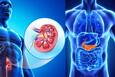

Gall Bladder Diseases: In this article, we will look at some of the diseases that a gall bladder can suffer from, and the various signs and symptoms that the body may show up.
Is your bladder at risk? Located in the right upper area of your abdomen, this organ plays a very important role in managing the body’s internal digestive balance. However, it is also prone to some of the complicated and chronic disorders, that can make it difficult for your body to function. In this article, we will look at some of the diseases that a gall bladder can suffer from, and the various signs and symptoms that the body may show up when it is on the danger line.
It can be extremely painful when your gallbladder is not functioning properly. The digestive system can take a wrong turn when things go bad with the gallbladder. Whether it is a gallstone or a simple abnormality in the gallbladder, the condition can lead to severe abdominal pain. It can come in several phases, and these are called attacks. A gallbladder attack can last from 30 minutes to several hours.
Signs Your Gall Bladder Is at Risk
As discussed above, a problematic gallbladder comes with a set of symptoms that can range from mild to severe. When a gallstone completely gets blocked, it leads to the blockage of the usual flow of the bile juice to the gallbladder or small intestine, which is when a person may experience the following symptoms, in addition to chronic abdominal pain:
- Nausea or vomiting
- Unexplained loss of appetite
- Extreme fatigue or tiredness
- Sudden weight loss
- Jaundice (yellowing of the skin and eyes)
- Fever, accompanied by chills
- Skin itching
- Night sweats
- Dark urine
- Change in colour of the stool
Home | Gall Bladder Diseases