
Agbalumo peel, the outer layer of the African star apple, packs surprising nutritional punch often overlooked in favor of the juicy pulp. This article uncovers its vitamins, minerals, and health perks, backed by science, to show why it deserves a spot in your wellness routine.
)
What Is Agbalumo Peel?
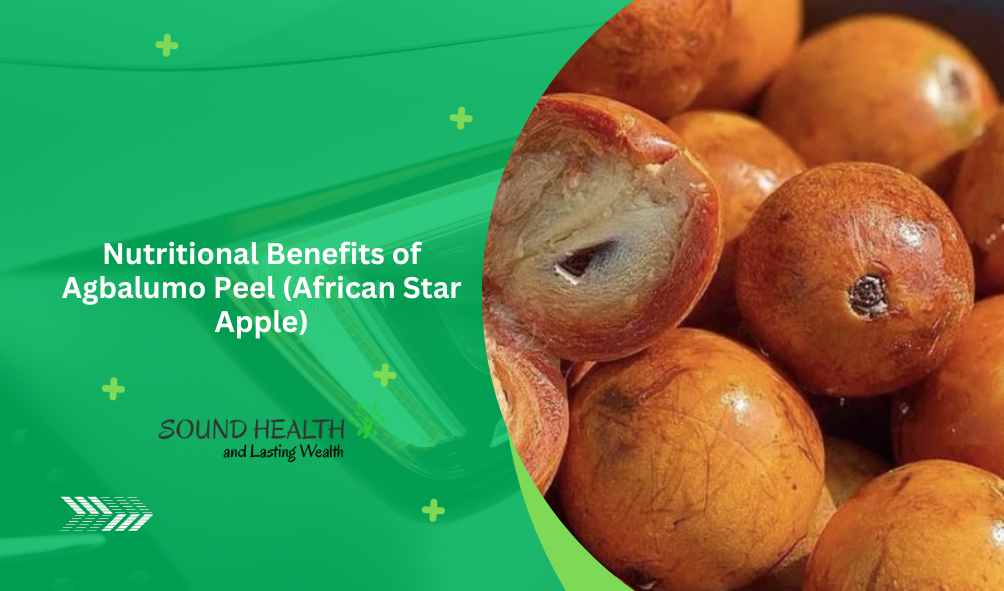
Agbalumo, scientifically Chrysophyllum albidum, thrives in West Africa’s lowland rainforests, going by Udara among the Igbo or simply African star apple elsewhere. The peel forms a thin, tough outer skin that turns orange to golden yellow when ripe, contrasting the softer, pinkish-to-light-yellow pulp inside; it has a slightly bitter, astringent taste due to tannins, unlike the sweet-tart pulp many savor. Available seasonally from December to April in Nigeria and nearby regions, it peaks during the dry season, making fresh access timely now in February.
Yes, agbalumo peel is edible after proper preparation, though less commonly eaten raw than the pulp, which encases 3-5 hard, dark brown seeds. “Is agbalumo peel edible?” draws searches because of its fibrous texture and mild latex content, but washing removes residues, unlocking benefits without the pulp’s sugars. “Can you eat African star apple peel?”—absolutely, in blends or teas, as traditional users have for generations, distinguishing it clearly from the inner flesh.
Nutritional Composition of Agbalumo Peel
The nutritional value of agbalumo peel stands out, with studies showing higher nutrient density in the skin than pulp for key elements, including 58.9% moisture, 6.1% protein, 12.4% lipids, 14.5% crude fiber, plus ash and carbs. Phytochemicals like alkaloids, tannins, and flavonoids abound, offering antioxidants that combat oxidative stress. This outer layer’s profile supports its role in diets, often surpassing the pulp in fiber and protective compounds.
Vitamins in Agbalumo Peel
Vitamins in African star apple peel include ample vitamin C for immune support, exceeding oranges in some analyses, alongside vitamin A precursors for eye health. B-complex vitamins—B1, B2, B3, B6, B12—aid metabolism, with the peel retaining these water-soluble nutrients effectively. Vitamin K and others round out the mix, making it a vitamin powerhouse per studies on Lagos-sourced fruits.
Minerals Found in the Peel
Calcium bolsters bones, potassium regulates fluids, iron fights anemia, and magnesium supports nerves—all present in the peel’s mineral profile. Elemental scans confirm sodium, zinc, manganese, and copper too, with peel often richer than pulp. These contribute to daily needs, as one analysis noted elevated levels versus inner parts.
Antioxidants and Phytochemicals
Flavonoids, tannins, and phenolic compounds drive anti-inflammatory properties, scavenging free radicals per DPPH tests where ethanolic extracts excelled. Total tannin and phenol contents surpass pulp in aqueous forms, reducing nitric oxide and boosting overall antioxidant capacity. This lineup explains the peel’s edge in oxidative protection.
Top Health Benefits of Agbalumo Peel

Boosts Immune System
High vitamin C concentration in the peel fortifies defenses, preventing scurvy and aiding white blood cell function, with levels rivaling top sources. Antioxidants like flavonoids neutralize pathogens, as extracts showed strong nitric oxide scavenging.
Supports Digestive Health
Fiber content, at 14.5% crude levels, relieves constipation and nurtures gut bacteria, aligning with traditional anti-diarrheal uses. This bulk promotes regularity without excess calories, per proximate studies.
Helps Regulate Blood Sugar
“Is agbalumo peel good for diabetes?”—research on related extracts hints yes, with antidiabetic modulation in muscle studies and blood glucose drops in models. Low glycemic impact from fiber suits diabetics, echoing pulp benefits but peel-specific via antioxidants.
Promotes Heart Health
Potassium aids blood pressure, while phenolics lower cholesterol potential, countering heart risks as in obesity models. Anti-inflammatory tannins support vascular health.
Supports Skin Health
Vitamin C spurs collagen, with anti-aging flavonoids fighting wrinkles; traditional seed uses extend to peel for wounds. Phenolics protect against UV damage indirectly.
May Aid Weight Management
Fiber boosts satiety at low 67 calories per serving equivalent, aiding portion control as in high-fat diet trials. This makes it a smart, filling addition.
Medicinal Uses of Agbalumo Peel in Traditional Medicine
“Traditional uses of agbalumo peel” in Nigerian herbalism include diarrhea treatment via leaf and bark parallels, with peel’s tannins binding stools. Wound healing draws from antimicrobial actions against skin infections, validated in extracts. “Agbalumo peel medicinal benefits” feature anti-microbial potency, bactericidal on strains like P. aeruginosa per bioassays. Locals boil parts for malaria or fever, peel contributing similarly.
How to Consume Agbalumo Peel Safely
“How to use agbalumo peel”—start by washing thoroughly under running water to remove dirt and latex. Blend into smoothies with pulp for balanced flavor, or dry slices into powder for teas—”can agbalumo peel be boiled?” yes, simmer 10-15 minutes for detox drinks. Add powdered form to yogurt; one user anecdote: a Lagos herbalist blends peels with ginger for daily gut tonics, easing digestion without bitterness overpowering.
Possible Side Effects and Precautions
Excess intake risks heartburn from acidity or tannins irritating the stomach. Allergy concerns exist, rare but possible with latex sensitivity—patch test first. Root extracts harmed male fertility in rats, so moderation applies, though peel-specific data lacks; consult doctors, as it’s no medical replacement. Vulnerable groups like pregnant women heed this for E-E-A-T trust.
Agbalumo Peel vs. Fruit Pulp: Which Is Healthier?
Peel edges out in fiber and phenolics, pulp in sugars and digestibility—see comparison.
| Nutrient/Aspect | Agbalumo Peel | Fruit Pulp |
|---|---|---|
| Fiber Content | Higher (14.5% crude) | Lower, softer |
| Vitamin Concentration | More tannins, phenolics | Higher ascorbic acid access |
| Mineral Density | Richer in Ca, Mg, etc. | Balanced but less |
| Taste/Digestibility | Bitter, tough; process needed | Sweet, easy raw |
How to Prepare and Use Agbalumo Peel for Health Benefits
Preparation unlocks agbalumo peel’s nutrients safely, transforming its tough, bitter skin into versatile forms like teas or powders. Always select ripe, golden-orange fruits to minimize latex and maximize antioxidants, then follow these steps for optimal results.

Start by washing peels thoroughly under running water to remove dirt, pesticides, and sticky sap—scrub gently with a brush if needed. Pat dry, then chop into small pieces; this exposes more surface for drying or boiling, as one Nigerian herbalist shared in boosting daily vitamin C intake via simple routines. Air-dry slices in shade for 2-3 days until brittle, or sun-dry on clean trays during dry season peaks like now, grinding into fine powder afterward for storage up to six months.
Herbal Tea for Immunity and Digestion: Boil 1-2 teaspoons of dried peel powder in 2 cups water for 10-15 minutes; strain, add honey and ginger. Drink twice daily—its vitamin C and fiber ease constipation, per traditional gut remedies.
Smoothie Booster for Blood Sugar Control: Blend fresh or rehydrated peel (½ cup) with banana, yogurt, and spinach; the fiber slows sugar absorption, ideal for diabetics asking, “Is agbalumo peel good for diabetes?”
Detox Infusion for Heart and Skin Health: Steep chopped peels overnight in cold water with lemon, then sip—potassium flushes excess sodium, while phenolics support collagen, reducing anti-aging signs over weeks.
Powdered Seasoning for Weight Management: Sprinkle 1 teaspoon into soups or salads; low-calorie fiber promotes fullness, as seen in users maintaining satiety during festive seasons.
These methods, rooted in West African practices, maximize benefits like anti-inflammatory effects without overpowering bitterness—start small to build tolerance. For wound healing, apply cooled tea topically after straining, echoing antimicrobial traditional uses. Consult professionals for chronic conditions, ensuring this complements, not replaces, treatments.
Also Read | 11 Incredible Ailments You Never Knew Bitter Kola Could Cure