The Stanford neuroscientist has built a huge following on free, science-based daily habits. Here is what each one actually involves, and an honest look at where the evidence is strong and where it is still catching up.
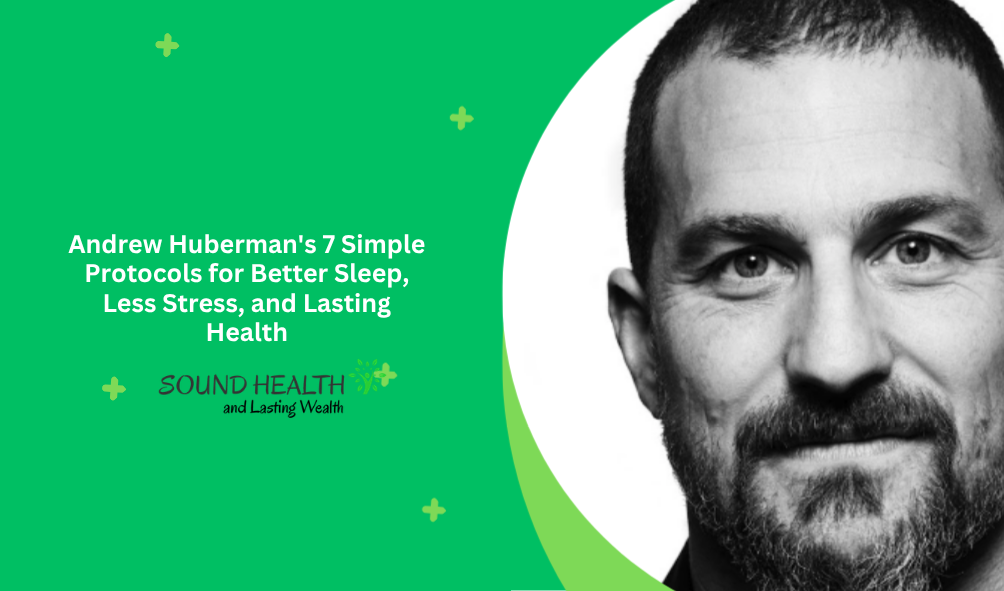
If you have spent any time on health content online, you have probably encountered Andrew Huberman. He is a professor of neurobiology and ophthalmology at Stanford School of Medicine and the host of the Huberman Lab podcast, and he has become one of the most widely followed voices translating neuroscience into everyday habits he calls “protocols.” Most of them are free, take only a few minutes, and are built around how light, temperature, and the nervous system shape sleep, stress, and health.
It is worth being clear about two things up front. Huberman is a neuroscientist with a PhD, not a medical doctor, so his protocols are science-informed tools he shares publicly, not personalized medical advice. And while much of what he recommends rests on solid physiology, some of the specific claims are more reasonable hypotheses than settled science. This article walks through seven of his best-known protocols, explains how to do each one, and gives an honest read on the evidence behind it.
Key Takeaways
- Huberman’s protocols are mostly simple, free daily habits centered on light, temperature, breathing, and consistency.
- The strongest-supported protocols are getting morning light, keeping days bright and nights dim, sleeping in a cool room with a consistent wake time, and regular exercise.
- The physiological sigh has good evidence for quickly reducing stress, based on a 2023 Stanford trial his lab co-authored, though that same trial did not show the heart-rate or sleep benefits sometimes claimed for it.
- Some popular specifics, such as the exact 90-minute caffeine delay, and practices like NSDR and cold exposure, are reasonable and low-risk but less firmly proven.
- Huberman is a neuroscientist, not a physician, and these are general tools rather than medical advice.
- Cold exposure in particular carries real risks for some people, so it is worth checking with a doctor before trying it.

1. Get sunlight in your eyes early in the day
What it is: Huberman’s most emphasized habit is viewing natural light soon after waking, ideally within 30 to 60 minutes, for several minutes (longer on overcast days). The idea is that morning light sets your circadian clock, triggers a healthy morning rise in the hormone cortisol, which promotes daytime alertness, and starts a timer for melatonin release roughly 14 to 16 hours later, helping you feel sleepy at the right time.
How to do it: Go outside in the morning without sunglasses and let natural light reach your eyes, without looking directly at the sun. Even a cloudy day provides far more light than indoor lighting. If you wake before sunrise, use bright artificial light, then get outside once the sun is up.
The evidence: This is on firm ground. Light is the single most powerful signal for the body’s internal clock, and using morning light to anchor the sleep-wake cycle is well established in circadian science. Of all his protocols, this is the one most worth adopting.
2. Delay your caffeine for 90 to 120 minutes after waking
What it is: Huberman recommends waiting roughly 90 to 120 minutes after waking before your first coffee. The reasoning involves adenosine, the molecule that builds up and makes you feel sleepy. He suggests that delaying caffeine lets your body clear residual adenosine naturally, so you avoid a mid-afternoon energy crash later.
How to do it: Hydrate and get light and a little movement first, then have your coffee an hour and a half or so into your day, and try to avoid caffeine too late so it clears before bedtime.
The evidence: This is where honesty matters. The general principle, do not over-caffeinate and be careful with late-day caffeine, is sound. But the specific claim that a 90-minute delay prevents an afternoon crash is a reasonable hypothesis rather than a firmly proven effect, and responses to caffeine vary a lot between individuals. If it helps you, it is a harmless habit. If it makes no difference for you, it is not a rule you must follow.
3. Keep your days bright and your nights dim
What it is: Alongside morning light, Huberman stresses getting plenty of light during the day and then minimizing bright artificial light in the evening and overnight, particularly overhead lights and screens in the hours before bed. Bright light at night can suppress melatonin and push your clock later, making sleep harder.
How to do it: Seek daylight through the day, including late-afternoon light when possible. In the evening, dim household lights, favor lower and warmer lighting, and reduce bright screen exposure as bedtime approaches.
The evidence: Well supported. Light exposure at the wrong time is a recognized disruptor of sleep and circadian timing, and keeping nights dim is standard, evidence-based sleep hygiene.
4. Sleep in a cool room, warm up before bed, and keep a consistent schedule
What it is: Three linked habits. Huberman recommends a cool bedroom, because a drop in core body temperature helps trigger and maintain sleep. He suggests a warm bath, shower, or sauna an hour or so before bed, which paradoxically helps cool your core afterward. And he emphasizes a consistent sleep and wake time, within about an hour, seven days a week.
How to do it: Keep the bedroom on the cool side, use a warm shower or bath in the evening to encourage the after-drop in temperature, and above all try to wake at the same time daily, including weekends.
The evidence: Strong. A cool sleep environment and, most importantly, a regular sleep-wake schedule are among the best-supported sleep practices there are. The consistent wake time may be the highest-value part of this whole list after morning light.
5. Use the physiological sigh to calm down fast
What it is: For stress in real time, Huberman has popularized the “physiological sigh,” a breathing pattern the body already does naturally. You take a full inhale through the nose, add a second short sip of air at the top, then release a long, slow exhale through the mouth. Even one or two rounds can take the edge off acute stress, and a five-minute daily version has been studied.
How to do it: Two inhales through the nose, one long exhale through the mouth. Repeat as needed in a stressful moment, or for about five minutes as a daily practice.
The evidence: This has real support. A 2023 randomized controlled trial published in Cell Reports Medicine, co-authored by Huberman’s Stanford lab with Dr. David Spiegel, found that five minutes a day of cyclic sighing improved mood and reduced stress and breathing rate more than mindfulness meditation over one month. Importantly, and often left out of viral summaries, that same trial did not find significant improvements in heart rate, heart rate variability, or sleep, even though those benefits are sometimes attributed to the technique. So the honest claim is that it is an excellent, fast, free tool for stress and mood, not a proven fix for heart rate or sleep.
6. Try NSDR or yoga nidra for deeper recovery
What it is: NSDR, which stands for Non-Sleep Deep Rest, is Huberman’s popularized term for guided practices like yoga nidra, a lie-down, body-scan style of deep relaxation. He uses it to unwind, to recover during the day, and as a way to make up for lost sleep without the grogginess a nap can cause. Sessions typically run 10 to 30 minutes.
How to do it: Follow a free guided NSDR or yoga nidra recording, lying down in a quiet spot, once a day or whenever you need to reset.
The evidence: Promising but limited as a named practice. The specific research base for “NSDR” is early, though the underlying relaxation mechanisms are plausible and yoga nidra has some supporting studies for stress and relaxation. It is low-risk and many people find it genuinely restorative, so it is reasonable to try, with realistic expectations.
7. Consider deliberate cold exposure, and don’t neglect the basics
What it is: For alertness, mood, and stress resilience, Huberman advocates deliberate cold exposure, such as cold showers or cold-water immersion. The idea is that brief, uncomfortable but safe cold triggers a lasting rise in alertness-and-mood chemicals and trains your ability to stay calm under stress. He frames this alongside the non-negotiable foundations of long-term health: regular exercise combining cardiovascular work and strength training, and minimizing alcohol.
How to do it: If you try cold exposure, start gently, keep it brief, and make it uncomfortably cold rather than dangerous. For the basics, aim for a consistent mix of aerobic and resistance exercise across the week, and keep alcohol low.
The evidence: Mixed, and this is the protocol to approach most carefully. Some research suggests cold exposure can boost mood and alertness, but many popular claims run ahead of strong evidence, and cold-water immersion carries real risks for some people, including those with heart conditions, because of the sharp cardiovascular response to cold. By contrast, the two “boring” foundations he pairs it with, regular exercise and limiting alcohol, are among the most strongly supported health habits in all of medicine.
What to keep in mind before you start
A few practical cautions make these protocols safer and more useful.
- You do not need to do all seven at once. Behavior-change research consistently shows that starting small and staying consistent works better than overhauling everything. Morning light and a consistent wake time are the highest-value places to begin.
- Treat the specific numbers as flexible guidelines, not strict rules. Individual variation is large, especially with caffeine and cold.
- Be especially cautious with cold-water immersion if you have any cardiovascular condition, are pregnant, or have other health concerns, and check with a doctor first.
- Supplements are a separate decision. Huberman discusses a sleep-supplement stack, but supplements interact with medications and conditions and are worth discussing with a healthcare professional rather than copying from a podcast.
When to talk to a healthcare professional
These are general wellness habits, not treatments. Consider speaking with a doctor if:
- You have ongoing sleep problems, such as trouble falling or staying asleep, loud snoring, or daytime exhaustion, that lifestyle changes are not resolving, as these can signal a treatable sleep disorder.
- You are dealing with persistent stress, anxiety, or low mood that is affecting your daily life.
- You have a heart condition or other medical concern and are considering cold exposure or a significant change in exercise.
- You want to add supplements, or you take medications that these habits or supplements might affect.
A professional can help you separate what is genuinely useful for your situation from what is simply popular.
What the evidence does NOT prove
It is worth being precise about the limits here. Huberman is a credible science communicator, and much of his advice is grounded in real physiology, which is a large part of why it has resonated. But popularity is not proof, and a few points deserve emphasis.
Not every protocol is equally supported. Morning light, dim nights, a cool and consistent sleep routine, exercise, and limiting alcohol are strongly backed. The exact 90-minute caffeine delay, NSDR as a specific named practice, and many cold-exposure claims are more preliminary. The cyclic sighing example is a useful reminder to check specifics against data, since the technique’s real, studied benefit is for stress and mood, not the heart-rate or sleep improvements sometimes claimed. And because Huberman is a neuroscientist rather than a physician, his protocols are best understood as general tools, not medical guidance tailored to you. None of this means the advice is wrong. It means it deserves the same scrutiny you would apply to any health information, including this article.
The bottom line
The reason Andrew Huberman’s protocols have caught on is that most of them are simple, free, and rooted in genuine science. If you take nothing else from his approach, getting bright light early, keeping your nights dim, sleeping in a cool room, waking at a consistent time, moving your body regularly, and using a physiological sigh when stress spikes are low-risk habits with real support behind them. The more experimental pieces, from the precise caffeine timing to cold plunges, are reasonable to try if they appeal to you, as long as you keep your expectations calibrated to the evidence and check with a professional where safety or medications are involved.
Used sensibly, these are useful tools for sleep, stress, and long-term health. They are not magic, and they are not a substitute for medical care when you need it, but as a starting framework for working with your biology rather than against it, they are a solid and accessible place to begin.
Also Read | Prolonged Sitting Affects Your Body in Ways Movement Breaks Can Counter
References
- Huberman Lab. “Sleep Toolkit: Tools for Optimizing Sleep & Sleep-Wake Timing” (Episode 84). hubermanlab.com. https://www.hubermanlab.com/episode/sleep-toolkit-tools-for-optimizing-sleep-and-sleep-wake-timing
- Huberman Lab. “Light Exposure and Circadian Rhythm” (topic page) and “Breathwork Protocols for Health, Focus & Stress” (newsletter). hubermanlab.com.
- Yilmaz Balban M, Neri E, Kogon MM, et al. “Brief structured respiration practices enhance mood and reduce physiological arousal.” Cell Reports Medicine, 4(1): 100895, 2023. https://doi.org/10.1016/j.xcrm.2022.100895
- Analysis of the cyclic sighing trial’s outcomes noting no significant change in heart rate, heart rate variability, or sleep metrics (independent review of Balban et al. primary data).
- Independent evidence-ranked overviews of the Huberman sleep routine (for context on which elements are well-supported versus preliminary).
- General circadian and sleep-science references on morning light, evening light, sleep temperature, and consistent sleep-wake timing (e.g., sleep foundation and peer-reviewed circadian literature).