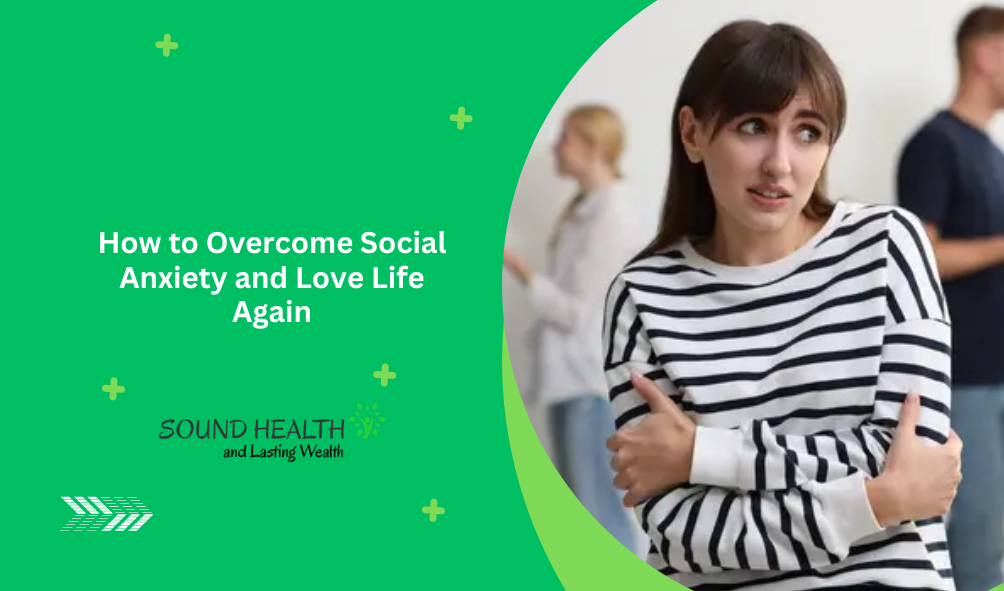
Social anxiety holds many back from meaningful connections and bold pursuits. Imagine Sarah, who skipped her best friend’s wedding rehearsal because the thought of small talk left her heart racing. This common struggle affects millions, but practical steps can help you reclaim joy. In this guide, we break down what fuels it, key symptoms, and proven strategies to manage it. Whether you’re navigating everyday interactions or deeper fears, these insights empower you to build confidence and embrace the life you deserve.

What Is Social Anxiety Disorder?
Social anxiety disorder, often called social phobia, involves intense fear of social situations where scrutiny feels inevitable. Unlike shyness, it disrupts daily life. The National Institute of Mental Health reports it impacts 7.1% of U.S. adults yearly, with symptoms persisting for at least six months.
This condition stems from a heightened threat response in the brain’s amygdala, triggering physical distress. For instance, a simple coffee chat can feel like a high-stakes exam. Early recognition sets the stage for effective management, as we’ll see later.
Symptoms of Social Anxiety Disorder

Common Physical Social Anxiety Disorder Symptoms
Recognizing signs early matters. These include:
-
Rapid heartbeat or blushing.
-
Sweating, trembling, or nausea.
-
Shortness of breath during interactions.
Emotional and Behavioral Social Anxiety Disorder Symptoms
Mentally, dread builds beforehand, with avoidance as a hallmark. One study in the Journal of Anxiety Disorders found 75% of sufferers skip events to evade judgment. Sarah, from our intro, avoided parties for years, missing promotions until she addressed it.
These cues signal when fear overrides reason, paving the way for targeted relief.
Shyness fades with familiarity; social anxiety disorder endures and intensifies. Casual nervousness before a speech is normal. But if that fear paralyzes you, avoiding jobs or dates, it crosses into disorder territory.
The DSM-5 distinguishes them: transient social anxiety is situational, while the disorder impairs functioning across contexts. Statistics show 12% of teens experience the latter, per NIMH. Understanding this gap, as in Sarah’s story, helps you decide next steps without overpathologizing everyday jitters.
12 Practical Tips to Overcome Social Anxiety
These actionable strategies build resilience gradually. Start small for lasting change.
-
Practice deep breathing: Inhale for four counts, hold four, exhale four. It calms the nervous system before events.
-
Challenge negative thoughts: Replace “They’ll think I’m foolish” with evidence-based counters.
-
Set micro-goals: Say hello to one stranger daily.
-
Expose gradually: Attend low-stakes gatherings, like a book club.
-
Use positive visualization: Picture success, reducing anticipatory dread.
-
Build a support network: Share with trusted friends.
-
Exercise regularly: 30 minutes daily cuts anxiety by 25%, per Harvard studies.
-
Limit caffeine: It amplifies jitters.
-
Practice mindfulness apps: Tools like Headspace lower symptoms in weeks.
-
Prepare conversation starters: Questions like “What’s new with you?” ease entry.
-
Celebrate wins: Track progress in a journal.
-
Role-play scenarios: Rehearse with a mirror or friend.
One client I coached turned team meetings from nightmares to normals using tips 3 and 10.
When to Seek Professional Help for Social Anxiety
If anxiety disrupts work, relationships, or self-care for over six months, consult a pro. Warning signs include panic attacks, isolation, or depression, links 30% of cases co-occur, says APA.
Therapists assess via structured interviews. Don’t wait; early intervention boosts recovery rates to 75%.
Treating Social Anxiety Disorder Effectively
Cognitive Behavioral Therapy (CBT) for Social Anxiety
CBT rewires thought patterns, with 60% improvement rates in trials.
Medication Options for Social Anxiety Relief
SSRIs like sertraline help 50-70% of patients, per Mayo Clinic. Combine with therapy for best results.
Lifestyle Changes to Support Treatment
These amplify therapies, as referenced earlier.
More Details About Social Anxiety Disorder
Genetics play a 30-50% role, per twin studies, alongside trauma or overprotective parenting. Women report higher rates, but men underseek help. Long-term, untreated cases raise risks for substance abuse (20% comorbidity).
Cultural factors vary: collectivist societies may normalize it more. This fuller picture informs personalized paths forward.
How to Manage Social Anxiety with Coaching
Coaching complements therapy by focusing on goals. A coach like me helps unpack triggers via accountability check-ins. For example, one participant role-played networking, landing a job in months.
Sessions emphasize strengths, using tools from positive psychology. It’s empowering, non-clinical support – ideal post-therapy or standalone. Studies in the Studies in Coaching Psychology journal show that 80% report confidence gains.
Living fully means facing fears head-on. Start with one tip today.
Also Read | Overcome Fear and Anxiety: 7 Proven Steps to Freedom