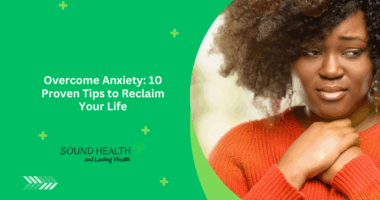

Fear and anxiety often feel overwhelming, but they don’t have to control your life. Many people struggle with these emotions daily, yet simple, proven strategies can lead to real relief. This article breaks it down clearly, from understanding the basics to actionable steps. Those seven steps ahead have helped countless individuals regain control, backed by psychology experts and real-world results.

What Are Fear and Anxiety? Understand the Basics
Fear is your body’s immediate alarm to danger, like jumping when a car swerves toward you. Anxiety, on the other hand, lingers as a vague worry about what might happen. Both trigger the fight-or-flight response, releasing adrenaline and cortisol.
The American Psychological Association notes that 19% of U.S. adults faced an anxiety disorder last year. Consider Sarah, a teacher who froze before every parent meeting; her racing heart signaled anxiety, not just nerves. These reactions served our ancestors well against predators, but in modern life, they often fire without real threats. Recognizing them as survival tools helps demystify their power.
What’s the Difference Between Fear and Anxiety? Key Distinctions Revealed
Fear targets a clear, present threat; think of it as a spotlight on immediate peril. Anxiety casts a shadow over future uncertainties, like fretting over a job interview weeks away. The former is short-lived and specific; the latter builds, disrupts sleep, and erodes focus.
A 2023 study in The Lancet Psychiatry found normal fear fades quickly, while chronic anxiety affects daily functioning for 264 million people globally. John, for instance, feared public speaking during his speech but relaxed after. His colleague Lisa obsessed over potential audience judgment for days beforehand. That distinction? Fear reacts; anxiety anticipates. Knowing this empowers you to address each appropriately.
The Effects of Fear and Anxiety on Your Life and Health
Unchecked, these emotions wreak havoc. Physically, they spike blood pressure and weaken immunity; the World Health Organization reports anxiety disorders contribute to 30% of heart disease cases indirectly.
Mentally, they fuel avoidance, isolation, and depression. Professionally, fear of failure stalls careers; a Gallup poll shows 40% of workers cite anxiety as a productivity killer. Take Mike, whose fear of rejection ended promising dates, leaving him lonely. These effects compound, but awareness is the first step to reversal. The steps below target them head-on.
Explaining Concepts Around Fear and Anxiety: From Triggers to Cognitive Traps
Triggers vary: past trauma, genetics, or stress. Cognitive distortions amplify them, like “catastrophizing” where one setback predicts doom. Neuroplasticity offers hope; your brain rewires with practice, as Harvard research confirms.
Endorphins counter stress hormones through habits like exercise. Vicious cycles emerge when avoidance reinforces fears, but breaking them builds resilience. These concepts, rooted in cognitive behavioral therapy (CBT), form the backbone of effective strategies.
7 Steps for How to Overcome Your Fear and Anxiety: Proven Methods That Work
Ready to take charge? These evidence-based steps, drawn from CBT and mindfulness research, deliver results. A meta-analysis in JAMA Psychiatry shows they reduce symptoms by 50% in 12 weeks.
-
Step 1: Identify Your Triggers. Track patterns in a journal. Notice how caffeine worsens Lisa’s worries? Awareness disrupts autopilot.
-
Step 2: Practice Deep Breathing. Use the 4-7-8 technique: inhale 4 seconds, hold 7, exhale 8. It calms the amygdala, per Stanford studies.
-
Step 3: Challenge Negative Thoughts. Question “What if I fail?” with evidence. Reframe to “I’ve succeeded before.”
-
Step 4: Face Fears Gradually. Exposure therapy works; start small, like Mike calling a friend before dates.
-
Step 5: Build a Support Network. Share with trusted people; social bonds cut anxiety by 25%, says Oxford research.
-
Step 6: Incorporate Movement and Mindfulness. Walk 30 minutes daily; apps like Headspace reduce rumination.
-
Step 7: Prioritize Sleep and Nutrition. Seven hours nightly stabilizes mood; omega-3s fight inflammation.
Implement one at a time for lasting change.
How to Know If You Need Help Overcoming Fear and Anxiety
Self-help shines for mild cases, but professional aid matters when symptoms persist. Seek therapy if fear disrupts work, relationships, or lasts over six months. Physical signs like panic attacks or insomnia signal urgency.
The National Institute of Mental Health advises help if avoidance rules your life. Sarah finally saw a therapist after missing school events; CBT transformed her. You’re not alone; 80% improve with treatment. Start with a doctor or hotline like 988 in the U.S.
Overcoming fear and anxiety builds a freer life. Those steps provide a roadmap; consistency unlocks progress.
Also Read | Why Can’t I Swallow Pills After 50? Causes and Easy Fix Revealed