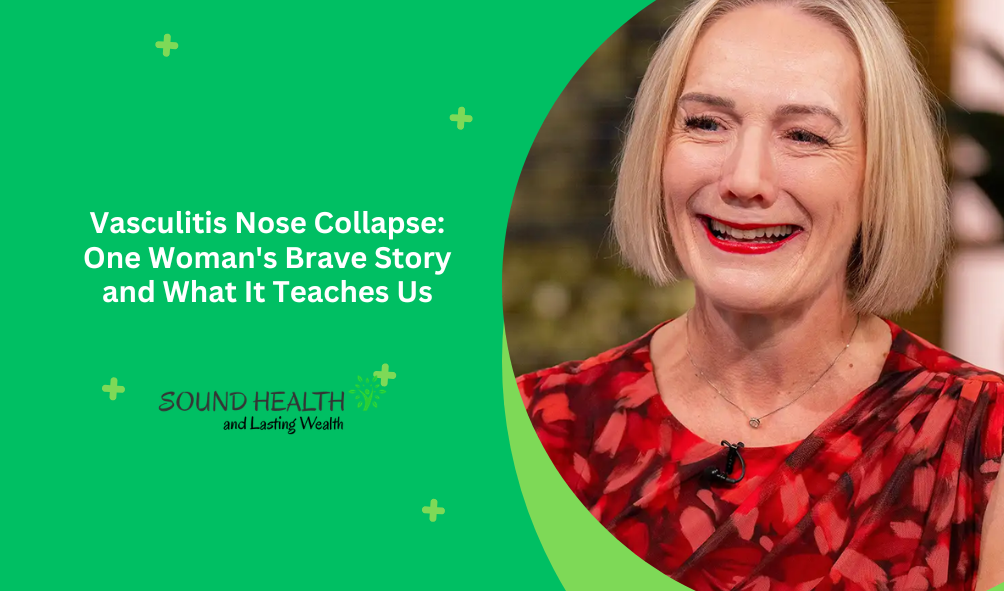

Some health stories stay with you, not because they are frightening, but because they are full of courage. That is exactly the case with a British woman whose vasculitis nose collapse led doctors to remove her nose entirely, and who now greets the world with a warm smile and a “selection” of custom prosthetic noses. Her message is simple and powerful: you can face the unthinkable and still build a wonderful life.
Jayne Hardman shared her journey on the ITV show This Morning, showing viewers how she attaches her prosthetic noses with magnets and how she has learned to embrace who she is. Her story is uplifting, but it also shines a light on a rare and serious disease that many people have never heard of.
This article explains what happened, what vasculitis is, how it can affect the nose, and what experts say about symptoms, diagnosis, and treatment. Most of all, it shows why early awareness matters and how hope can carry us through even the hardest chapters.
:max_bytes(150000):strip_icc():focal(722x303:724x305):format(webp)/Jayne-Hardman-073026-1-53c95a0f4bc341e9b6e9dce1baaed5c5.jpg)
Key Takeaways
- A woman named Jayne Hardman had her nose surgically removed after a rare disease called vasculitis caused it to collapse.
- She now wears custom silicone prosthetic noses that attach to her face using magnets.
- Vasculitis is a group of conditions where the immune system attacks blood vessels, causing inflammation and tissue damage.
- One form, granulomatosis with polyangiitis, often affects the nose, sinuses, ears, lungs, and kidneys.
- Early diagnosis and treatment are critical, because untreated vasculitis can be life-threatening.
- With modern treatment and prosthetics, many people manage the disease and live full, active lives.
Also Read | Testosterone and Heart Safety: What the TRAVERSE Study Shows
The Story Behind the Headlines
Jayne Hardman’s health journey began in 2012, in an unexpected way. Her mastiff jumped up and accidentally struck her in the face. Afterward, she noticed her nose looked and felt strange, with swelling and frequent nosebleeds.
In a surprising twist, she believes her dog may have saved her life. The bump drew attention to a problem that was already brewing beneath the surface: an undiagnosed case of vasculitis. She has said that without treatment, the disease can be fatal within a year, so that early warning proved crucial.
Over the next few years, Hardman says she was not on the best treatment plan. By 2017, the damage had progressed, and her nose had collapsed. The only option, doctors told her, was to remove it. She described how the nose had essentially sunk flat into her face.
What followed was one of the hardest stretches of her life. For roughly 18 months to two years, she lived without a nose. Going out in public was painful, not physically, but emotionally. People stared. Some asked intrusive and hurtful questions. For anyone with a visible facial difference, she explained, simply facing the world can feel overwhelming.
Then came a turning point. About six weeks after surgery, she received her first prosthetic nose, and she felt like herself again.
A “Selection” of Noses and a Positive Spirit
Here is where Hardman’s story turns from heartbreak to heart. She now owns several prosthetic noses, which she keeps in a wooden tea box. Each one is a silicone creation that attaches using small magnets embedded at the edges of her surgical site.
With her trademark humor, she described having different noses for different occasions, including a rosier one she jokingly wears after a glass of wine and a more tanned version for sunny days when her cheeks catch a little color. It is a lighthearted way of reclaiming something the disease tried to take from her.
Her overall outlook is what inspires so many. She says the experience taught her that she is incredibly strong and a happy, positive person. She is now in remission and receives ongoing treatment to keep the disease under control. Her message to others facing a facial difference is one of hope: there is light at the end of the tunnel, and life can still be wonderful.
What Is Vasculitis?
Vasculitis is not a single illness. It is a group of conditions in which the body’s immune system mistakenly attacks its own blood vessels. This causes inflammation that can narrow, weaken, or damage vessel walls.
According to the Cleveland Clinic, this immune attack can reduce blood flow and, in serious cases, lead to tissue and organ damage. Because blood vessels run throughout the entire body, vasculitis can affect almost any area, including the skin, joints, lungs, kidneys, nerves, and, as in Hardman’s case, the nose.
Vasculitis can range from mild to severe. Some forms are short-lived, while others are chronic and require long-term care.
The Type That Affects the Nose
One well-known form of vasculitis that commonly targets the nose is granulomatosis with polyangiitis, often shortened to GPA. It was previously called Wegener’s granulomatosis.
GPA is a rare autoimmune disease that affects small and medium blood vessels, most often in the upper respiratory tract, lungs, and kidneys. According to the Johns Hopkins Vasculitis Center and the Merck Manual, it frequently begins with nose and sinus symptoms, and it is a recognized cause of the collapse of the nasal bridge.
Please note: this article describes vasculitis in general terms for education. Only a qualified doctor can determine the exact type of vasculitis a person has.
Also Read | Prediabetes Can Double The Risk Of Having Heart Disease: Ways To Control The Outcome
Symptoms to Know
Vasculitis symptoms vary widely depending on which blood vessels and organs are involved. General warning signs can include:
- Fatigue and a general feeling of being unwell
- Fever
- Unexplained weight loss
- Aches in the muscles or joints
- Skin changes, such as a rash or spots
When vasculitis affects the nose and upper airway, as in GPA, symptoms may include:
- Persistent nasal congestion or a constantly runny nose
- Crusting inside and around the nose
- Frequent nosebleeds
- Sinus pain and ongoing sinus infections
- A hole forming in the wall between the nostrils
- Collapse of the nasal bridge, known as a saddle nose deformity
GPA can also affect the ears, causing repeated infections and possible hearing loss, and in serious cases the lungs and kidneys.
Why the Nose Can Collapse
The nose gets its shape from cartilage and bone. In diseases like GPA, ongoing inflammation can slowly destroy the cartilage that supports the nasal structure, especially the septum, which is the wall dividing the nostrils.
As that support breaks down, the bridge of the nose can sink inward, creating what doctors call a saddle nose deformity. In some cases, this happens gradually, and in others it can progress relatively quickly. This is the process that ultimately led to Hardman’s nose collapsing and needing removal.
Understanding this helps explain why early treatment matters so much. Catching the disease before major cartilage damage occurs can help protect the nose and other organs.
What Experts Say
Trusted medical organizations agree on several important points about vasculitis and GPA:
- Cleveland Clinic describes vasculitis as immune-driven inflammation of the blood vessels that can damage tissues and organs when left unchecked.
- Johns Hopkins Vasculitis Center notes that nasal crusting, nosebleeds, septal damage, and collapse of the nasal bridge are recognized features of GPA.
- The Merck Manual explains that GPA often begins in the upper respiratory tract, with the nose, sinuses, and ears among the first areas affected.
- The National Organization for Rare Disorders (NORD) highlights that early symptoms can resemble a bad cold or sinus infection, which is one reason diagnosis is sometimes delayed.
Medical literature also stresses that a large share of GPA patients first show ear, nose, and throat symptoms, sometimes with no obvious signs elsewhere. That makes awareness among both patients and clinicians extremely valuable.
Also Read | Swine Flu Virus Can Exacerbate Chronic Illnesses In Patients, Says Experts
How Vasculitis Is Diagnosed
Because symptoms can mimic common illnesses, diagnosis often involves several steps. A doctor may use:
- A physical exam and detailed history to look for patterns
- Blood tests, including tests for specific antibodies known as ANCA, which are linked to certain vasculitis types
- Urine tests to check for kidney involvement
- Imaging, such as CT scans of the sinuses or chest
- A biopsy, where a small tissue sample is examined for inflammation of the blood vessels
A biopsy is often the key to confirming the diagnosis, since it can reveal the specific inflammation that defines vasculitis.
Treatment Options
The good news is that vasculitis, including GPA, is treatable, and outcomes have improved dramatically over the years. Treatment usually has two goals: calm the immune attack quickly, then keep the disease from returning.
Calming the Disease
Doctors often start with medications that reduce inflammation and suppress the overactive immune response. These commonly include corticosteroids such as prednisone, frequently combined with other immune-modulating medicines like rituximab, cyclophosphamide, or methotrexate, depending on severity.
Maintenance and Monitoring
Once the disease is under control, many patients continue on maintenance treatment to prevent relapse. Regular checkups and blood tests help doctors watch for flares and adjust medications. This is why Hardman continues to receive ongoing treatment even in remission.
Managing the Effects
For those who experience lasting changes, such as nasal collapse, additional care may include reconstructive surgery or, as in Hardman’s case, custom facial prosthetics.
When to See a Doctor
See a healthcare provider if you have persistent sinus problems, frequent nosebleeds, unexplained fatigue, fever, or a rash that does not go away, especially in combination. Early evaluation can make a meaningful difference.
How Facial Prosthetics Work
Facial prosthetics are a remarkable blend of medicine and art. Specialists, sometimes called anaplastologists, create lifelike replacements for missing facial features using medical-grade silicone that is carefully matched to a person’s skin tone.
These prosthetics can attach in a few ways:
- Magnets connected to small implants or anchors at the surgical site
- Skin-safe adhesives
- Implant-supported systems for a secure fit
In Hardman’s case, magnets hold each nose in place, which lets her switch between prosthetics easily. Beyond appearance, these devices can restore confidence and help people feel comfortable in social settings again. Research on facial prosthetics consistently links them to improved quality of life and emotional well-being.
The Emotional Side of Facial Difference
Physical healing is only part of the journey. Living with a visible difference can bring stares, questions, and moments of self-doubt. Hardman spoke honestly about how hard it was to leave the house during the period before she received her prosthetic.
Mental and emotional support matters just as much as medical care. Helpful steps can include:
- Connecting with support groups for people with facial differences or rare diseases
- Speaking with a counselor or therapist
- Leaning on family and friends
- Sharing your story, when you feel ready, to build community and reduce stigma
Hardman’s willingness to speak openly, and even joke about her different noses, is a form of advocacy that helps others feel less alone.
Also Read | Is Your Tooth Pain from a Sinus Infection? Find Out Now!
Myth vs Fact
| Myth | Fact |
|---|---|
| Vasculitis is contagious. | It is not. It is an immune system condition, not an infection you can catch. |
| A collapsed nose only comes from injury. | Diseases like GPA can destroy nasal cartilage and cause collapse. |
| Vasculitis cannot be treated. | It is treatable, and many people reach remission with proper care. |
| Only older adults get vasculitis. | It can affect a wide range of ages, though some types are more common at certain ages. |
| Prosthetic noses look obviously fake. | Modern silicone prosthetics are custom-matched and highly realistic. |
| Facial differences mean a lower quality of life. | Many people live full, joyful lives, as Hardman’s story shows. |
Quick Summary Table
| Category | Key Points |
|---|---|
| Condition | Vasculitis, an immune attack on blood vessels; GPA often affects the nose |
| Symptoms | Nasal crusting, nosebleeds, sinus pain, fatigue, fever, possible nasal collapse |
| Causes | Autoimmune process; exact cause often unknown |
| Diagnosis | Blood tests (including ANCA), urine tests, imaging, biopsy |
| Treatment | Steroids and immune-modulating medicines, plus maintenance care |
| When to See a Doctor | Persistent sinus issues, frequent nosebleeds, unexplained fatigue or fever |
Frequently Asked Questions
1. What caused this woman’s nose to collapse?
A rare disease called vasculitis, which causes the immune system to attack blood vessels, led to inflammation and damage that collapsed her nose. It was later surgically removed.
2. What is vasculitis in simple terms?
It is a group of conditions where the immune system mistakenly attacks the body’s own blood vessels, causing inflammation that can damage tissues and organs.
3. Which type of vasculitis affects the nose?
Granulomatosis with polyangiitis, once called Wegener’s granulomatosis, commonly affects the nose, sinuses, ears, lungs, and kidneys.
4. What is a saddle nose deformity?
It is a collapse of the bridge of the nose that gives it a sunken appearance, often caused by damage to the nasal cartilage.
5. Is vasculitis life-threatening?
It can be if untreated, especially when it affects the lungs or kidneys. Early diagnosis and treatment greatly improve outcomes.
6. Can vasculitis be cured?
Many people reach remission with treatment, though some need ongoing maintenance therapy to prevent relapses.
Why This Story Matters
Jayne Hardman’s experience is more than a striking headline. It is a reminder that rare diseases are real, that early symptoms should never be ignored, and that the human spirit is remarkably resilient.
Her honesty helps raise awareness of vasculitis, a condition many people have never heard of until it touches their lives. And her humor and hope offer comfort to anyone facing a health challenge or a visible difference.
If her story teaches us anything, it is this: even when life takes an unexpected and difficult turn, it is still possible to carry on and build something wonderful.
A Note on Support
Living with a rare disease or a facial difference can affect both physical and emotional health. If you are navigating a similar journey, please know that support is available. Talk with your doctor about treatment and specialist referrals, and consider connecting with a counselor or a patient support group. This article is for general education and is not a substitute for professional medical advice.
Also Read | Swine Flu Virus Can Exacerbate Chronic Illnesses In Patients, Says Experts