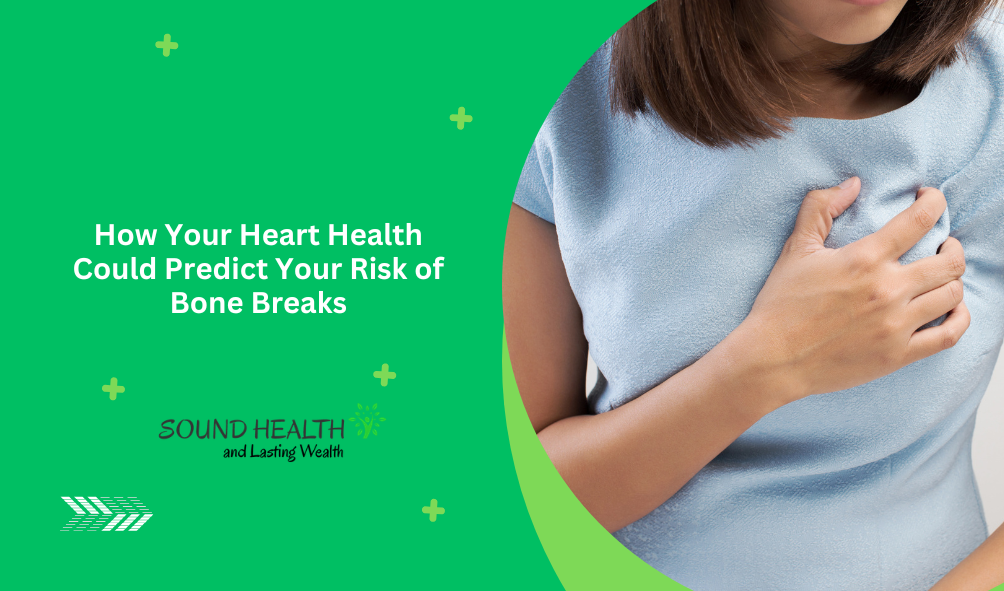

Your heart pumps life through your body, while your bones provide the sturdy frame that holds it all together. These two systems might seem worlds apart, but recent research reveals a tight connection. What harms one often weakens the other, putting you at risk for conditions like osteoporosis and cardiovascular disease. Understanding this bond can help you take simple steps to safeguard both.
“The link between heart health and bone health runs deeper than most people realize,” says JoAnn E. Manson, MD, chief of the Division of Preventive Medicine at Brigham and Women’s Hospital (BWH), a professor at Harvard Medical School, and coauthor of a key paper on the topic. Her work highlights shared risk factors that quietly erode both systems over time. A 2023 study in the Journal of Bone and Mineral Research backs this up, showing people with low bone density face a 25% higher risk of heart events.

Consider Sarah, a 52-year-old teacher who noticed fatigue and joint aches after years behind a desk. Her doctor linked her brittle bones to early heart strain, both stemming from habits she never connected. Stories like hers show why addressing these overlaps matters now.
What Risk Factors Harm Your Bones and Heart at the Same Time?
Shared threats accelerate damage to your cardiovascular system and skeletal structure. These factors, identified in Manson’s research and large cohort studies like the Women’s Health Initiative, increase fracture risk by up to 30% and heart disease odds similarly.
How Does Early Menopause Affect Heart and Bone Health?
Women entering menopause before age 45 lose bone mass faster due to dropping estrogen levels, which also stiffens arteries. A NIH study of 10,000 women found this group had 1.5 times higher coronary artery calcification.
Why Does a Sedentary Lifestyle Weaken Both Systems?
Skipping movement starves bones of stress needed for density and slows heart efficiency. Harvard data reveals inactive adults over 50 lose 1-2% bone yearly, alongside a 20% rise in heart failure risk.
-
Diabetes: High blood sugar inflames vessels and bones; Framingham Heart Study links it to 40% more hip fractures.
-
Obesity and body composition: Excess fat releases inflammatory cytokines that erode bone and plaque arteries. Those with high visceral fat see 15% denser arterial buildup per a 2024 Circulation report.
-
Smoking: Toxins leach calcium from bones and damage heart linings; smokers double their osteoporosis odds.
-
Inflammation: Chronic levels, from poor diet or stress, correlate with 22% higher bone loss and heart attacks per meta-analyses.
-
Heavy alcohol intake: Over three drinks daily depletes bone-building cells and raises atrial fibrillation by 10%, notes the American Heart Association.
These risks compound, tackle them early for lasting protection.
5 Proven Ways to Boost Heart and Bone Health Together
Simple changes yield big results. A Mediterranean diet trial showed 18% better bone density and 14% lower heart events after one year. Here are five evidence-backed strategies.
Quit Smoking and Limit Alcohol for Stronger Bones and Heart
Ditching tobacco restores bone calcium within months; ex-smokers cut heart risk by 50% in five years (CDC stats). Cap alcohol at one drink daily to avoid leaching minerals.
Walk More to Build Bone Density and Heart Strength
Aim for 30 minutes daily. Brisk walking increases hip bone density by 2% yearly (per JAMA) and lowers blood pressure like medication.
Adopt a Heart-Healthy Diet That Fortifies Bones Too
Prioritize leafy greens, nuts, and fatty fish for vitamin K, omega-3s, and calcium. This pattern slashes heart disease by 30% (PREDIMED study) while supporting bone remodeling.
Add Berries to Your Smoothie for Antioxidant Protection
Blueberries and strawberries combat oxidative stress harming both systems. A cup daily correlates with 12% less arterial stiffness and better bone markers (Nutrients journal).
Take Magnesium Before Bed to Support Heart Rhythm and Bone Formation
This mineral aids 300+ reactions, including bone mineralization and heart relaxation. 400mg nightly improved density in postmenopausal women by 3% (Osteoporosis International).
The Bottom Line on Boosting Heart and Bone Health
Protecting your heart fortifies your bones, and vice versa—small habits create a ripple effect. Start with one tip today, like a post-dinner walk, and track progress with your doctor. Studies confirm these steps reduce dual risks by 20-40%. Prioritize them for a resilient body that lasts.
Also Read | 11 Silent Diseases Women Must Know: Early Signs and Prevention Tips