
Imagine waking up tired even after a full night’s sleep, feeling hungry again an hour after a hearty meal, or noticing dark, velvety patches on your neck. These could be quiet warning signs of insulin resistance, a hidden metabolic condition affecting millions worldwide before it escalates to prediabetes or type 2 diabetes. Understanding what insulin resistance is, who’s most vulnerable, and how food can turn the tide is the first step toward reclaiming your health.
How Insulin Resistance Works: When Your Body Stops Listening to Insulin
Insulin is a hormone made by your pancreas that acts like a key, unlocking your cells so glucose (sugar) from food can enter and fuel your body. In a healthy system, blood sugar rises after eating, insulin is released, and cells absorb glucose efficiently.
In insulin resistance, fat, muscle, and liver cells stop responding properly to insulin’s “key.” Your pancreas compensates by pumping out even more insulin to force glucose into cells. Over time, this high-insulin state becomes unsustainable. Eventually, the pancreas can’t keep up, blood sugar stays elevated, and prediabetes develops, often progressing silently to type 2 diabetes if left unaddressed.
Think of it like a lock that’s gummed up: the key (insulin) keeps turning, but the door (cell) won’t open. Glucose builds up in the bloodstream while your cells starve for energy, leading to fatigue, cravings, and weight gain.
Who Is at Risk? Factors That Increase Your Chance of Insulin Resistance
Not everyone develops insulin resistance, but certain factors significantly raise your odds:
-
Excess body weight, especially abdominal fat around the waist
-
Sedentary lifestyle with little physical activity
-
Unhealthy diet high in processed carbs, sugary drinks, and trans fats
-
Family history of type 2 diabetes or metabolic syndrome
-
Age over 45, though it’s increasingly seen in younger adults and teens
-
Certain ethnic backgrounds, including African American, Hispanic, Native American, and Asian populations
-
Polycystic ovary syndrome (PCOS) in women
-
High blood pressure or abnormal cholesterol (low HDL, high triglycerides)
For example, Maria, a 42-year-old office worker in New York City, gained 15 pounds over three years despite “eating reasonably.” Her doctor later discovered she had insulin resistance linked to her mostly sedentary job and frequent consumption of white rice and sugary tea, common dietary patterns in the urban United States.
Insulin Resistance Symptoms to Watch For: Early Warning Signs You Might Ignore
Early insulin resistance often has no obvious symptoms, which is why it’s called a “silent” condition. However, as it progresses, subtle signs emerge:
-
Persistent fatigue even after rest, because cells can’t access glucose for energy
-
Increased hunger and cravings, especially for carbs, due to unstable blood sugar
-
Weight gain around the midsection that’s hard to lose despite dieting
-
Frequent thirst and urination as the kidneys work to flush out excess glucose
-
Darkened skin patches (acanthosis nigricans) on the neck, armpits, or groin, velvety and darker than the surrounding skin
-
Skin tags in folds of skin
-
Blurred vision from high blood sugar affecting the eyes
-
Tingling in the feet or hands is an early sign of nerve irritation
If you notice two or more of these signs, especially combined with abdominal obesity, it’s worth asking your doctor for a fasting insulin or glucose test.
The Best Foods to Eat If You Are Facing Insulin Resistance: Fuel That Stabilizes Blood Sugar
Diet is your most powerful tool to reverse insulin resistance. The goal is to choose foods that cause slow, steady rises in blood sugar rather than sharp spikes.

Load Up on Fiber-Rich Complex Carbohydrates
Swap refined grains for whole, unprocessed options that digest slowly:
-
Whole wheat, oats, brown rice, quinoa
-
Whole-grain breads and pastas
-
Barley, millet, bulgur, buckwheat, rye
These foods are packed with fiber, which slows glucose absorption and improves insulin sensitivity.
Prioritize Lean Proteins and Healthy Fats
Protein and fat help stabilize blood sugar and keep you full longer:
-
Lean chicken, turkey, fish (salmon, tuna, trout)
-
Beans, lentils, legumes
-
Nuts, seeds, and nut butters
-
Hard-boiled eggs, Greek yogurt (low-carb, high-protein), moderate cheese
Fatty fish like salmon provide omega-3s, which reduce inflammation linked to insulin resistance.
Eat Low-Carb, Colorful Vegetables, and Moderate Low-Sugar Fruits
Focus on non-starchy vegetables:
-
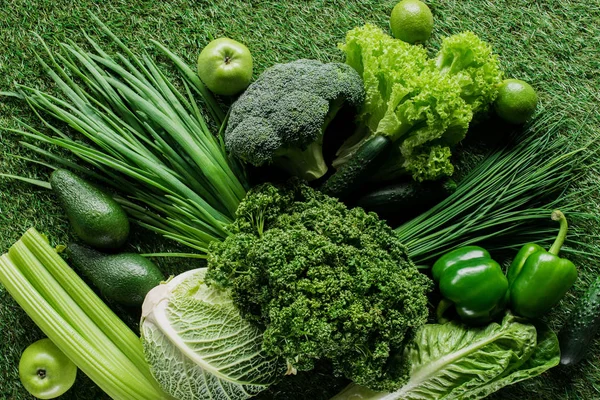
Broccoli, dark leafy greens, tomatoes, peppers, cucumbers, carrots
For fruit, choose lower-sugar options in moderation:
-
Berries (strawberries, blueberries, raspberries)
-
Watermelon, cantaloupe, peaches, and oranges in small portions
Avoid sugary drinks, white bread, pastries, and processed snacks that spike blood sugar rapidly.
Ignoring insulin resistance isn’t an option; it’s the gateway to serious, life-altering conditions. Without intervention, 70% of people with prediabetes progress to type 2 diabetes within 10 years. Beyond diabetes, untreated insulin resistance dramatically increases the risk of:
-
Heart disease and stroke (insulin resistance is a core component of metabolic syndrome)
-
High blood pressure and unhealthy cholesterol levels
-
Fatty liver disease
-
Certain cancers, including breast and colon cancer
-
Cognitive decline and increased dementia risk
The good news? Insulin resistance is reversible. Studies show that losing just 5–7% of body weight through diet and 150 minutes of weekly exercise can reduce diabetes risk by 58% – more than twice as effective as medication alone.
Your plate holds the power to change your trajectory. By choosing whole foods, moving your body, and catching signs early, you can restore your body’s sensitivity to insulin and prevent a lifetime of complications.
Also Read | Former England Captain Kevin Keegan Battles Stage 4 Cancer: Here’s What We Know