
Low blood pressure (hypotension) is defined as a reading below 90/60 mmHg, but the number alone does not determine danger. Many healthy women, particularly younger women, live with readings in the 85 to 95 systolic range without any problems. Blood pressure becomes dangerous when it drops low enough to reduce blood flow to the brain, heart, and kidneys, or when it falls suddenly from your normal baseline. Readings near or below 70/40 mmHg often signal poor organ perfusion and require urgent care. Women face unique hypotension risks from pregnancy, orthostatic intolerance, POTS (which affects women five times more often than men), menstrual hormonal shifts, and certain medications. This article covers the five warning signs that mean your low blood pressure needs attention, the thresholds that matter, and when to call 911.

Low Blood Pressure Is Not Always a Problem: But When It Is, It Matters Fast.
High blood pressure gets all the attention. Screening campaigns, medication guidelines, dietary programs, and urgent care protocols all center on hypertension. Low blood pressure is treated almost as an afterthought, something doctors mention casually or even compliment: “Your blood pressure is nice and low.”
For millions of women, that is true. Women’s average blood pressure readings tend to run a few points lower than men’s, which is why numbers like 105/65 or 97/64 show up regularly and usually mean nothing concerning.
But for others, low blood pressure is not a sign of health. It is a sign that the cardiovascular system is struggling to deliver enough blood where it needs to go. And the consequences of that failure, dizziness, fainting, organ damage, and, in severe cases shock, can develop rapidly.
Blood pressure becomes dangerously low for a woman when it drops to or below 90/60 mmHg and causes symptoms like dizziness, fainting, confusion, or chest pain. Readings near 70/40 mmHg often signal poor organ perfusion and require urgent medical care.
The key distinction, and the one most resources fail to make clearly enough, is that a low number without symptoms is usually harmless, while the same number with symptoms can be an emergency. A woman at 85/55 who feels fine may need no intervention. A woman at 95/65 who is dizzy, confused, and struggling to stand needs immediate evaluation.
Also Read | Yoga for High Blood Pressure: Lower Your Numbers by 4+ Points Fast
What Counts as Low Blood Pressure
| Category | Systolic / Diastolic | Clinical Significance |
|---|---|---|
| Normal | Around 120/80 mmHg | Healthy baseline for most adults |
| Naturally low (many women) | 90 to 110 / 60 to 70 mmHg | Common in healthy younger women; no treatment needed if asymptomatic |
| Hypotension | Below 90/60 mmHg | Warrants monitoring; treatment depends on symptoms |
| Mild hypotension | 80 to 90 / 50 to 60 mmHg | Often asymptomatic or causes only mild dizziness |
| Moderate hypotension | 70 to 80 / 40 to 50 mmHg | May trigger dizziness, lightheadedness, fatigue, nausea |
| Severe hypotension | Below 70/40 mmHg | Signals poor organ perfusion; urgent medical evaluation needed |
| Shock | Systolic below 60 mmHg | Life-threatening emergency; organs are failing to receive adequate blood flow |
Orthostatic hypotension is diagnosed when blood pressure drops by 20 mmHg or more systolic, or 10 mmHg or more diastolic, within three minutes of standing up.
5 Warning Signs Your Low Blood Pressure Is Dangerous
Warning Sign 1: Dizziness or Lightheadedness When You Stand Up
This is the most common and most frequently dismissed warning sign. You stand up from a chair, get out of bed, or rise from a crouching position, and the room tilts. Your vision darkens at the edges. You grab the nearest surface to steady yourself.
This is orthostatic hypotension, and the Cleveland Clinic defines it as a large drop in blood pressure, more than 20 mmHg systolic or 10 mmHg diastolic, that occurs when you stand up after sitting or lying down.
When you stand, gravity pulls blood toward your legs. A healthy cardiovascular system compensates within seconds by constricting blood vessels and increasing heart rate. In orthostatic hypotension, that compensation is delayed or inadequate, and the brain briefly loses adequate blood supply.
This condition affects many people over 60, especially those who live in long-term care facilities. It is also common among people who have been on bed rest or have recently given birth.
Why women are more affected: Hormonal shifts during menstruation, pregnancy, and menopause can all affect the baroreceptor response (the body’s blood pressure control mechanism). Dehydration, which women may be more susceptible to during menstruation and pregnancy, worsens the effect.
Also Read | Shingles Relief: Effective Treatments & Home Remedies
Warning Sign 2: Fainting or Near-Fainting Episodes
Syncope (fainting) occurs when blood pressure drops low enough that the brain does not receive sufficient oxygen. The body shuts down consciousness as a protective mechanism, which is why people who faint typically fall flat, allowing gravity to restore blood flow to the brain.
A single fainting episode from standing too quickly in the heat may be benign. Recurrent fainting, fainting without a clear trigger, or fainting accompanied by chest pain or palpitations requires medical evaluation.
The AHA lists fainting as a key symptom of dangerously low blood pressure and recommends immediate evaluation to rule out cardiac causes.
Why women are more affected: POTS (postural orthostatic tachycardia syndrome), which causes an excessive heart rate increase upon standing along with symptoms of orthostatic intolerance, affects an estimated one to three million Americans and is predominantly a condition of young women. Many POTS patients experience frequent near-fainting or full fainting episodes.
Warning Sign 3: Blurred or Tunneling Vision
When blood pressure drops, the eyes are among the first organs to show the effect. The retina requires consistent blood flow to function, and even brief reductions can cause vision to blur, darken, or narrow (tunnel vision). Some women describe seeing “stars” or “gray spots.”
This symptom typically occurs alongside dizziness or lightheadedness and serves as an early warning that the brain is not receiving adequate perfusion. If vision changes occur with standing, after meals, or during exercise, they should be reported to a doctor.
Also Read | Does Exercise Lower Your Blood Pressure? Experts Reveal the Best Workouts for a Healthy Heart
Warning Sign 4: Persistent Nausea and Overwhelming Fatigue
Chronic low blood pressure can produce a cluster of symptoms that are easily mistaken for other conditions: persistent nausea, extreme fatigue that is not relieved by rest, difficulty concentrating (brain fog), and a general sense of weakness.
These symptoms result from reduced blood flow to the gastrointestinal tract (nausea), the brain (fatigue, brain fog), and muscles (weakness). Because they overlap with iron deficiency anemia, thyroid disorders, depression, and chronic fatigue syndrome, low blood pressure is frequently overlooked as the cause.
Why women are more affected: Women with heavy menstrual periods may experience both anemia and dehydration simultaneously, compounding the blood pressure drop. Women in the first and second trimesters of pregnancy normally experience a blood pressure decrease as the cardiovascular system adapts to increased blood volume, but excessive drops can cause these same symptoms.
Warning Sign 5: Cold, Clammy Skin With a Rapid, Weak Pulse (This Is an Emergency)
This is not a gradual warning sign. It is the body in crisis.
Confusion, cold or clammy skin, rapid shallow breathing, and a weak rapid pulse may signal shock, a medical emergency.
When blood pressure falls to the point where organs are losing adequate perfusion, the body redirects what blood flow remains to the heart and brain. The skin becomes pale, cool, and moist. The pulse races but feels weak and thready because the heart is pumping faster but moving less blood with each beat.
Call 911 immediately if you observe these signs in combination. Causes include severe dehydration, significant blood loss, sepsis (blood infection), severe allergic reaction (anaphylaxis), and cardiac events.
Why Women Face Unique Low Blood Pressure Risks
Pregnancy
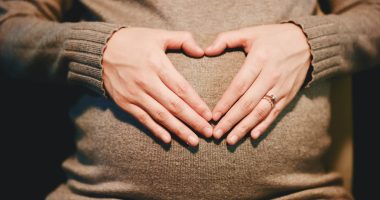
Blood pressure normally drops during the first and second trimesters as hormones relax blood vessel walls and the circulatory system expands to supply the placenta. A mild decrease is expected and usually harmless.
Pregnant women might see their blood pressure drop because of hormones and increased blood volume. While some changes are normal, excessive drops can cause dizziness and fainting and can cut off oxygen and nutrients to the baby.
“Maternal hypotension is a significant concern as it can impact fetal well-being. Monitoring and managing blood pressure is critical during pregnancy.”
POTS (Postural Orthostatic Tachycardia Syndrome)
POTS is a form of dysautonomia (autonomic nervous system dysfunction) in which the heart rate increases excessively upon standing (30 or more bpm increase within 10 minutes) without the blood pressure drop that defines orthostatic hypotension. However, many POTS patients experience blood pressure instability, and the symptoms, dizziness, fainting, fatigue, brain fog, nausea, palpitations, overlap significantly with hypotension.
POTS affects an estimated one to three million Americans and is predominantly a condition that affects women. The female-to-male ratio is approximately 5:1. Symptoms often begin between ages 15 and 50 and can be triggered by viral illness, surgery, pregnancy, or trauma.
Menstrual Cycle
Hormonal fluctuations across the menstrual cycle affect vascular tone and fluid balance. Some women experience measurable blood pressure drops during the luteal phase or during menstruation, particularly if they have heavy periods (menorrhagia) that cause fluid and iron loss.
Menopause and Medication Interactions
Certain medications commonly prescribed to women during and after menopause, including blood pressure medications, diuretics, antidepressants, and some hormone therapies, can lower blood pressure as a side effect. The combination of age-related baroreceptor decline and medication-induced hypotension makes older women particularly vulnerable to orthostatic and postprandial hypotension.
Eating Disorders
Chronic caloric restriction, purging, and dehydration associated with eating disorders can produce sustained hypotension. Anorexia nervosa, in particular, is associated with chronically low blood pressure, bradycardia (slow heart rate), and increased risk of cardiac complications.
When to Call 911
Call emergency services immediately if low blood pressure is accompanied by:
- Confusion or altered mental status
- Cold, clammy, or pale skin
- Rapid, shallow breathing
- A weak, rapid pulse
- Chest pain or pressure
- Difficulty breathing
- Loss of consciousness
- Signs of severe allergic reaction (swelling of face/throat, hives, difficulty swallowing)
- Known or suspected blood loss (after injury, surgery, or gastrointestinal bleeding)
These combinations suggest that blood pressure has dropped to a level that threatens organ function and may indicate shock, a cardiac event, or another life-threatening condition.
Also Read | Stress Relief Tips for Women Over 50: Quick & Easy Ways to Relax
When to See Your Doctor (Not an Emergency, But Not Normal)
Schedule a medical appointment if you experience:
- Recurrent dizziness or lightheadedness when standing
- Frequent episodes of near-fainting
- Chronic fatigue paired with blood pressure readings below 90/60
- Symptoms that worsen after meals (postprandial hypotension)
- A new pattern of low blood pressure that coincides with starting or changing a medication
- Low blood pressure with palpitations (may suggest POTS)
- Blood pressure readings that are dropping over time from your established baseline
Your doctor may order blood tests (CBC, thyroid, cortisol, electrolytes), an electrocardiogram (EKG), a tilt table test (for orthostatic hypotension and POTS evaluation), or an echocardiogram depending on your symptoms and history.
How to Manage Mild Low Blood Pressure at Home
For women with mildly low blood pressure that causes occasional symptoms but does not require emergency care:
- Increase fluid intake. Dehydration is the most common and most correctable cause of symptomatic hypotension. Aim for at least 8 cups (64 ounces) of water daily, and more if you exercise, live in a hot climate, or are menstruating.
- Add salt (if your doctor approves). Unlike hypertension, where salt restriction is key, mild hypotension may improve with a modest increase in sodium intake. Salt helps the body retain fluid and raises blood pressure. This is typically recommended only for women without heart failure or kidney disease.
- Stand up slowly. Sit on the edge of the bed for 30 seconds before standing. Rise from chairs gradually. This gives the baroreceptors time to adjust.
- Wear compression stockings. Knee-high or thigh-high compression stockings (15 to 20 mmHg or 20 to 30 mmHg) reduce blood pooling in the legs and improve venous return to the heart.
- Eat smaller, more frequent meals. Large meals divert blood to the digestive tract, which can cause postprandial hypotension (a blood pressure drop after eating). Smaller meals reduce this effect.
- Avoid alcohol. Alcohol dilates blood vessels and lowers blood pressure. For women who already run low, even one drink can trigger symptoms.
- Avoid standing for long periods. If standing is required (work, events), shift your weight, contract your calf muscles, and cross your legs periodically to push blood back toward the heart.
Myths vs. Facts About Low Blood Pressure in Women
| Myth | Fact |
|---|---|
| Low blood pressure is always healthier than high blood pressure. | Low blood pressure can cause fainting, organ damage, and shock when it drops below levels that maintain adequate perfusion. |
| Only the systolic number (top number) matters. | A diastolic reading below 60 mmHg can also cause symptoms and qualifies as hypotension. Both numbers matter. |
| Drinking more water always fixes low blood pressure. | Hydration helps when dehydration is the cause, but hypotension from cardiac problems, endocrine disorders, or autonomic dysfunction requires medical treatment. |
| Young women do not need to worry about low blood pressure. | POTS, a condition that disproportionately affects young women, causes significant orthostatic symptoms that can be debilitating. |
| If I do not faint, my low blood pressure is fine. | Chronic mild hypotension can cause persistent fatigue, brain fog, nausea, and reduced quality of life without producing fainting episodes. |
Also Read | Lower Blood Pressure Naturally with These 5 Supplements
Frequently Asked Questions
What is a dangerous low blood pressure for a woman?
Blood pressure below 90/60 mmHg with symptoms (dizziness, fainting, confusion, chest pain) is considered dangerous. Readings near or below 70/40 mmHg signal poor organ perfusion and require urgent medical care. A sudden drop from your normal baseline is more concerning than a stable low number.
Can low blood pressure cause fainting?
Yes. When blood pressure drops below the level needed to supply the brain with adequate oxygen, the body may lose consciousness as a protective mechanism. Recurrent fainting episodes require medical evaluation to rule out cardiac, neurological, or autonomic causes.
Why do women get low blood pressure more often?
Women’s average blood pressure runs slightly lower than men’s. Pregnancy, menstrual hormonal fluctuations, POTS (which affects women 5 times more often than men), dehydration from menstruation, and certain medications all contribute to higher rates of symptomatic hypotension in women.
What is POTS and why does it mostly affect women?
POTS (postural orthostatic tachycardia syndrome) is a form of autonomic dysfunction in which the heart rate increases excessively upon standing. It affects an estimated 1 to 3 million Americans and is approximately five times more common in women than men, often beginning between ages 15 and 50.
When should I go to the ER for low blood pressure?
Go to the emergency room if low blood pressure is accompanied by confusion, cold and clammy skin, rapid weak pulse, chest pain, difficulty breathing, or loss of consciousness. These combinations may indicate shock, a cardiac event, or another life-threatening condition.
Can medication cause dangerously low blood pressure?
Yes. Blood pressure medications, diuretics, antidepressants (especially SSRIs and tricyclics), alpha-blockers, and some Parkinson’s medications can all lower blood pressure as a primary or side effect. If a new or worsening pattern of low blood pressure coincides with a medication change, inform your prescribing doctor.
Expert Tips
- Know your baseline. A blood pressure of 85/55 is concerning for a woman whose usual reading is 120/75 but may be perfectly normal for a woman who has always run at 90/60. Context requires knowing your typical numbers. Check your blood pressure at the same time of day, in the same position, for five consecutive days to establish your personal baseline.
- Mention dizziness on standing to your doctor. Orthostatic hypotension and POTS are both underdiagnosed in women. Mentioning positional dizziness can prompt a tilt table test or orthostatic vital sign measurement that would otherwise not be performed.
- Hydrate before you stand. If you know you are prone to dizziness upon rising, drink a glass of water 15 to 20 minutes before you need to get up (especially in the morning). The fluid pre-load can raise blood pressure enough to prevent symptoms.
- Watch for patterns. Track when your symptoms occur: after meals (postprandial hypotension), upon standing (orthostatic), during your menstrual period (hormonal), or after exercise (exertional). The pattern tells your doctor which type of hypotension you have, which determines treatment.
- Do not dismiss chronic fatigue as “just being tired.” Persistent fatigue, brain fog, and nausea in a woman with blood pressure readings below 90/60 may not be stress, menopause, or depression. It may be your cardiovascular system running on insufficient pressure. A blood pressure log and a doctor’s visit can clarify.
Key Takeaways
- Low blood pressure is defined as below 90/60 mmHg, but the number alone does not determine danger. Symptoms plus the reading together define the risk.
- Readings near or below 70/40 mmHg signal poor organ perfusion and typically require urgent medical care.
- Five warning signs that low blood pressure is dangerous: dizziness when standing, fainting or near-fainting, blurred or tunneling vision, persistent nausea with overwhelming fatigue, and cold clammy skin with a rapid weak pulse (this last one is a 911 call).
- Women face unique hypotension risks from pregnancy, POTS (five times more common in women), menstrual hormonal shifts, and medication interactions.
- Orthostatic hypotension is diagnosed by a drop of 20 mmHg or more systolic or 10 mmHg diastolic within three minutes of standing.
- A sudden drop from your established baseline is more concerning than a stable low number that has always been your normal.
The Number That Matters Most Is the One That Changed
Most conversations about blood pressure focus on “too high.” This article exists because “too low” can be just as dangerous, and because women are disproportionately affected by the conditions that cause it.
The single most important thing you can take from this article is that a dangerous blood pressure is not defined by a cutoff alone. It is defined by what happens in your body at that number. An 85/55 that has been your reading for 20 years is your body’s normal. An 85/55 that was 120/78 last month is a red flag.
Know your baseline. Pay attention to what happens when you stand up. Tell your doctor about the dizziness you have been attributing to stress, dehydration, or “getting up too fast.” And if you ever see cold clammy skin, a racing but weak pulse, and confusion in yourself or someone near you, call 911 without hesitation. That combination is the body telling you it cannot maintain circulation on its own.
If you found this article useful, share it with a woman in your life who gets dizzy when she stands up and has never mentioned it to her doctor. You can also sign up for our newsletter for more evidence-based health content delivered to your inbox.
Also Read | What causes low blood pressure? SIX symptoms to look out for
References
American Heart Association. (2024). Low blood pressure: When blood pressure is too low. https://www.heart.org/en/health-topics/high-blood-pressure/the-facts-about-high-blood-pressure/low-blood-pressure-when-blood-pressure-is-too-low
Cleveland Clinic. (2026). Orthostatic hypotension: Symptoms & treatment. https://my.clevelandclinic.org/health/diseases/9385-low-blood-pressure-orthostatic-hypotension
Cleveland Clinic. (2026). Postural orthostatic tachycardia syndrome (POTS). https://my.clevelandclinic.org/health/diseases/16560-postural-orthostatic-tachycardia-syndrome-pots
Freeman, R., Wieling, W., Axelrod, F. B., et al. (2011). Consensus statement on the definition of orthostatic hypotension, neurally mediated syncope and the postural tachycardia syndrome. Clinical Autonomic Research, 21(2), 69-72. https://doi.org/10.1007/s10286-011-0119-5
GBC Health. (2026). What is a dangerous low blood pressure for a woman? Key risks and guidance. https://www.gbchealth.org/blog/what-is-a-dangerous-low-blood-pressure-for-a-woman/
Johns Hopkins Medicine. (2026). Postural orthostatic tachycardia syndrome (POTS). https://www.hopkinsmedicine.org/health/conditions-and-diseases/postural-orthostatic-tachycardia-syndrome-pots
Liv Hospital. (2026). What is a dangerous low blood pressure for a woman? https://int.livhospital.com/what-is-a-dangerous-low-blood-pressure-for-a-woman/
Premier Health. (n.d.). When to worry about low blood pressure. https://www.premierhealth.com/your-health/articles/women-wisdom-wellness-/when-to-worry-about-low-blood-pressure
Ubie Health. (2025). Dangerous low blood pressure for women: Warning signs to act now. https://ubiehealth.com/doctors-note/dangerous-low-blood-pressure-woman-threshold-47-bp123exp4
Viveve Health. (2026). What’s a dangerously low blood pressure for a woman? https://vivevehealth.com/blog/dangerous-low-blood-pressure-women/