
High blood pressure is a common and modifiable risk factor for heart disease and stroke. Recent research shows that regular yoga practice can reduce systolic blood pressure by more than four points, offering a safe, accessible complement to medications and lifestyle change. This article summarizes the evidence, explains how yoga helps lower blood pressure, and gives clear, practical steps to get measurable heart-health benefits. Read on for research-backed guidance, simple routines, and realistic tips you can use whether you are new to yoga or returning after a break.
What researchers found
What the PLOS Global Public Health review reported about yoga and blood pressure
A systematic review and meta-analysis published in PLOS Global Public Health examined randomized trials that compared yoga to usual care or active controls. The pooled results showed an average reduction in systolic blood pressure of a little more than four millimeters of mercury (mmHg), with consistent, though smaller, reductions in diastolic pressure. Effect sizes were strongest in programs that combined physical postures, breathing techniques, and relaxation or meditation rather than those that only included poses.
Key study details and statistics
-
Number of trials analyzed: multiple randomized controlled trials pooled in the review.
-
Average systolic reduction: approximately >4 mmHg.
-
Consistency: stronger results when yoga included pranayama (breathing) and guided relaxation.
-
Clinical relevance: A 4 mmHg fall in systolic blood pressure reduces risk of major cardiovascular events meaningfully across populations.
How researchers assessed quality and what that means for you
The review rated studies for risk of bias, sample size, and intervention fidelity. Trials with clear instructor training, standardized session duration, and consistent follow-up showed the most reliable outcomes. For readers, this means the blood pressure benefit is most likely when yoga is taught or guided, done regularly, and includes breathing plus relaxation components alongside movement.
Why yoga for high blood pressure works so well
Physiological mechanisms that lower blood pressure. Yoga influences blood pressure through multiple interacting pathways:
-
Nervous system balance: Slow breathing and relaxation shift autonomic tone away from sympathetic activation toward greater parasympathetic activity, lowering heart rate and vascular resistance.
-
Stress hormone reduction: Regular practice lowers cortisol and catecholamines, hormones that raise blood pressure when chronically elevated.
-
Vascular and endothelial improvements: Gentle movement and improved breathing can enhance blood vessel function and nitric oxide availability, supporting healthy blood flow.
-
Weight and metabolic effects: Yoga often improves physical activity levels and can support weight loss or metabolic health, indirectly reducing blood pressure.
Why combining breathing, relaxation, and movement matters
The PLOS review and other research found that integrated practices produce larger reductions than isolated stretching or light exercise. Breathing techniques (pranayama) produce immediate decreases in blood pressure and heart rate, while relaxation and meditation lower baseline stress reactivity over time. When combined with postures that gently engage muscles, the overall cardiovascular load is reduced and control systems become more resilient.
Psychological and behavioral advantages
Yoga builds skills that matter for blood pressure control: better sleep, less anxiety, improved self-regulation, and greater adherence to other healthy behaviors such as diet and medication. One clinical anecdote illustrates this: a 54-year-old patient who began twice-weekly yoga reported calmer mornings, lower home blood pressure readings, and fewer missed doses of antihypertensive medication because stress-related forgetfulness declined.
How to get the benefits of yoga for high blood pressure
Designing a safe, evidence-based yoga routine to lower blood pressure. Follow these practical principles to maximize benefit and safety:
-
Frequency: Aim for at least three sessions per week; daily short practices are ideal.
-
Duration: Sessions of 20 to 60 minutes are effective; consistency matters more than length.
-
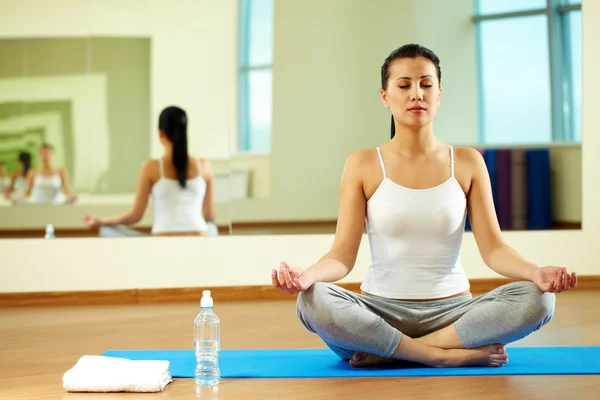
Components: Include asanas (gentle postures), pranayama (slow breathing), and guided relaxation or mindfulness.
-
Intensity: Keep movement moderate and avoid vigorous inversions or breath retention that could spike pressure.
-
Instruction: Start with a qualified instructor or medically informed program, especially if you have uncontrolled hypertension, heart disease, or other chronic conditions.
Step-by-step starter sequence (example)
-
Warm-up: 5 minutes of gentle joint mobility and walking in place.
-
Postures: 15–25 minutes of gentle standing and seated poses (e.g., mountain, cat-cow, warrior II at low effort, supported forward fold), holding poses with mindful breath.
-
Breathing: 5–10 minutes of slow diaphragmatic breathing or 4-6 breaths per minute patterns.
-
Relaxation: 5–10 minutes of guided body-scan or restful savasana with attention to slow exhalations.
Safety tips and medical considerations
-
Check with your healthcare provider before beginning, especially if you take multiple antihypertensives or have cardiovascular disease.
-
Take home blood pressure readings to track response; note time of practice and medications when measuring.
-
Modify practice when dizzy, lightheaded, or symptomatic. Avoid sudden standing from supine positions.
-
If you experience chest pain, fainting, or new severe shortness of breath, stop and seek immediate care.
Yoga classes, digital programs, and tracking progress
-
Choose programs labeled for therapeutic yoga or cardiac rehabilitation-friendly yoga.
-
Use apps or trackers to log sessions and blood pressure readings; aim to reassess after 8 to 12 weeks.
-
Group classes increase adherence and social support, while home practice adds convenience. Combining both often works best.
Yoga is simple step toward a healthier heart
How small, consistent actions add up for long-term cardiovascular health. A modest reduction in systolic blood pressure of four mmHg may seem small, but at a population level it translates into fewer heart attacks and strokes. For an individual, that shift is comparable to changes produced by dietary improvements or modest weight loss and contributes additively with other measures, such as sodium reduction, aerobic exercise, and medication adherence.
Yoga offers a practical, low-cost, and accessible strategy to lower blood pressure by more than four points on average when practiced regularly and with balanced breathing and relaxation. It works through physiological, behavioral, and psychological pathways and can be integrated into a broader heart-health plan under a clinician’s supervision. Ready to try a short, guided sequence tailored to high blood pressure?
Also Read | Fatty Liver Symptoms in Women Over 50: 8 Silent Signs Doctors Miss