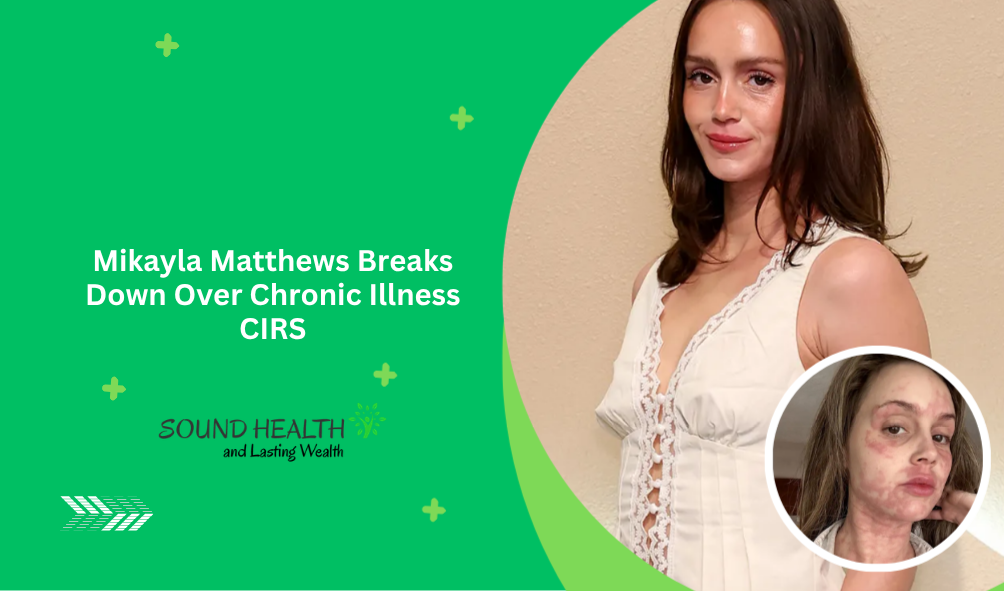

Mikayla Matthews is sharing an update on her chronic illness, and this time, the window into her life is rawer than ever. The Secret Lives of Mormon Wives star recently opened up about a painful flare‑up that hit just days after she returned to Utah from a brand trip to Costa Rica. In an emotional Instagram video posted on April 22, 2026, she teared up as she spoke about how chronic inflammatory response syndrome, or CIRS, has taken more from her than she ever imagined, and how simply going back to her home state can reignite her symptoms.
Her story is not just celebrity gossip; it’s a firsthand look at what life with a complex, often misunderstood chronic condition can feel like day‑to‑day. For fans who have followed her since she first hinted at mysterious health struggles in 2024, this latest moment is a reminder that living with illness isn’t a one‑time chapter, but an ongoing conversation with the body, the environment, and the self.
:max_bytes(150000):strip_icc():focal(742x416:744x418):format(webp)/Mikayla-Matthews-Chronic-Condition-031926-tout-eae040c64639490791fba3bf4263391d.jpg)
What Is Mikayla Matthews’ Chronic Illness?
In her recent posts, Matthews revealed that the name of her condition is chronic inflammatory response syndrome, or CIRS. She described it as a condition that is “brought on [by] prolonged exposures to toxins (mold),” meaning that her body has been reacting long‑term to environmental triggers she encountered over time.
Before she had the label, she had been living with mysterious symptoms for years: severe skin flare‑ups, full‑body nerve issues, and what one outlet described as an “all‑consuming” health battle that left her feeling like she was “barely surviving.” For many people, that delay between symptoms and diagnosis is painfully common in chronic‑illness journeys, which is why her decision to name CIRS carries so much weight.
Why Her Return to Utah Hit Her So Hard
In the April 22 video, Matthews shared that within two days of returning to Utah after a trip to Costa Rica, her CIRS symptoms came rushing back. She explained that she was proud of the progress she had made while away from home, better sleep, fewer flare‑ups, and more energy, but going back to the environment where exposure to mold and other toxins occurred felt like a step backward.
This fear is not just emotional; it’s grounded in how CIRS works. When the body has been injured by prolonged exposure to biotoxins (like mold, certain bacteria, or chemicals), it can stay stuck in a chronic inflammatory state, reacting to the same triggers over and over again. For Matthews, the idea of revisiting Utah isn’t just about geography; it’s about the risk of losing hard‑won health gains and plunging back into pain, fatigue, and isolation.
Also Read | Christina Applegate’s MS Journey: Selma Blair’s Diagnosis Push Revealed
How CIRS Has Taken Away Her Happiness
In past posts, Mikayla has said that her illness has “ruined everything in [her] body, nerves, skin, hair, brain, gut, liver, hormones, and more.” She has also admitted that, for about a year and a half, she could not even look people in the eye, worried they would notice her skin issues, and that she is only now beginning to slowly rebuild that comfort.
Her tears in the new video underscore how much has been stripped away: moments with her four children, the ability to work consistently, and the simple joy of feeling like herself. She has spoken about “mom guilt” eating her alive, describing how hard it is to show up as a mother when her body is constantly at war. Statistics on chronic illness show that many patients experience similar emotional tolls: a 2021 review of chronic disease and mental health found that people with long‑term conditions are at significantly higher risk of anxiety and depression than the general population.
What Mikayla’s Candidness Means for Patients
By naming her condition as CIRS and explaining how it was brought on by prolonged exposure to mold and other toxins, Matthews is doing something powerful for others with similar experiences. Many people with chronic inflammatory and mold‑related illnesses report feeling dismissed for years, told their symptoms are “all in their head” or wrongly lumped under generic labels like “fatigue” or “allergies.”
Her openness also highlights how public figures can shape conversations about health. When someone with a large platform talks about getting tested for 90 different allergens, or about going to appointment after appointment without answers, it normalizes the frustration many patients feel. It can encourage others to ask more questions, advocate for better testing, and treat their own bodies with more compassion when official answers are slow to come.
What Chronic Patients Can Learn From Her Story
While every person’s journey is different, there are lessons that other chronically ill viewers can take from Matthews’ experience:
-
Triggers matter. Like her fear of returning to Utah, many patients find that certain environments, foods, or routines can quietly tip their bodies back into flare‑ups.
-
Emotional pain is real. Losing the ability to parent, work, or socialize the way you used to can feel like grief, and that deserves recognition and support.
-
Naming the condition helps. For some, a diagnosis, even if it is complex, can be a turning point, giving them something to research, discuss with doctors, and build a management plan around.
Her story also reminds us that “progress” with chronic illness isn’t always linear. Flare‑ups can happen even after you think you’ve turned a corner, and that doesn’t mean the work has been wasted. It just means the body is still healing, and the environment around it still needs to be treated with care.
Final Thoughts: More Than Just a Celebrity Update
Mikayla Matthews’ emotional breakdown isn’t just a headline; it’s a window into the reality of living with chronic inflammatory response syndrome. By explaining that her illness is CIRS, triggered by prolonged exposure to toxins like mold, she has attached a medical label to what many people have silently suffered for years.
Her fear of returning to Utah, her frustration with missing out on simple family moments, and her raw honesty about feeling like she is “barely surviving” all point to a bigger truth: chronic illness isn’t just about symptoms, it’s about losing pieces of who you thought you were. For viewers watching, her vulnerability may help them feel less alone and more empowered to ask, listen, and advocate for a better understanding of conditions like CIRS in the years to come.
Also Read | Geneen Roth’s 6 Steps to End Emotional Eating Forever