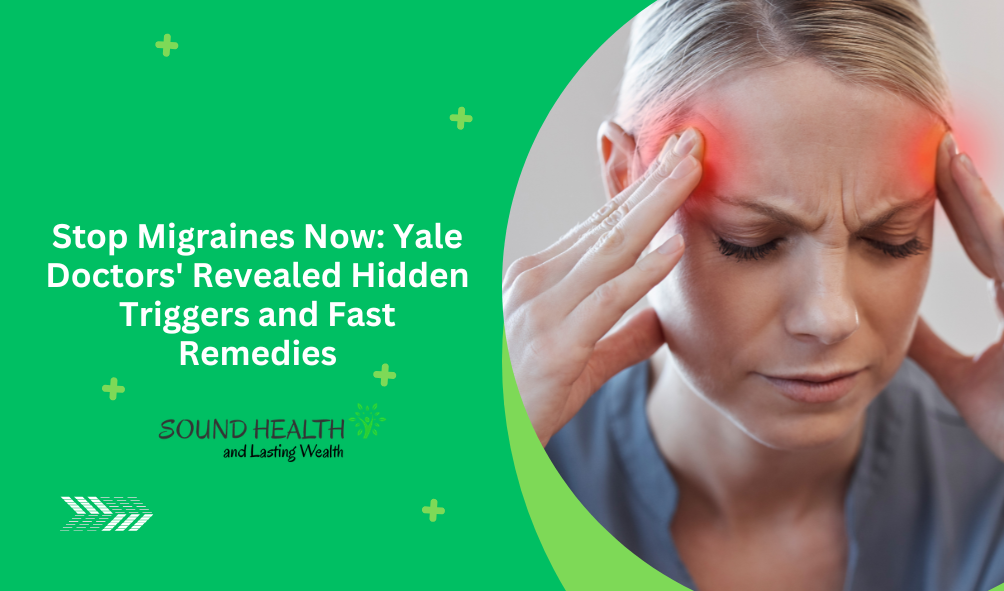

Migraines are more than “just a bad headache.” They are a neurological condition that can bring throbbing head pain, nausea, light sensitivity, and sometimes aura, and Yale Medicine notes that about 42% of people with migraine have a family history, which points to a strong genetic link. The good news is that many attacks can be managed more effectively once you understand what sets them off and which treatments help fastest.

What Are Migraines?
A migraine is a recurring brain and nerve disorder that often causes moderate-to-severe head pain, usually on one side, though it can affect both sides. Yale Medicine describes migraine as linked to abnormal activation of the trigeminal nerve, which helps explain why the pain can feel intense and hard to ignore.
This disorder disrupts daily life, with episodes frequently accompanied by nausea, vomiting, or sensitivity to light and sound. Those recurrent attacks, which this article addresses next, stem from brain activity changes that experts like Yale’s specialists link to specific triggers.
Common Triggers of Migraine Attacks
Certain factors consistently set off episodes. Stress tops the list, as tense situations release chemicals that inflame nerves.
Hormonal shifts in women, especially during menstrual cycles, play a major role too. Other culprits include skipped meals, poor sleep, and even weather pressure drops, which a Yale doctor notes as underrecognized instigators.
-
Processed foods with additives like MSG.
-
Bright lights or loud noises.
-
Excessive caffeine or alcohol.
Migraine Symptoms to Watch For
Early signs often appear before the pain peaks. You might notice flashing lights or zigzag patterns, known as aura, in about 25% of cases. Signs and symptoms of the prodromal phase include:
- Excessive yawning
- Concentration difficulties
- Irritability
- Gastrointestinal disturbances
The aura phase, on the other hand, can temporarily cause symptoms such as:
- Visual disruptions, including seeing “stars”, zig-zags or sparks in your vision
- Numbness or tingling in the body
This phase typically lasts five to 60 minutes, according to the American Migraine Foundation. Sensitivity to smells or movement follows, forcing many to retreat to dark rooms; these signals demand attention to halt progression.
Types Of Migraines
There are several migraine types, and knowing them can make the diagnosis clearer. Chronic migraine is defined by frequent episodes, often more than 15 headache days per month, while menstrual migraine follows hormonal patterns linked to the menstrual cycle. Other types include hemiplegic migraine, abdominal migraine, vestibular migraine, and migraine with brainstem aura, each with its own symptom pattern.
What Causes Migraines?
The exact cause is still not fully understood, but experts believe migraine develops from a mix of brain chemistry, nerve activity, genetics, and environmental triggers. Here is a clearer breakdown of the main factors.
Hormone Changes
Hormonal shifts are a major reason migraines affect many women, especially around menstruation, pregnancy, or menopause. These shifts can influence how sensitive the brain becomes to pain signals and can make attacks more predictable for some people.
Lifestyle Changes
Sleep disruption, skipped meals, dehydration, too much or too little caffeine, and overexertion can all raise the chance of an attack. This is why migraines often appear after a hectic week rather than during a calm one, when routines are more stable. Small daily habits matter because the brain tends to react to sudden changes more than to one isolated event.
Stress
Stress is one of the most commonly reported migraine triggers, and both emotional strain and the “let-down” after stress can set off an episode. In real life, this might happen after a deadline, family conflict, or even after finally finishing a big project, when the body shifts from tension to release. That pattern helps explain why some attacks seem to arrive just as life starts to slow down.
Genetics
Migraine often runs in families, and Yale Medicine says about 42% of people with migraine have a family history. Genetics do not guarantee migraines, but they can make the nervous system more vulnerable to the triggers that others tolerate more easily. In other words, family history can load the gun, while the environment often pulls the trigger.
Treatment And Management
Migraine treatment usually falls into two groups: acute treatment for attacks already in progress and preventive treatment to reduce future attacks. Acute options may include over-the-counter pain relievers or prescription medicines, while preventive options may be recommended when attacks are frequent or disabling. A clinician may also suggest keeping a migraine diary to identify patterns, since tracking meals, sleep, stress, and symptoms often
Home And Natural Remedies
Several non-drug strategies may help ease migraine pain or shorten an attack, especially when used early. Common options include resting in a dark, quiet room, drinking water, using cold packs, sleeping if possible, and limiting sensory stimulation. Some people also report benefits from magnesium, riboflavin, ginger, yoga, acupuncture, massage, and stress-management practices, though results vary from person to person.
How To Prevent Episodes
Prevention starts with consistency, because migraine-prone nervous systems often dislike sudden changes. Aim for regular sleep, regular meals, good hydration, and realistic stress control, while reducing exposure to personal triggers such as bright light, strong odors, or skipped caffeine. A migraine diary can be especially useful because it turns guesswork into patterns, and patterns are easier to manage than surprises.
When To See A Doctor
See a doctor if migraines happen often, are getting worse, interfere with work or family life, or do not improve with basic treatment. You should also seek care right away for a sudden severe headache, new weakness, speech trouble, confusion, or any new neurological symptom. Early medical guidance matters because migraine is treatable, and the right plan can reduce both pain and disruption.
Summary
Migraines are a complex neurological condition shaped by genes, nerves, hormones, stress, and lifestyle habits. Once you identify personal triggers and use the right combination of acute care, prevention, and home remedies, attacks often become easier to control. The most effective approach is usually the simplest one: spot patterns early, respond quickly, and keep your routine steady.
Also Read | Hantavirus Symptoms You Should Never Ignore: Cruise Outbreak Alert