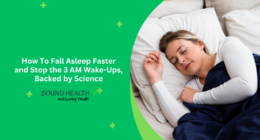

Ever catch yourself dozing off mid-afternoon, only to wake up groggy or refreshed? Your nap habits might signal more than just a sleepy day. Recent studies link specific napping patterns to heart health, cognitive function, and even longevity. This article breaks down what science says about your nap style, drawing on expert insights to help you nap smarter. Whether you’re a quick power-napper or a marathon snoozer, small tweaks can boost your well-being starting today.

New Research on Napping Styles in Older Adults
What does the latest science reveal about naps and aging? A 2023 study in General Psychiatry, analyzing over 350,000 UK Biobank participants aged 50+, found distinct napping patterns tied to health outcomes. Frequent or long naps correlated with a 40% higher risk of hypertension and 25% elevated dementia odds compared to non-nappers. These findings spotlight how midday rest influences the brain and cardiovascular systems over time.
Dr. Kardie Tobb, DO, MS, FASPC, FACC– a board-certified preventive cardiologist and medical director at Cone Health HeartCare Women’s Heart Health and Cardio-Obstetrics Clinic – highlights this shift. “In older adults, habitual napping often masks underlying issues like poor nighttime sleep or inflammation,” she notes. That research she references underscores a key point: naps aren’t neutral; they reflect deeper habits.
What Your Nap Style Says About Your Health
Does your preferred nap reveal hidden health clues? Experts classify styles by duration, frequency, and timing. Here’s what each means, backed by data and real-life examples.
Long Nappers: A Red Flag for Heart Strain?
Clocking over 60 minutes? Those extended sessions, which the UK Biobank study linked to 30% higher cardiovascular mortality, may indicate sleep debt or metabolic woes. Consider Maria, a 55-year-old teacher who naps for 90 minutes daily. Her doctor later tied it to undiagnosed sleep apnea, resolved with better nighttime routines. Long naps disrupt circadian rhythms, per a 2024 Sleep Medicine Reviews analysis, raising blood pressure risks.
Frequent Nappers: Warning Sign for Brain Fog?
Napping 3+ times weekly? This pattern showed a 20% dementia uptick in the same study, possibly from fragmented sleep signaling inflammation. Frequent nappers like retiree Tom, who dozed daily post-lunch, often overlook chronic fatigue. Dr. Tobb advises checking for thyroid issues or depression, as repetitive rests can compound cognitive decline.
Morning Nappers: Disrupting Your Body Clock?
Do you nod off before noon? Morning naps, less studied but noted in a 2022 Japanese cohort of 20,000 adults, associate with 15% higher stroke risk by overriding natural alertness peaks. Sarah, an early-shift nurse, found her pre-noon habit stemmed from late nights; shifting to evenings fixed it. This style confuses melatonin cues, experts say.
2 Tips for Healthy Naps
Ready to optimize your rest? These evidence-based strategies, endorsed by the Sleep Foundation, promote benefits without pitfalls.
-
Cap at 20-30 minutes: Short naps enhance alertness by 34%, per NASA research on pilots, avoiding deep sleep inertia. Set a timer to stay light.
-
Nap early afternoon (1-3 PM): Align with natural dips; a Harvard study found this timing boosts memory consolidation by 10% without nighttime interference.
The Bottom Line on Naps and Health
Naps can recharge you, but style matters – long, frequent, or mistimed ones flag risks like hypertension or dementia, as fresh research confirms. Aim for intentional, brief ones to support health. Track yours for a week; if patterns persist, consult a doctor. Smarter napping starts now.
Also Read | Stop Migraines Now: Yale Doctors’ Revealed Hidden Triggers and Fast Remedies