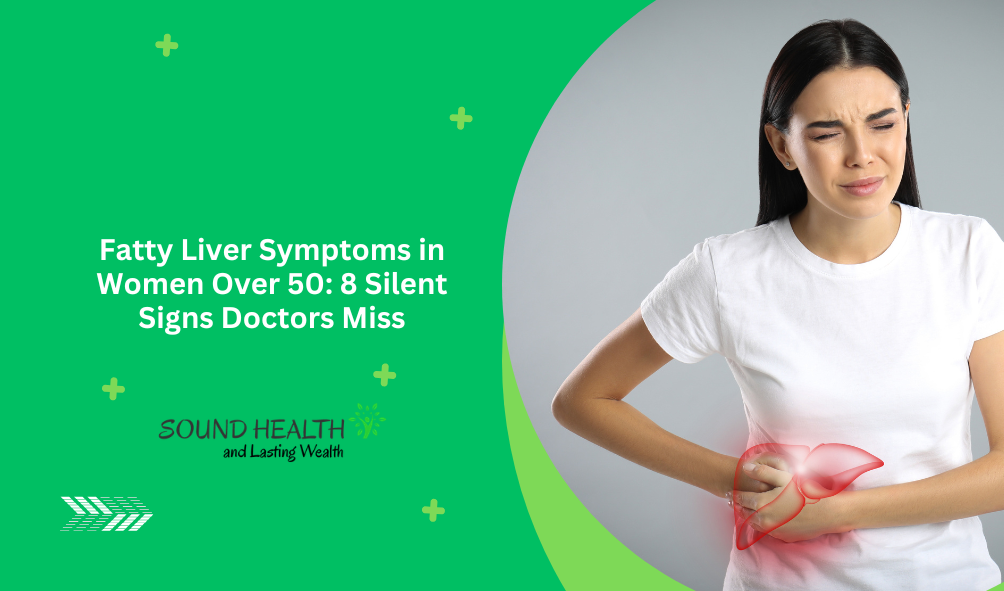

Fatty liver disease often progresses quietly, and for women over 50, the signs can be subtle. Doctors say many symptoms are easy to miss because they overlap with aging, menopause, or common conditions such as stress and sleep disruption. This article highlights eight symptoms women and their clinicians should watch for, explains why risk rises after 50, and outlines practical steps to reverse or manage the condition. The goal is clarity: recognize warning signs early, ask the right questions at medical visits, and take realistic actions that protect liver health.

What is fatty liver disease?
Fatty liver disease occurs when excess fat accumulates in liver cells. When this buildup is minor and not associated with significant inflammation, it is called simple steatosis. If fat accumulation causes inflammation and damage, the condition becomes steatohepatitis, which can progress to fibrosis and cirrhosis. Two main types exist:
- Nonalcoholic fatty liver disease (NAFLD): fat buildup not due to heavy alcohol use.
- Alcohol-related fatty liver disease: caused by excessive alcohol intake.
NAFLD affects roughly 25 to 30 percent of adults worldwide and is the most common chronic liver condition. In clinical practice, many women first learn they have fatty liver after abnormal liver blood tests or incidental findings on ultrasound. Early recognition matters because the liver can recover when lifestyle and medical factors are addressed.
What causes fatty liver disease?
Fatty liver develops when the balance of fat acquisition, production, and clearance in the liver is disrupted. Common contributors are:
- Insulin resistance and type 2 diabetes.
- Overweight and obesity, especially central fat distribution.
- High blood triglycerides and low HDL cholesterol.
- Certain medications, rapid weight loss, and some medical conditions (e.g., hypothyroidism).
- Excessive alcohol use for alcohol-related disease.
Genetics also influences susceptibility; for example, variants in the PNPLA3 gene raise risk. Inflammation, oxidative stress, and changes in gut microbiota further drive progression from simple fat accumulation to liver cell injury. This multifactorial picture is why clinicians assess metabolic health, medications, family history, and lifestyle when evaluating a patient.
The menopause link: why risk rises after 50
Menopause creates a biological shift that affects liver health. Declining estrogen levels change fat distribution, so more visceral fat accumulates around organs. That increase in central adiposity is strongly linked to insulin resistance, which makes the liver more likely to store fat. Women after menopause also experience higher blood pressure, worsening lipid profiles, and changes in glucose tolerance, all risk factors for NAFLD.
Research shows the prevalence of NAFLD increases with age among women, peaking in postmenopausal years. One study found that women over 50 have a significantly higher rate of fatty liver than premenopausal women with similar body mass indexes. Clinically, this means menopausal status is an important piece of the patient history when assessing liver risk, and it explains why symptoms may appear or worsen after 50.
Symptoms of fatty liver in women: 8 signs doctors say are easy to miss after 50
Why these eight symptoms matter: many are nonspecific and attributed to aging or menopause, yet they can signal liver stress when seen together or with metabolic risk factors.
Persistent fatigue that feels different
Fatigue from fatty liver is often described as persistent low energy that does not improve with short rest. It may affect daily activities and concentration. Because fatigue is common in midlife due to stress, sleep changes, or menopause, it is often dismissed; ask whether energy levels are clearly worse than before and whether fatigue follows exertion.
Unexplained weight gain, especially around the middle
A modest but steady increase in waist size despite no major changes in diet or activity can indicate accumulating visceral fat. This pattern raises the chance of insulin resistance, a core driver of fatty liver.
Mild right upper abdominal discomfort or fullness
Women may report vague pressure or discomfort under the right rib cage. It is usually mild but persistent. Because the liver has few pain nerves, symptoms can be subtle and intermittent.
Changes in sleep and mood
Sleep fragmentation, daytime sleepiness, and mood changes such as greater irritability or low mood can coexist with fatty liver. These symptoms often overlap with menopausal changes, so clinicians consider them alongside metabolic markers and liver tests.
Abnormal routine blood tests
Slightly elevated liver enzymes such as alanine aminotransferase (ALT) or aspartate aminotransferase (AST) are common early clues. Many women have mild elevations that are overlooked if values are near-normal. Persistent abnormalities prompt imaging or specialist referral.
Unexplained high triglycerides, low HDL, or insulin resistance
Lab abnormalities in lipids and glucose metabolism often accompany fatty liver. If triglycerides are elevated or HbA1c shows prediabetes without a clear cause, consider liver screening. These metabolic signs can be more telling than symptoms alone.
Skin changes such as xanthelasma or darkened skin folds
Small yellowish cholesterol deposits on eyelids (xanthelasma) or acanthosis nigricans (darkened, velvety patches in skin folds) may reflect underlying dyslipidemia and insulin resistance. While not specific to liver disease, they add weight to clinical suspicion.
Digestive complaints and appetite changes
Mild indigestion, bloating after meals, or decreased appetite may occur. Women sometimes link these to menopause or gastric issues; when present with other signs, they deserve evaluation.
Fatty liver disease can be reversed: good news and limits
Early fatty liver and mild steatohepatitis are often reversible with targeted interventions. Lifestyle changes that reduce liver fat by 5 to 10 percent can improve inflammation and even reverse fibrosis at early stages. For example, a weight loss of 7 to 10 percent of body weight produces meaningful histologic improvement in many patients with NAFLD.
However, reversal is less certain when advanced fibrosis or cirrhosis has developed. That is why early recognition and sustained action are critical. Regular follow-up, repeat labs, and imaging when indicated help track response.
Fatty liver disease treatment options that work
Effective management combines lifestyle measures, possible supplements, sleep hygiene, and, in some cases, medication. Below are practical, evidence-based steps clinicians advise.
Eat foods good for fatty liver: dietary choices that reduce liver fat
- Emphasize whole foods: vegetables, fruits, whole grains, legumes, nuts.
- Prioritize lean proteins and fatty fish rich in omega-3 fatty acids (salmon, mackerel).
- Choose olive oil and avoid trans fats and highly processed foods.
- Reduce added sugars and refined carbohydrates; sugary drinks are a key driver of liver fat.
- Consider a Mediterranean-style pattern, which studies link to lower liver fat independent of weight loss.
Move a little more: activity that helps the liver
- Aim for at least 150 minutes per week of moderate aerobic activity (walking, swimming) plus twice-weekly resistance training.
- Even modest increases in daily movement – short walks after meals, taking stairs- improve insulin sensitivity and reduce liver fat.
- Example: three 10-minute brisk walks daily can produce benefits for people with busy schedules.
Consider these supplements for fatty liver: what evidence supports their use
- Omega-3 fatty acids: may reduce triglycerides and liver fat; evidence supports benefit for steatosis, though not a cure.
- Vitamin E: shows benefit in select non-diabetic patients with NASH when prescribed and monitored by a clinician.
- Milk thistle (silymarin): studied for liver protection, with mixed results; discuss with your doctor to avoid interactions.
- Probiotics: early data suggest modest effects on liver enzymes and inflammation, related to gut-liver axis modulation.
Mind your meals and sleep: timing and rest matter
- Regular meal timing and avoiding late-night heavy meals help metabolic control.
- Address sleep disorders, including sleep apnea, because poor sleep worsens insulin resistance and liver outcomes.
- Small practical steps: consistent bedtime, screen-free wind-down, and screening for obstructive sleep apnea if symptoms like loud snoring and daytime sleepiness occur.
Ask your doctor about medication for fatty liver disease
Currently, no medication is approved specifically for NAFLD in all patients, but several treatments are used off-label or in trials depending on disease stage:
- For metabolic comorbidities: statins for dyslipidemia and metformin for diabetes when indicated; both help cardiovascular risk but do not directly reverse NASH.
- Vitamin E and pioglitazone have evidence for improving steatohepatitis in selected patients; side effects and patient profile determine suitability.
- Newer agents targeting inflammation, fibrosis, and metabolic pathways are in late-stage trials and may become options soon.
- When liver enzymes or imaging suggest advanced disease, referral to a hepatologist is appropriate for consideration of biopsy, staging, and advanced therapies.
Practical steps to discuss with your clinician
At your next visit, bring clear, concise information:
- A list of symptoms and when they started.
- Recent weight and waist changes.
- Current medications and supplements.
- Lab results if available: lipid panel, liver enzymes, HbA1c.
- Questions about imaging (ultrasound, FibroScan) and whether referral to a liver specialist is warranted.
Takeaway: notice small changes and act early
For women over 50, small, nonspecific changes in energy, waist size, mood, sleep, and routine labs can point toward fatty liver disease. Because early disease is often reversible, mention these signs to your clinician, prioritize metabolic health, and follow evidence-based lifestyle steps. Coordination between primary care, gynecology, endocrinology, and hepatology ensures thorough assessment and access to evolving treatments.
Also Read | How Your Dreams Reveal Sleep Quality: Signs to Watch Tonight