Sound health and lasting wealth
  • Home
  • Wellness
  • Health
    • Children’s Health
    • Men’s Health
    • Women’s Health
  • Diseases
  • Health News
    • COVID-19
  • Nutrition
  • Food
  • For you
    • People
    • Shalw Gist
    • Celebrity Healtth
  • Advertise Here
Sound health and lasting wealth
  • Home
  • Wellness
  • Health
    • Children’s Health
    • Men’s Health
    • Women’s Health
  • Diseases
  • Health News
    • COVID-19
  • Nutrition
  • Food
  • For you
    • People
    • Shalw Gist
    • Celebrity Healtth
  • Advertise Here
  • Health

Stop Hair Loss by Embracing Healthy Habits

  • One comment
Total
0
Shares
Share 0
Tweet 0
Pin it 0
Stop Hair Loss by Embracing Healthy Habits
Up next
Puffy Eyes Remedies: Natural Solution To Get Rid Of Under-Eye Bags
Published on 05 December 2019Updated on 07 August 2024
Author
shalw
Tags
  • Hair care,
  • Hair Loss
Share article
The post has been shared by 0 people.
Facebook 0
X (Twitter) 0
Pinterest 0
Mail 0
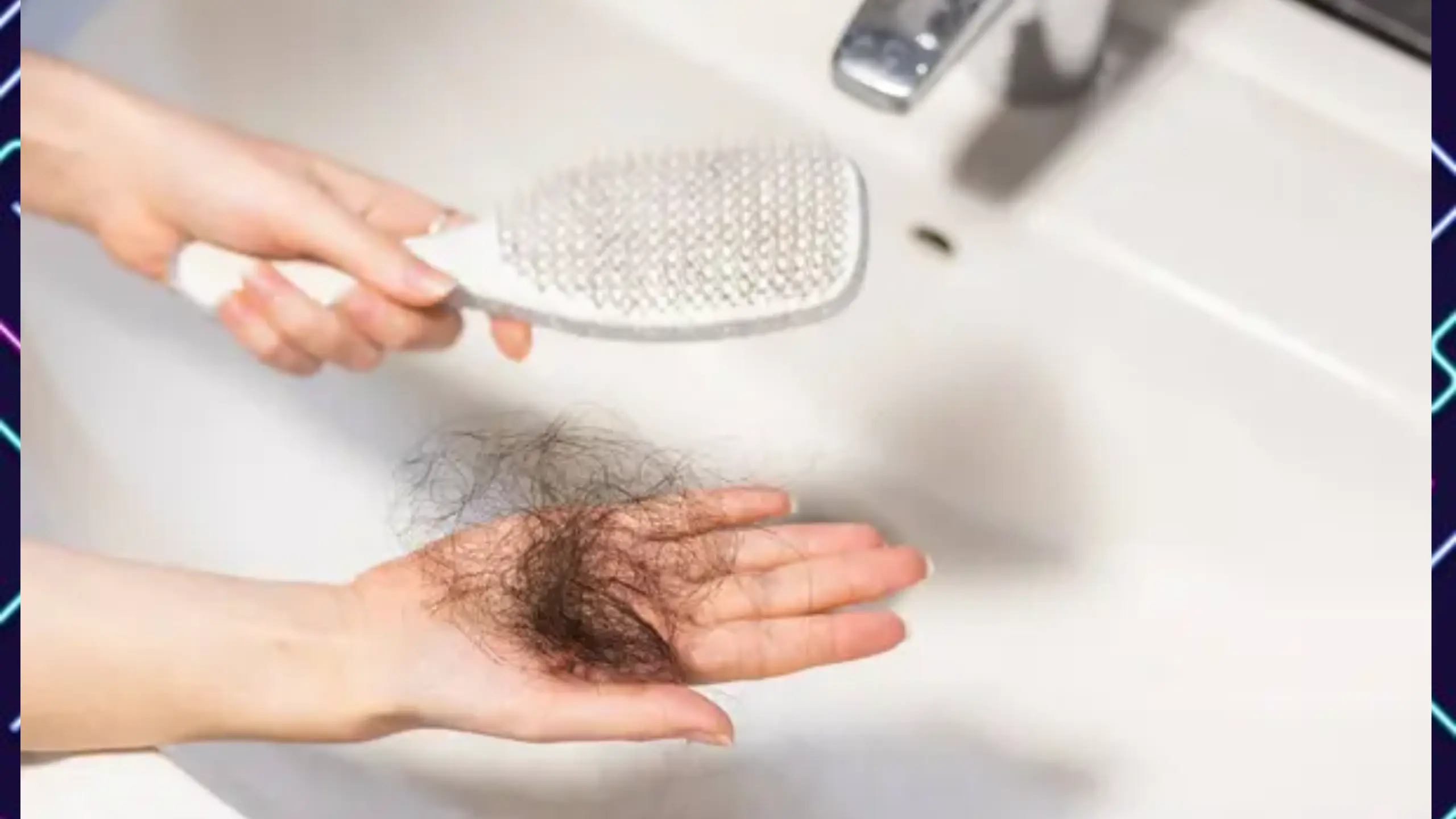
Nothing beats natural and organic methods when it comes to ‘how to prevent or stop hair loss’. Experiencing a hair fall is a widespread issue that affects both men and women of all ages. It can occur for various reasons, including genetic factors, hormonal changes, medical conditions, and certain medications. On average, it is normal for individuals to lose up to 100 hairs daily as part of the hair growth cycle. However, when hair loss becomes excessive and new hair does not grow back, it can lead to a condition known as alopecia, which refers to hair loss in general.According to the Cleveland Clinic, androgenic alopecia, or hereditary hair loss, is the most common type, impacting around 80 million people in the U.S. alone. Hormonal imbalances, such as those experienced during menopause or pregnancy, can also contribute significantly to hair thinning. Additionally, stress, nutritional deficiencies, and certain medical treatments, like chemotherapy, may exacerbate hair loss.

Many individuals seek solutions through modern medicine, traditional remedies, or holistic approaches like Ayurveda. Ayurvedic practices emphasize the importance of a balanced diet and a healthy lifestyle to combat hair loss. They recommend protecting the scalp from sun exposure and washing hair with lukewarm or cold water to maintain scalp health. Oils such as sesame and coconut oil are also suggested for nourishing the scalp and improving blood circulation.

To help prevent excessive hair loss, consider the following tips:

Eat healthy foods

To maintain healthy hair, adopting a nutritious lifestyle is crucial. Focus on consuming adequate protein, essential fatty acids, vitamins, and minerals[1]. Hydration is also vital, so drink plenty of water. Incorporate fresh fruits and vegetables into your diet, as they provide essential nutrients for hair health. Don’t overlook the benefits of nuts and seeds, which are rich in healthy fats and nutrients. Regular exercise is equally important, as it promotes general wellness[2].

Protect Your Hair and Scalp from Heat Damage

Using a blow dryer can expose your hair and scalp to high temperatures, which may lead to significant damage[3]. To minimize this risk, maintain a distance of at least 2 inches between the dryer and your hair. Additionally, allow your hair to air dry partially before using a blow dryer.

Limit the use of styling tools like curling irons and straighteners to reduce hair loss and maintain healthier hair. Frequent exposure to heat from these tools can weaken hair strands and contribute to breakage.

Be intentional while washing your hair

To effectively wash your hair, it’s essential to understand the proper technique to ensure cleanliness and maintain hair health. Shampooing involves more than just applying soap; it’s about how you do it.

Start by taking a small amount of shampoo, about the size of a quarter, and place it in your palm. Instead of applying it directly to your hair, first distribute it evenly on your fingertips. Gently massage the shampoo into your scalp using circular motions. This technique not only helps to remove dirt and oil but also stimulates blood circulation in the scalp, which can strengthen hair roots and potentially reduce hair loss.

After massaging for about 30 seconds, rinse your scalp thoroughly with warm water. As you rinse, the shampoo will naturally cleanse your hair strands as well. If you use a conditioner afterward, remember to apply it only to the lengths and ends of your hair, avoiding the scalp. Conditioner is designed to moisturize and smooth the hair, but applying it to the roots can lead to greasiness and weigh your hair down.

Use natural hair products

When selecting hair products, prioritize natural and organic options to promote healthier hair[4]. Many commercial hair care products contain harmful chemicals that can weaken and damage your hair over time. It is essential to read the ingredient labels carefully and avoid products with parabens and sodium lauryl sulfate (SLS).

Parabens are synthetic preservatives used to extend shelf life, but they can disrupt hormone function in the body[5]. Sodium lauryl sulfate is a detergent that creates lather but can strip away natural oils, leading to dryness and irritation. Instead, opt for products enriched with natural ingredients and essential oils.

Natural ingredients like aloe vera, coconut oil, and shea butter nourish the hair, providing hydration and reducing breakage. Essential oils such as rosemary and lavender not only add fragrance but also promote scalp health and stimulate hair growth. By choosing products with these beneficial components, you can enhance the overall health of your hair and minimize hair loss.

Note: Ignoring damaged hair can lead to serious consequences, including irreversible hair loss. Hair damage can manifest in various forms, including dryness, brittleness, and split ends. These issues often arise from several factors such as heat styling, chemical treatments, and environmental exposure.

Heat styling: Tools like hair dryers, curling irons, and straighteners can cause significant damage. The heat opens the hair cuticle, making it more porous and susceptible to breakage.

Chemical treatments: Processes like bleaching and dyeing can strip hair of its natural moisture, leading to dryness and brittleness. Bleaching, in particular, dissolves the melanin pigment in hair, which can result in a lack of elasticity.

Environmental exposure: Sun exposure, wind, and chlorine from swimming pools can also contribute to hair damage. These elements can dehydrate hair and strip it of essential oils.

Immediate steps to take to stop hair damage

If you notice signs of damage, it is essential to implement a hair care routine that focuses on repair and protection:

  • Use a sulfate-free shampoo and conditioner designed for damaged hair. Look for products containing nourishing ingredients like keratin and biotin, which help strengthen and repair the hair structure.
  • Reduce the use of heat styling tools. If you must style your hair, use a heat protectant spray to minimize damage. Additionally, try to air-dry your hair whenever possible.
  • Incorporate deep conditioning treatments into your routine. These treatments are formulated with concentrated ingredients that penetrate the hair shaft, providing essential moisture and nutrients.
  • Schedule regular haircuts every 6 to 8 weeks to remove split ends. This practice prevents further breakage and keeps your hair looking healthy.
  • Consider wearing protective hairstyles that minimize manipulation and exposure to the elements. This can help retain moisture and reduce stress on the hair.
  • Use natural ingredients like avocado, bananas, or eggs to create nourishing hair masks. These ingredients are rich in vitamins and fatty acids that promote hair health.
Soundhealthandlastingwealth.com offer the most up-to-date information from top experts, new research, and health agencies, but our content is not meant to be a substitute for professional guidance. When it comes to the medication you're taking or any other health questions you have, always consult your healthcare provider directly.
Leave a Reply Cancel reply

Your email address will not be published. Required fields are marked *

You May Also Like
Why PCOS Belly Occurs and 5 Effective Steps to Manage It Naturally
  • Health

Why PCOS Belly Occurs and 5 Effective Steps to Manage It Naturally

Polycystic Ovary Syndrome (PCOS) affects millions of women worldwide, often manifesting in…
  • shalw
  • October 22, 2025
  • Health

What Happens to Your Body When You Eat Berries Every Day

What Happens to Your Body When You Eat Berries Every Day –…
  • shalw
  • November 7, 2023
  • Health

5 Free Weight Exercises for a Leaner Body After 40

5 Free Weight Exercises for a Leaner Body After 40 – Working…
  • shalw
  • June 23, 2023
  • Health

The 30 Healthiest Foods to Eat Every Day

The 30 Healthiest Foods to Eat Every Day – There are so…
  • shalw
  • July 13, 2023
Recent Posts
  • Why Your Waist-to-Height Ratio Matters More Than Your BMI
  • Heart Rate Red Flags Every Woman Should Recognize, According to Doctors
  • Antibiotic-Resistant Super UTIs Are Spreading: Five Ways to Protect Yourself
  • How to Get Rid of Age Spots at Home and Prevent Recurrence
  • How to Reverse MASLD Naturally Through Weight Loss and Diet
  • Louie Anderson Health: What Did He Die From Blood Cancer Or Covid?
  • Is Patrick Christys From GB News Married? Meet Wife Or Partner – Alex Lingwood
  • Control blood pressure without meds: here’s what you should do
  • Lauren Giddings Wikipedia: What Happened And Death Dateline? – Where Is Stephen McDaniel Now?
  • The Only 7 Belly Fat Exercises Worth Doing at the Gym

August 2026
M T W T F S S
 12
3456789
10111213141516
17181920212223
24252627282930
31  
« Jul    
Why Your Waist-to-Height Ratio Matters More Than Your BMI
  • Wellness

Why Your Waist-to-Height Ratio Matters More Than Your BMI

BMI has been the default measure of body composition for decades, but…
  • shalw
  • August 28, 2026
Heart Rate Red Flags Every Woman Should Recognize, According to Doctors
  • Women's Health

Heart Rate Red Flags Every Woman Should Recognize, According to Doctors

A dangerous heart rate is not defined by a single number. It…
  • shalw
  • August 27, 2026
Antibiotic-Resistant Super UTIs Are Spreading: Five Ways to Protect Yourself
  • Wellness

Antibiotic-Resistant Super UTIs Are Spreading: Five Ways to Protect Yourself

Antibiotic resistance in urinary tract infections has reached alarming levels. Research…
  • shalw
  • August 25, 2026
How to Get Rid of Age Spots at Home and Prevent Recurrence
  • Women's Health

How to Get Rid of Age Spots at Home and Prevent Recurrence

Age spots are flat, brown patches caused by decades of UV exposure.…
  • shalw
  • August 24, 2026
Sound health and lasting wealth
  • Editorial Guidelines
  • DMCA Notice
  • Advertise Here
  • Sitemap
  • Contact
pixel