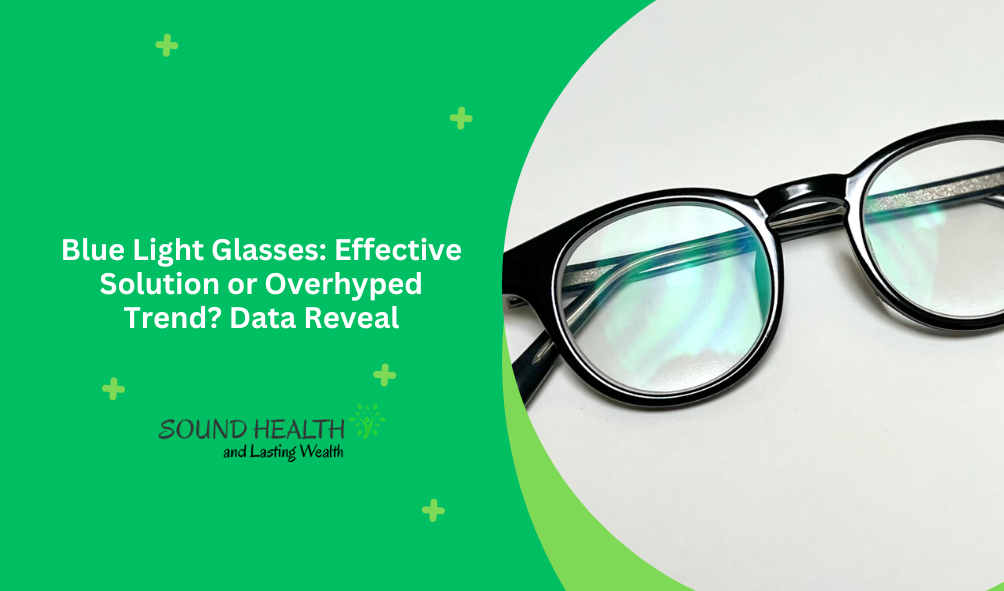
You’ve probably seen them everywhere: sleek frames with amber-tinted lenses, marketed as the ultimate shield against screen fatigue. Blue light glasses promised to be the fix for our digital-age eye problems. But do they actually work, or are they just another overhyped wellness trend? The data tells a nuanced story that future buyers should understand before spending their money.

What Blue Light Glasses Are Designed to Do
Blue light glasses are eyewear with lenses that filter out portions of the visible blue light spectrum (roughly 380–500 nanometers) emitted by digital screens, LED lights, and sunlight. Manufacturers design them to achieve four main goals:
The theory sounds logical: if blue light harms our eyes, blocking it should help. Dr. Craig See from the Cleveland Clinic notes that these glasses “primarily do not function for the purposes they are marketed for” regarding eye strain. However, the mechanism works differently for sleep than for strain.
What the Research Says About Blue Light Glasses Benefits

Digital Eye Strain Gets Little Relief
The strongest evidence comes from a 2023 Cochrane review of 17 randomized controlled trials. Researchers found “probably little or no effect” on visual acuity or digital eye strain from blue-light filtering lenses. A 2021 randomized trial published in the American Journal of Ophthalmology confirmed this: after two hours of computer use, blue-light glasses didn’t prevent or improve eye strain symptoms compared to clear lenses.
Dr. Nicole Bajic, an ophthalmologist at the Cleveland Clinic, states plainly: “Research shows they don’t actually work” for reducing eye strain. The real cause of digital eye strain isn’t blue light, it’s how we use screens. We blink less (averaging 6–8 blinks per minute instead of 15), hold devices too close, and skip the 20-20-20 rule.
Sleep Benefits Have More Support
Where blue light glasses show promise is in sleep improvement. Blue light suppresses melatonin production, the hormone that regulates sleep-wake cycles. A 2021 review in Chronobiology International found that blue-light-blocking glasses reduced sleep latency (time to fall asleep) among people with sleep disorders, jet lag, or inconsistent work schedules.
Athletes exposed to blue light therapy showed better cognitive performance and alertness, suggesting timing matters more than blocking. The key insight: wearing these glasses in the evening (2–3 hours before bed) may help, but wearing them during daytime computer use won’t.
No Evidence for Retinal Protection
A 2022 systematic review found artificial blue light does not significantly impact vision or eye health. The American Academy of Ophthalmology confirms there’s no link between blue light and retinal damage or age-related macular degeneration. This means the long-term protection claim lacks scientific backing.
Potential Side Effects Flagged in the Research
While most studies report no serious adverse effects, some flagged minor, reversible side effects:
-
Headaches – Some users reported mild headaches, likely from wearing spectacles generally rather than the blue-light coating specifically
-
Low mood – A small number of participants described decreased mood, possibly related to altered light perception
-
Visual discomfort – Issues included glare, color distortion, or general discomfort wearing the spectacles
A 2017 systematic review found “a lack of high-quality evidence” supporting blue-light blocking lenses for the general population, noting effects were “mild, infrequent, and temporary”. These side effects occurred similarly with non-blue-light filtering lenses, suggesting they stem from wearing glasses rather than the coating itself.
Why Product Claims Vary So Much from Pair to Pair

No Standardized Filtering Requirements
The biggest reason for inconsistent claims is the lack of regulatory standards. One brand might block 10% of blue light while another blocks 90%, yet both market themselves as “blue light blockers.” Factors creating this variation include:
-
Lens tint differences – Amber lenses block more blue light than clear ones with coatings
-
Filtering technology – Some use physical tinting, others use chemical coatings that wear off
-
Claim stacking – Brands combine four different claims (strain, sleep, headaches, retinal protection) even though evidence varies for each
-
Marketing exaggeration – Some products promise “100% blue light protection” without laboratory verification
Dr. Ronald Ben from the American Optometric Association describes existing research as “contradictory and inconclusive,” leaving room for companies to make unsupported claims. A 2026 evidence review emphasizes that claims differ significantly by brand, with most promising a combination of benefits that aren’t equally supported.
The 2026 Reality Check
The 2026 evidence tells a measured story: blue-light filtering glasses produce minimal benefit for short-term eye strain but have more support for evening screen-use sleep improvement. University of Melbourne research confirmed blue light from digital screens does not cause eye strain, making blue-blockers ineffective for that purpose.
What to Look for When Buying
Before purchasing, check:
-
Blue light blocking percentage – Reputable brands state this (e.g., “blocks 40% of 380–450nm blue light”)
-
Lens certification – Look for ISO or FDA markings
-
Tint color – Amber/yellow for evening use; clear/light amber for daytime
-
Return policy – Ensure you can return if uncomfortable
A Practical Alternative
Instead of buying glasses, try these proven strategies:
-
Follow the 20-20-20 rule (every 20 minutes, look 20 feet away for 20 seconds)
-
Increase screen distance to 20–28 inches
-
Use artificial lighting to reduce screen glare
-
Enable “Night Shift” on devices after sunset
-
Blink consciously every few seconds
The Bottom Line for Future Buyers
Blue light glasses are not overhyped for sleep improvement, but definitely overhyped for eye strain. The data indicate they work best when worn 2–3 hours before bed by people with sleep disorders or irregular schedules. For daytime computer use, they offer little benefit over regular clear lenses.
Before buying, ask yourself: Am I trying to sleep better, or am I just tired from staring at screens? If it’s the latter, you’ll save money by adjusting your habits instead. If it’s the former, a $20–$40 pair worn in the evening might genuinely help.
The market is flooded with inconsistent claims, so prioritize brands that specify their filtering percentage and avoid those promising “100% protection” or “retinal cure.” Your eyes need blinking breaks and proper lighting more than they need amber lenses during work hours.
Also Read | Vitamin D Deficiency Symptoms: Why You Can’t Lose Weight