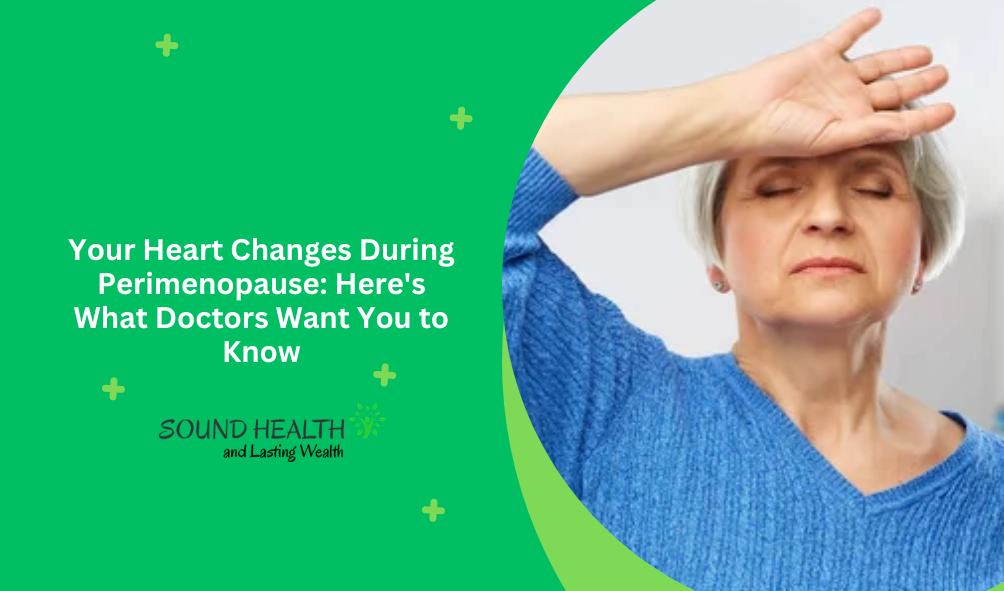

Most women expect perimenopause to bring hot flashes, mood swings, and unpredictable periods. Few expect it to change their heart health. Yet research increasingly shows that the years leading up to menopause are a pivotal window for cardiovascular risk, one that often gets overlooked in routine checkups.
Heart disease remains the leading cause of death for women in the United States, and the hormonal shifts of perimenopause play a direct role in that statistic. The good news: this stage of life is also an opportunity. With the right information and a few targeted habits, women can use perimenopause as a checkpoint to protect their hearts for decades to come.
Below, two physicians who specialize in this exact intersection of women’s health and cardiology break down what’s happening in the body, why it matters, and what to do about it.

What Is Perimenopause? A Gynecologist Explains the Basics
Before addressing heart health, it helps to understand what perimenopause actually is. According to Ebony Nicole Parson, MD, co-owner of Femelle Gynecology and Wellness, perimenopause is the transitional stage leading up to menopause, when the ovaries gradually produce less estrogen and progesterone. This phase can begin as early as the mid-30s for some women, though it more commonly starts in the 40s, and it can last anywhere from a few years to a decade before periods stop altogether.
Dr. Parson notes that perimenopause is not a single event but a gradual biological shift, and one that looks different for every woman. Some notice irregular cycles and sleep disruption early on. Others experience little more than subtle mood changes until periods become noticeably erratic. What ties these experiences together is the underlying hormonal fluctuation driving them, not a fixed set of symptoms.
Common signs associated with this transition include:
- Irregular or unpredictable menstrual cycles
- Hot flashes and night sweats
- Sleep disturbances
- Mood changes, including increased anxiety or irritability
- Vaginal dryness and changes in libido
- Difficulty concentrating, sometimes described as “brain fog”
Because perimenopause unfolds gradually, many women don’t recognize it as a distinct life stage until they’re well into it. That delayed recognition matters, because the same hormonal shifts responsible for these symptoms are also quietly reshaping cardiovascular risk in the background.
How Perimenopause Impacts Heart Health
Estrogen does far more than regulate the reproductive cycle. It also helps keep blood vessels flexible, supports healthy cholesterol levels, and plays a role in how the body manages inflammation and blood pressure. As estrogen levels fluctuate and eventually decline during perimenopause, several of these protective effects begin to fade.
This is not a minor footnote in women’s health. Cardiovascular disease is the leading cause of death for women in the U.S., and research has shown that a woman’s risk accelerates notably around the menopause transition, independent of age alone. The years surrounding perimenopause are associated with measurable changes in LDL (“bad”) cholesterol, blood pressure, and body fat distribution, all of which contribute to cardiovascular strain.
Hormone Shifts Play a Key Role in Heart Health
Kardie Tobb, DO, MS, FASPC, FACC, a board-certified preventive cardiologist and the medical director for the Cone Health HeartCare Women’s Heart Health and Cardio-Obstetrics Clinic, points to estrogen’s cardioprotective role as central to this shift. As estrogen declines, blood vessels can become stiffer and less responsive, cholesterol profiles tend to shift toward higher LDL and lower HDL, and abdominal fat accumulation often increases, a pattern linked to greater cardiometabolic risk.
Dr. Tobb also emphasizes that these changes rarely happen in isolation. Many women enter perimenopause already carrying risk factors such as elevated blood pressure, prediabetes, or a family history of heart disease, and the hormonal transition can amplify those existing vulnerabilities rather than create risk from nothing. This is part of why cardiologists increasingly view perimenopause as a distinct risk window, not simply an extension of “getting older.”
It’s worth noting that the relationship between hormones and heart health is not fully linear. Some cardiovascular changes begin subtly years before periods stop, while others accelerate more sharply after the final menstrual period. That variability is one reason specialists recommend paying attention to cardiovascular markers throughout the transition, rather than waiting for menopause to be confirmed before taking action.
Why We Should Take Perimenopause Seriously
It’s tempting to file perimenopause under “normal aging” and assume the cardiovascular changes it brings are unavoidable. That assumption can be costly. Women’s heart disease has historically been underdiagnosed and undertreated, partly because symptoms can present differently than the classic chest-clutching heart attack often depicted in medical education, and partly because cardiovascular risk assessment hasn’t always accounted for the menopause transition as a distinct factor.
Consider the numbers: cardiovascular disease causes roughly one in five deaths among women in the United States. Women who go through early menopause, whether naturally or due to surgery, face an even higher lifetime risk of heart disease compared to those who transition later. These aren’t abstract statistics; they translate to real, preventable outcomes for millions of women navigating this stage largely unaware of the stakes.
There’s also a communication gap to address. Many women bring up hot flashes or irregular periods to their doctor but never connect those symptoms to a broader cardiovascular conversation. And many primary care visits during this life stage focus on symptom management rather than proactive heart screening. Taking perimenopause seriously means treating it as a legitimate checkpoint for cardiovascular assessment, not just a hormonal inconvenience to be managed until it passes.
The encouraging part of this picture is that awareness changes outcomes. Women who understand the connection between hormonal transition and heart risk are more likely to ask their providers the right questions, request appropriate screenings, and make lifestyle adjustments before problems develop rather than after.
How to Support Your Heart During Perimenopause
The physicians agree that perimenopause doesn’t have to mean an inevitable decline in heart health. Several evidence-backed strategies can meaningfully offset the cardiovascular changes happening during this transition.
1. Get Your Numbers Checked Regularly
Blood pressure, cholesterol, blood sugar, and body weight should all be monitored more closely starting in the perimenopausal years, even for women who have historically had normal results. Because these markers can shift gradually, annual checkups that once felt like a formality become genuinely important. Ask your provider specifically about a lipid panel and blood pressure trends over time, not just a single reading.
2. Prioritize Strength Training and Cardiovascular Exercise
Regular physical activity helps counteract the metabolic shifts associated with declining estrogen, including changes in fat distribution and insulin sensitivity. A combination of aerobic exercise and resistance training is particularly effective, since strength training helps preserve muscle mass and metabolic rate, both of which tend to decline during this life stage. Most guidelines suggest at least 150 minutes of moderate aerobic activity per week, paired with two or more strength sessions.
3. Rethink Nutrition With Heart Health in Mind
As metabolism shifts, the same diet that worked in a woman’s 30s may no longer serve her cardiovascular needs in her 40s and beyond. Emphasizing fiber, lean protein, healthy fats, and reducing added sugar and sodium can help manage cholesterol and blood pressure. Some women also find it useful to pay closer attention to portion sizes as basal metabolic rate declines, without resorting to restrictive dieting that can add stress to an already fluctuating hormonal system.
4. Manage Stress and Prioritize Sleep
Chronic stress and poor sleep both contribute to elevated blood pressure and inflammation, compounding the cardiovascular effects of hormonal change. Perimenopause itself can disrupt sleep through night sweats and anxiety, creating a cycle that’s worth addressing directly, whether through better sleep hygiene, cognitive behavioral techniques, or, when appropriate, a conversation with a provider about treatment options.
Additional habits worth folding in include:
- Limiting alcohol intake, which can worsen hot flashes and affect blood pressure
- Avoiding tobacco products, since smoking compounds cardiovascular risk substantially during this transition
- Discussing hormone therapy with a qualified provider, since for some women it may offer benefits beyond symptom relief, depending on individual risk factors
- Building a care team that includes both a gynecologist and, where appropriate, a cardiologist familiar with women’s heart health
None of these strategies requires perfection. Small, consistent changes tend to compound over the several years that perimenopause typically spans, making this a realistic window for meaningful prevention rather than a narrow window that’s easy to miss.
The Bottom Line on Perimenopause and Heart Health
Perimenopause is often framed around symptom management, but it deserves to be understood as a cardiovascular turning point as well. The hormonal shifts driving hot flashes and irregular cycles are the same shifts that influence cholesterol, blood pressure, and long-term heart disease risk. Recognizing that connection early gives women a genuine advantage: the chance to adjust habits, request the right screenings, and build a relationship with providers who take this life stage seriously.
Heart disease remains the top cause of death for women, but it’s also largely preventable when risk factors are caught and managed early. Perimenopause, rather than being just another symptom to endure, can become the moment a woman takes the reins on her long-term cardiovascular health. Talking with both a gynecologist and a cardiologist during this transition isn’t excessive caution; it’s a practical step toward a longer, healthier life.
Also Read | I Survived a Thunderclap Headache: Symptoms Every Woman Must Know